When purchasing in-shell oysters for the first time, it can be overwhelming to know how to handle the shells. You may wonder how thoroughly to wash off external debris, how to store leftovers, or how many minutes to cook them when steaming.
Cleaning oysters begins with inspecting the shell condition and removing foreign substances. While ‘Gak-gul’ and ‘Seok-hwa’ generally refer to oysters with both shells attached, half-shell oysters have one shell removed, leading to differences in handling.
Understanding everything from cleaning methods based on shell type to storage conditions and criteria for ensuring they are fully cooked will assist you in preparation.
Differences Between In-shell, Seok-hwa, and Half-shell Oysters Before Cleaning
Differences Between Gak-gul and Seok-hwa and Product Naming
Both ‘Gak-gul’ and ‘Seok-hwa’ refer to oysters with shells attached. The names vary by region, but there is no difference in species or quality.
In contrast, ‘Al-gul’ refers to shucked oyster meat, which differs from in-shell oysters in product form and handling methods.
Forms of Half-shell Oysters and Half-shell Products
A half-shell oyster is one where one side of the shell has been removed, leaving the meat on the other side. Being a half-shell product does not automatically certify it for raw consumption; you must verify the intended use and handling instructions indicated on the packaging.
| Category | Product Form | Handling and Preparation Checkpoints |
| In-shell Oysters (Gak-gul/Seok-hwa) | Oysters with both shells attached | Clean exterior of shell; verify usage and storage labels |
| Half-shell Oysters | Oysters with one shell removed | Verify suitability for raw consumption and specific storage instructions |
| Shucked Oysters (Al-gul) | Oyster meat with shells removed | Verify handling instructions based on packaging and processing state |
Oyster Preparation and Shell Cleaning Methods
Verifying Product Condition Before Handling In-shell Oysters
Prior to handling, verify the integrity of the packaging, refrigeration/freezing labels, expiration date, and whether the product is for raw consumption or heat processing. Products with severely broken shells or questionable storage conditions should not be used for safety reasons. Microbial contamination cannot be determined solely by appearance or smell.
Cleaning Oysters and Removing Shell Debris
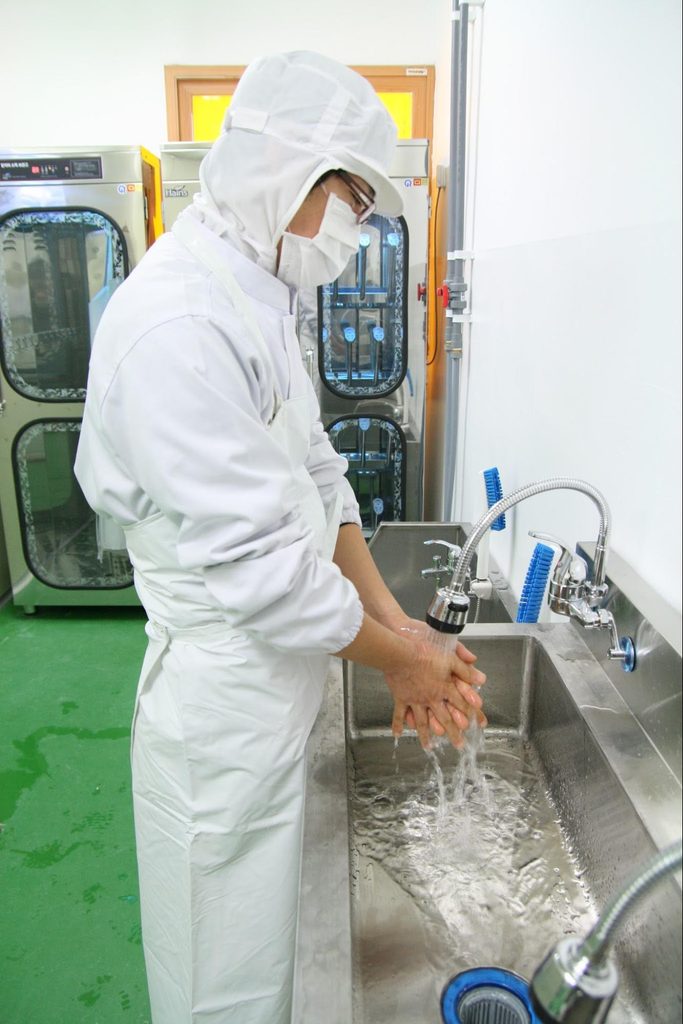
Wear gloves to protect your hands and lightly rinse the oysters under running water. Use a clean brush to scrub away mud or attachments on the exterior of the shell, then rinse again. Be careful not to injure your hands as shell edges are sharp. Wash tools and surfaces used for cleaning oysters before they touch other ingredients to prevent cross-contamination.
Cleaning is a process to remove external debris. Rinsing with water or soaking for long periods does not eliminate the risk of food poisoning, such as Norovirus. Oysters intended for heat processing must be cooked thoroughly.
Refrigeration and Freezing Standards After Cleaning Oysters
Oyster Storage Methods and Product Labeling
If cleaned oysters are not cooked immediately, maintain the refrigeration or freezing conditions present at the time of purchase and check the expiration date on the package. Storage conditions for in-shell oysters and shucked/processed oysters may not be identical. Do not arbitrarily apply unverified storage durations.
Storage Differences Between Half-shell and Frozen Products
Half-shell oysters must be handled to ensure the exposed meat does not contact other ingredients or tools. Frozen products should be thawed according to the method guided on the packaging, ensuring thawing liquid is separated from other foods. The mere fact that a product was frozen does not make it suitable for raw consumption.
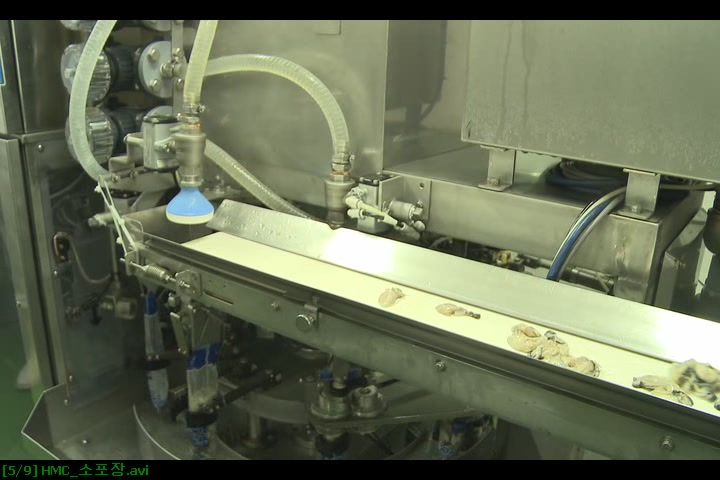
Steaming Sequence and Heating Standards After Cleaning
Preparation Before Steaming Oysters
Prepare a steamer, tongs, and gloves. Place cleaned oysters in the steamer according to its size so that steam reaches them evenly; do not stack them excessively.
How to Steam Oysters and Step-by-Step Cooking Sequence
① Add water to the steamer and heat until sufficient steam rises.
② Arrange the cleaned oysters in the steamer and close the lid.
③ Continue heating to maintain steam and check the cooking progress.
④ Remove cooked oysters with tongs, being careful of residual heat in the shells and hot liquid.
Steaming Time and Sufficient Heating Criteria
Steaming time may vary depending on the size and quantity of the oysters and the heat intensity of the steamer. The U.S. Centers for Disease Control and Prevention (CDC) recommends heating shell-on shellfish in a steamer for 4–9 minutes after steam rises and discarding any that do not open after cooking.
Furthermore, Food Safety Korea advises heating shellfish like oysters to a core temperature of 85°C for at least 1 minute to prevent Norovirus. This is based on the internal temperature of the oyster, not the time spent in the steamer.
Samsam Mulsan Oyster Products by Preparation and Form
Product Forms of In-shell and Half-shell Oysters
Samsam Mulsan introduces in-shell and half-shell oysters according to their product form. Specific standards and actual handling conditions for each product can be verified in the official product information.
Distinction Between Fresh, Triploid, and Frozen Oysters
‘Fresh Oysters’ is a product name where both the presence of shells and the processing state must be examined. ‘Triploid Oysters’ is a classification related to production characteristics; the name itself does not certify raw consumption safety or quality superiority. Frozen oysters are distinguished by whether they have undergone freezing.
Differences Between IQF Shucked Oysters, Blanched Frozen Oysters, and Oysters Rockefeller
IQF shucked oysters are fresh oysters with shells removed that are individually quick-frozen. Samsam Mulsan’s blanched frozen oysters are classified as shucked oysters that have been cooked before freezing. Oysters Rockefeller is a separately cooked and processed product, differing in processing method from standard half-shell oysters.
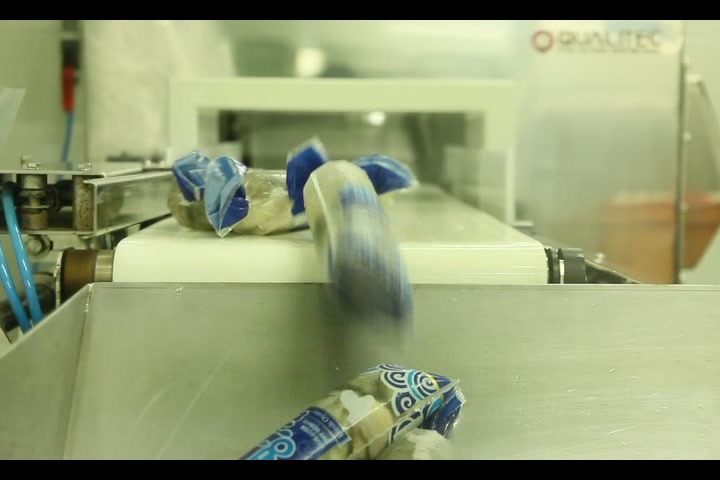
The forms of oysters and processed products handled by Samsam Mulsan can be verified in the Oyster Product Introduction on the official website.
Frequently Asked Questions Regarding Oyster Cleaning, Storage, and Steaming
Can I eat oysters raw if I wash them?
No. Cleaning the shell is separate from raw consumption safety. You must verify the ‘for raw consumption’ label and storage status; if they are for heat processing, they must be cooked thoroughly.
Is it okay to soak oysters in water for a long time?
Rather than long-term soaking, follow the method of removing external debris from the shell using running water and a brush.
Are oysters with broken shells okay to cook?
It is recommended not to use products where the shell is severely damaged or the meat is exposed. Heat processing does not resolve issues arising from improper storage conditions.
What should I do if the shell does not open after steaming?
The CDC recommends discarding shellfish that do not open after steaming. Do not force them open to eat.
How do I store leftover steamed oysters?
Do not leave cooked steamed oysters at room temperature for long; place them in a clean container and refrigerate promptly. Reheat thoroughly before eating, and do not consume if the storage condition is uncertain.
References
Samsam Mulsan, Official Website
Samsam Mulsan, Oyster Product Introduction
Food Safety Korea, Norovirus Food Poisoning Information (Shellfish core temperature 85°C for 1+ min)
U.S. CDC, Preventing Vibrio Infection