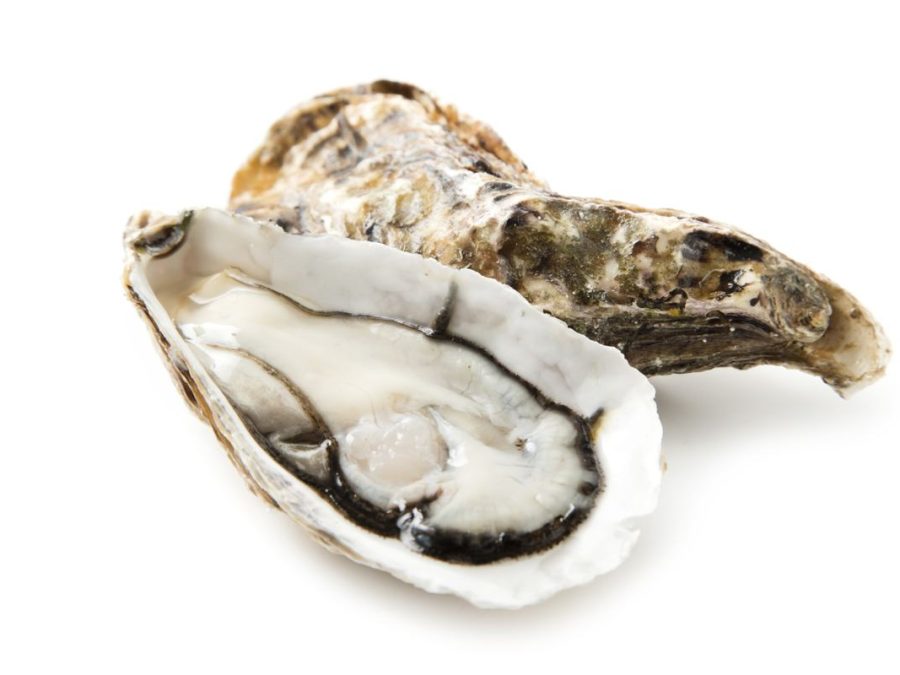
Oysters are known as a seafood that is in season from fall to winter. So, is it better to avoid eating oysters in the summer? It is important to distinguish and verify both the peak season and the conditions for safe consumption.
In summer, the risk of Vibrio bacteria associated with rising water temperatures must be considered. Frozen oysters are not guaranteed to be safe for raw consumption simply because they have been frozen. It is essential to check product labeling, storage conditions, and cooking methods.
First, we will examine oyster season and precautions for summer consumption, then explain the differences between fresh and frozen oysters and their uses.
Oyster Season and Seasonal Characteristics
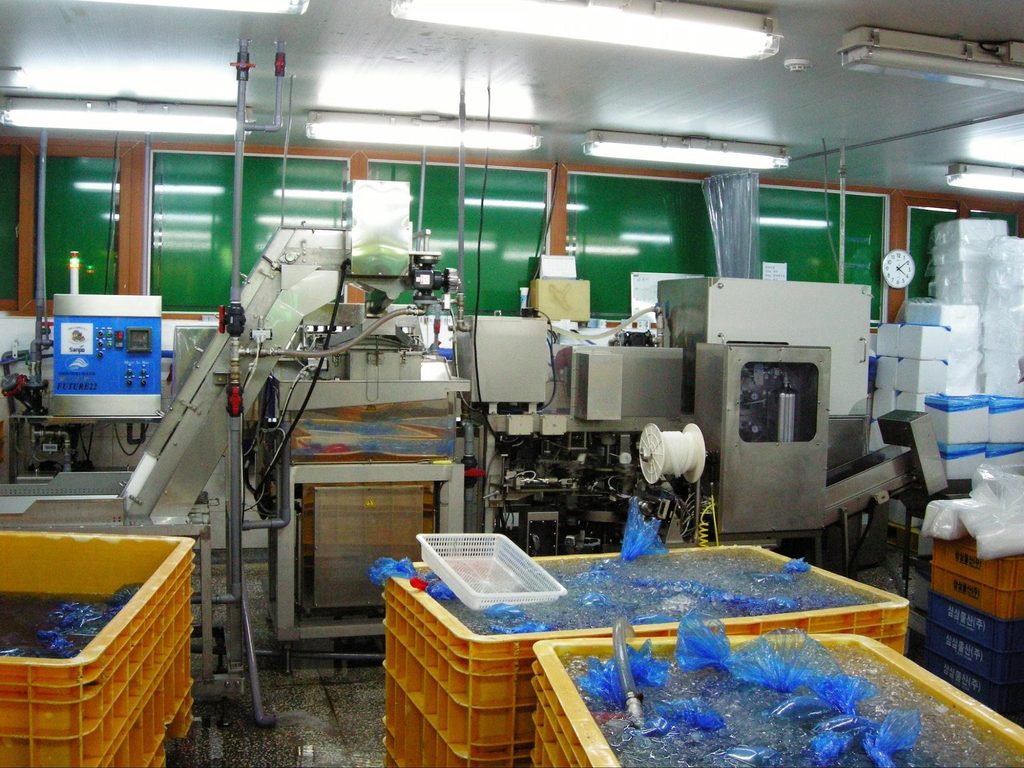
Domestic Oyster Season and Production Characteristics
The Pacific oyster, primarily consumed in Korea, begins to be harvested in the fall and reaches its peak season in winter. Generally, from November to April of the following year is an active period for oyster production and consumption, with fresh oysters being particularly sought after during kimchi-making season and winter.
Conversely, summer is the spawning season for Pacific oysters, during which their taste and texture may be inferior compared to peak season. This is because energy stored in their bodies is used for reproductive activities during preparation for and actual spawning, and after spawning, the plumpness of fresh oysters can decrease. This can lead to quality changes such as less full oyster meat and a softer texture.
Fresh Oyster Season and Safe Consumption Standards
Just because oysters are in season does not necessarily mean they can be eaten raw. Even in winter, there is a risk of norovirus infection, so when purchasing fresh oysters, it is important to check the product’s intended use label.
Packaged oysters are categorized as either for raw consumption or for cooking. Those for raw consumption are managed to be safe for eating raw, while oysters for cooking must be cooked, even if purchased during peak season.
Oyster Season and Precautions for Summer Consumption
Summer Oyster Consumption and Vibrio Bacteria Risk
Vibrio vulnificus infection primarily occurs between May and October and requires particular caution in summer when water temperatures are high. Infection can occur by eating contaminated seafood raw or insufficiently cooked, or by exposing broken skin to contaminated seawater.
Oysters are also among the seafood that requires caution regarding Vibrio infection. In summer, it is crucial to store oysters below 5℃ and cook them thoroughly before consumption. Individuals with underlying conditions such as liver disease or diabetes are at higher risk of severe progression if infected with Vibrio vulnificus, requiring even greater caution.
Characteristics and Prevention of Oyster Norovirus
Unlike Vibrio bacteria, norovirus is a virus and can cause infection through uncooked seafood like oysters even in winter. Freezing alone does not completely eliminate the virus.
Standards to Check for Oyster Storage and Cooking
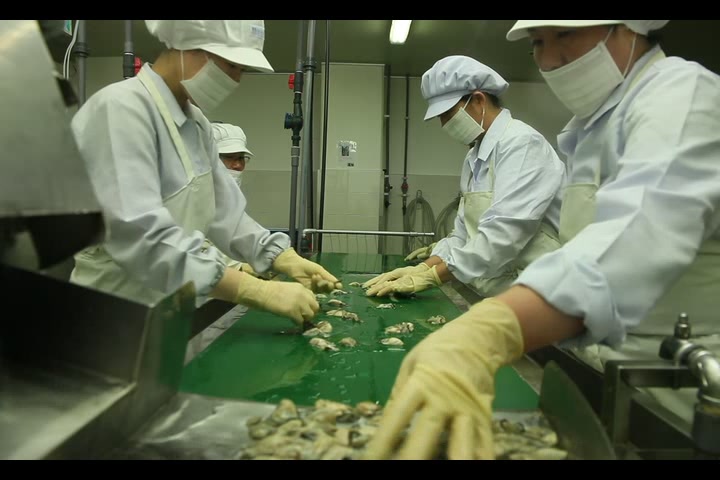
Fresh oysters should be refrigerated immediately after purchase, and the storage temperature and expiration date indicated on the product should be checked. When preparing oysters, use separate cutting boards and utensils to avoid cross-contamination with other ingredients, and thoroughly clean all used tools after preparation.
The Ministry of Food and Drug Safety advises heating oysters intended for cooking to an internal temperature of 85℃ or higher for at least one minute. The internal temperature of the oyster, not just the surface, should be the standard.
Oyster Season and How to Use Fresh and Frozen Oysters
Fresh and frozen oysters differ not only in product form but also in storage methods and pre-cooking checks. The main differences are summarized as follows:

Comparison of Fresh and Frozen Oyster Product Forms
| Category | Fresh Oysters | Frozen Oysters |
| Product Form | Shucked oysters distributed refrigerated | Processed frozen oysters |
| Storage Method | Refrigerated storage according to labeling standards | Frozen storage according to labeling standards |
| Post-Purchase Handling | Refrigerate immediately and consume quickly | Maintain frozen state until just before cooking |
| Pre-Cooking Check | Distinction between raw consumption and cooking use | Cooking use and thawing method per product |
Individually quick-frozen products are convenient for using only the necessary amount. For block-frozen or blanched frozen oysters, handling methods vary by product type, so check the packaging label.

Precautions for Thawing and Storing Frozen Oysters
Frozen oysters can be thawed slowly in the refrigerator or by submerging them in cold water while sealed. If thawed in a microwave, they must be cooked immediately, and care should be taken not to leave them at room temperature for extended periods.
Cooking with Frozen Oysters and Heated Preparations
Frozen oysters can be used in cooked dishes such as oyster soup, oyster rice, or oyster pancakes. However, be careful not to assume they are thoroughly cooked inside just because the broth is boiling or the oyster pancake is golden brown.
Oyster Season and Samsam Moolsan’s Frozen Oyster Processing Methods
Samsam Moolsan processes raw oysters sourced from Tongyeong to produce IQF shucked oysters and blanched frozen oysters. Both are frozen oyster products, but they differ based on whether heat is applied during processing.
IQF Shucked Oysters: Individual Quick Freezing Process
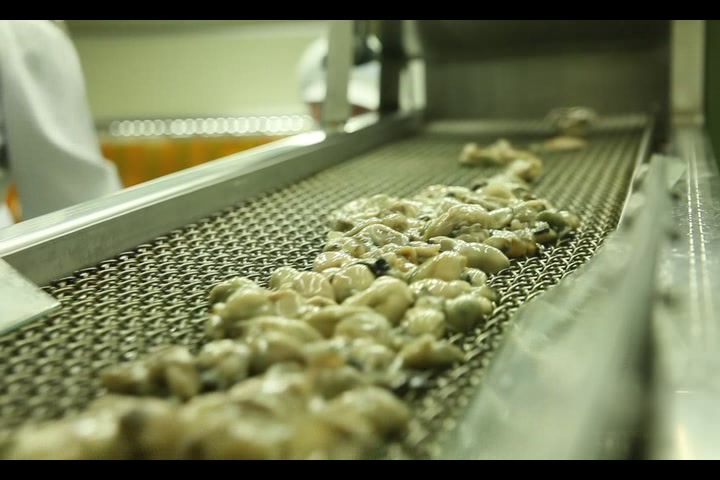
IQF (Individually Quick Frozen) shucked oysters are fresh oysters, removed from their shells, and rapidly frozen one by one. After shucking, the oysters are individually frozen on a belt freezer at -35℃ or below, preventing them from sticking together, which makes it convenient to use only the desired quantity.
The rapidly frozen oyster surfaces undergo a glazing process, where a thin layer of ice is applied. This ice layer helps reduce dehydration caused by direct contact with air during frozen storage.

Blanched Frozen Oysters: Blanching and Freezing Process
Blanched frozen oysters are products that have been cooked and then frozen. There are methods of blanching them in the shell and blanching shucked oysters.
Samsam Moolsan’s blanched frozen oysters are processed by blanching shucked oysters. This differs in raw material state and process from products blanched in the shell.
Shucked oysters pass through a blanching belt line with water at 100℃ before being frozen. Here, 100℃ refers to the water temperature used for blanching and does not indicate the oyster’s internal temperature or whether it is ready for immediate consumption.

Oyster Season: Frequently Asked Questions
Is it true that oysters should not be eaten in months without the letter ‘R’?
There is a common saying that oysters should be avoided in months without the letter ‘R’ in their English names (May-August). However, the suitability of oyster consumption cannot be determined solely by the month’s name. Regardless of the season, it is crucial to check the oyster’s storage conditions and cooking method.
Can oysters be eaten in summer?
Oysters can be eaten in summer, but it is essential to check if they are for raw consumption and their storage condition, and to thoroughly cook products intended for cooking. High-risk groups for Vibrio vulnificus infection, such as those with liver disease or compromised immunity, should avoid raw or undercooked seafood.
Is it safe to eat raw oysters if served with gochujang (spicy Korean chili paste) or lemon juice?
Adding gochujang or lemon juice does not eliminate Vibrio bacteria or norovirus present in oysters. The use of condiments should be distinguished from cooking for food poisoning prevention.
How many days after purchase should fresh oysters be eaten?
Fresh oysters should be consumed as soon as possible after purchase. Since each product may have different expiration dates and storage conditions, always prioritize checking the information on the packaging.
How do I check for freshness when buying oysters?
When purchasing oysters, it is best to check that the meat is not excessively mushy or discolored. However, it is difficult to accurately assess freshness and food safety based solely on appearance or smell, so the packaging condition and whether they were refrigerated during distribution should also be checked.
Do all Tongyeong oysters go through the Oyster Suspension Culture Fisheries Cooperative auction?
It cannot be assumed that all Tongyeong oysters are distributed through the same channel. The Oyster Suspension Culture Fisheries Cooperative’s wholesale market auction is a local auction where fresh Tongyeong oysters are traded. Oysters successfully bid on here are supplied through intermediate wholesalers and processing companies, tailored to the product form.
References
Ministry of Oceans and Fisheries, Guidance on Oyster Production and Consumption Periods
Korea Disease Control and Prevention Agency, Guidance on Vibrio Vulnificus Infection Routes and Prevention
Republic of Korea Policy Briefing, Heating Standards for Oysters Intended for Cooking and Norovirus Prevention Guidance
Samsam Magazine, How to Choose Frozen Oysters: Differences Between IQF, Block-Frozen, and Blanched Oysters, and Selection Criteria by Use