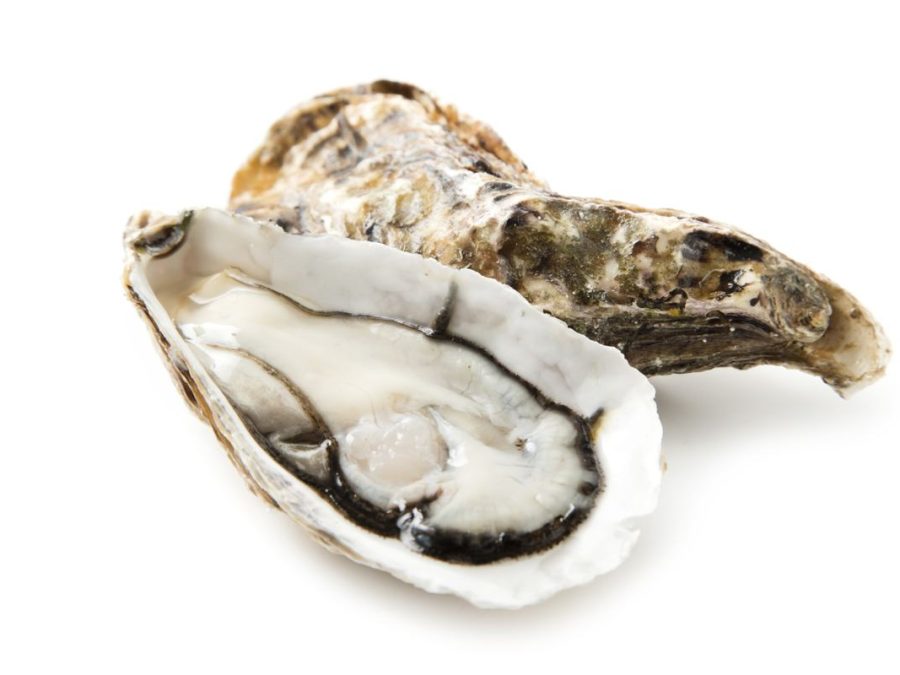
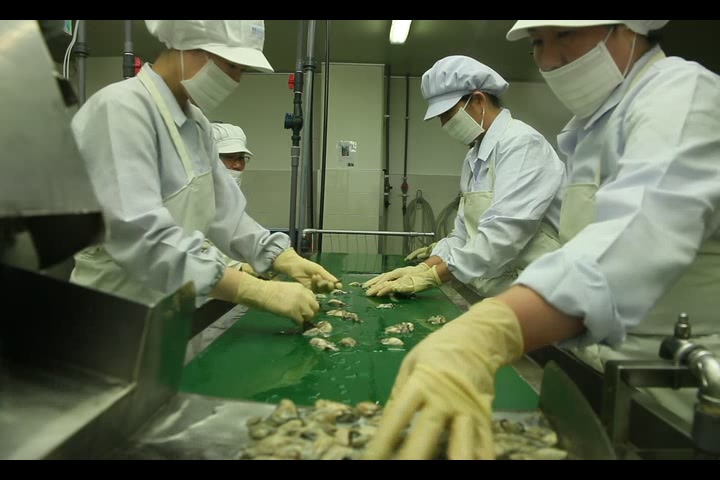
What should you prepare first to inquire about product production with a seafood OEM company? You may wonder if providing just the product type and desired quantity is enough, or if you need to produce samples first.
Even for products using the same raw materials, such as oysters or frozen seafood, the production process varies depending on the shucking status, processing method, weight, and packaging type. Therefore, the starting point is to define the desired product form and find a supplier capable of performing those specific processes.
We have outlined the step-by-step process for preparing seafood OEM/PB production, from supplier selection criteria to product requests, sampling, finalizing specifications and quotes, and initial production.

Differences Between Seafood OEM and PB Production Methods
OEM is a method of outsourcing production to an external manufacturer, while PB (Private Brand) refers to products planned and sold by a distributor or retailer under their own brand. PB products can also be produced via the OEM method.
Roles of Brands and Manufacturers in OEM/PB Production
The brand operator plans the product concept, selling price, and distribution channels, while the manufacturer produces according to agreed-upon specifications. This is distinct from ODM, where product development is also outsourced; specific responsibilities for raw material procurement, packaging preparation, and quality inspection must be defined by contract.
Processes Varying by Product Form in Seafood OEM
IQF shucked oysters, which are individually quick-frozen after shucking, and steamed-frozen oysters, which are frozen after cooking the meat, require different processes. Equipment and work methods also vary depending on whether the packaging is small-scale for retail or bulk for food service; therefore, you must verify the range of processing and packaging capabilities in addition to the items handled.
Selecting a Seafood OEM Supplier and Verifying Manufacturing Capabilities
When selecting a supplier, first confirm whether they handle the specific seafood you intend to request. Check if they have the necessary washing, sorting, steaming, and freezing equipment, as well as packaging and storage facilities, and consult separately on whether they can actually produce the specific product.
Samsam Mulsan began its business in Tongyeong in 1976, handling various seafood products centered on oysters, and performs raw material procurement, sorting, seawater washing/sterilization, steaming, IQF, packaging, and domestic distribution. We operate Plant 1 and Plant 2 in Yongnam-myeon, Tongyeong-si.
Major equipment includes a 4-stage washing line, a 100°C steaming belt line, a belt freezer operating below -35°C, glazing equipment, and automated systems for small-scale, tray, thermoforming vacuum, and weighed packaging. Plant 2 is also equipped with -60°C ultra-low temperature quick-freezing facilities for processed foods.
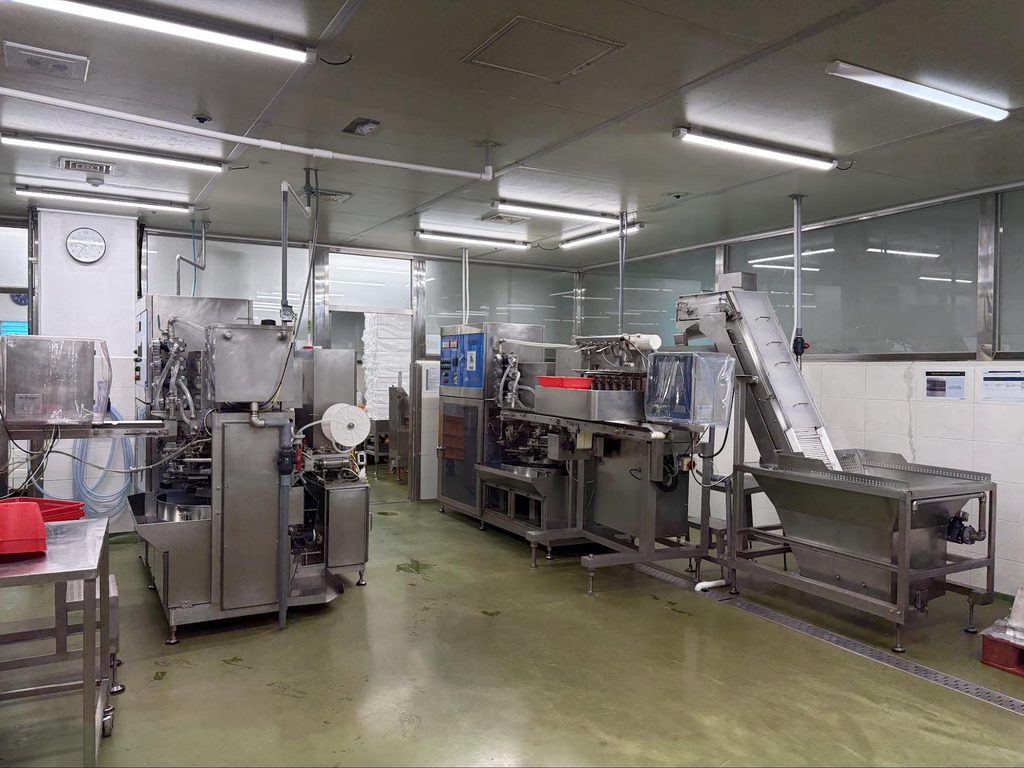
Processing Stages from Seawater Washing to Steaming and IQF
Samsam Mulsan cools intake seawater for use in the washing line. In the steaming process, heating times are managed according to product type and size, and in the IQF line, products are glazed after individual quick-freezing. Quick-freezing facilities are also utilized in the manufacturing of processed foods such as Oysters Rockefeller and oyster gratin.
Samsam Food handles culinary R&D, processed food planning/development, and domestic distribution, while Samsam Mulsan is responsible for the actual manufacturing of processed oyster products. SS Global manages international trade and exports.
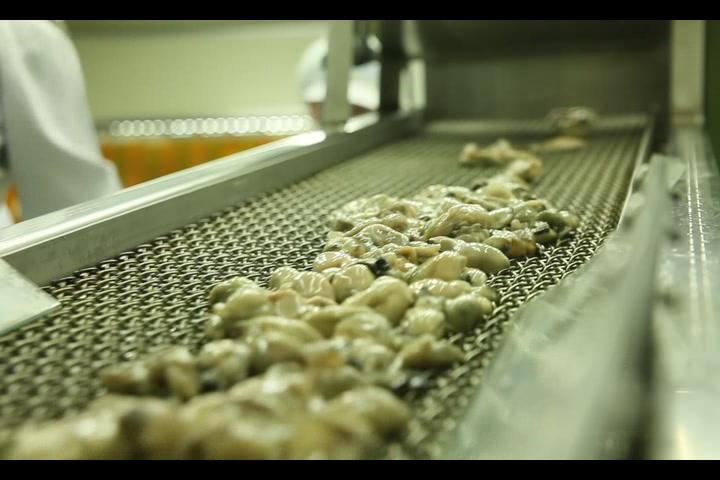
When reviewing manufacturing facilities, you must verify not only the certifications held but also whether the requested product falls within the scope of those certifications. In the case of Samsam Mulsan, FSSC 22000 is registered for the manufacture of frozen and processed seafood at Plant 1, and HACCP is certified for frozen fish and mollusk items.
Materials to Prepare Before Requesting Seafood OEM
Basic Information to Include in a Product Request
Organize the product name, type of raw material, raw material state (fresh, shucked, cleaned, steamed, frozen), processing method, size per piece, net content, packaging unit, sales purpose, expected initial order quantity, desired launch date, and reference product photos. Requests like ‘I want to produce shucked oyster meat frozen via IQF for retail packaging’ are more helpful for reviewing manufacturing processes than simply saying ‘I want to produce frozen oysters.’
Raw Material Size and Processing State are Also Subjects for Negotiation
Even with the same raw material, the appearance, texture, and weight vary depending on size, cleaning, and whether it is heated. The origin of raw materials, procurement timing, allowable size deviation, the party responsible for procurement, and incoming inspection standards must also be negotiated. Particularly for seasonal seafood, the launch schedule and raw material acquisition plan should be reviewed together.
Seafood OEM Sampling and Evaluation Criteria
Establish Evaluation Criteria Before Sampling
Sampling is a stage to verify not only taste and appearance but also size, weight, cleaning status, degree of processing, and packaging suitability. For IQF shucked oysters, the individual frozen state and appearance after thawing can be evaluated; for steamed-frozen oysters, the heating state, texture, and weight after thawing can be assessed. It is recommended to define measurable items with numerical values and allowable ranges.
Record Revisions and Final Approval Details
Record the production conditions and evaluation results for each sample, and specify revision requests for raw material size, heating degree, and packaging methods. The final approved sample serves as the standard for determining mass production specifications.
Finalizing Seafood OEM Product Specifications, Quotes, and MOQ
Items to Include in the Final Product Specification Sheet
The specification sheet includes the product name, food type, raw material state/size, processing method, net content and allowable deviation, packaging materials/units, storage and distribution conditions, quality inspection, and delivery inspection standards. The approved sample and the specification sheet must match so that the manufacturer and brand operator share the same production standards.
Factors Determining Cost and Minimum Order Quantity (MOQ)
Quotes are influenced by raw material prices and procurement, work processes such as sorting, washing, steaming, and freezing, packaging material order volume, production scale, and logistics conditions. When comparing quotes from different companies, product specifications and delivery conditions must be kept identical. By providing product specifications and expected order quantities to Samsam Mulsan, you can negotiate quotes and delivery terms for each item.
Negotiating Packaging, Labeling, and Delivery Terms
For PB products, not only the brand design but also the food type, ingredient names, net content, expiration date, storage method, manufacturer, and sales-related labeling requirements must be reviewed in accordance with the actual transaction structure and regulations. Delivery location, transport temperature, acceptance/inspection standards, and responsibility for ordering packaging materials should also be determined in advance.
Checklist Before Initial Seafood OEM Production
Reviewing Production Schedule and Final Approved Materials
Check the schedule in the order of: raw material acquisition → packaging preparation → manufacturing/processing → packaging → inspection → shipment. Verify that the contents of the final specification sheet, approved sample, packaging draft, and purchase order match, and ensure that revised drafts are managed to avoid confusion with previous versions.
Inspection of Initial Production and Subsequent Order Management
Inspect the quantity, net content, appearance, processing state, packaging, labeling, and frozen transport conditions of the delivered products. Establish standards for handling non-conforming products and identify the responsible party; if raw material sizes or packaging specifications change later, reflect the change history in the next order.
Seafood OEM Frequently Asked Questions
Do I need to prepare the raw materials myself when outsourcing seafood OEM production?
It is not mandatory for the client to procure them directly. You must negotiate with the manufacturer and define in the contract who will purchase and supply the raw materials, as well as the responsibilities for specifications, inspection, and storage upon arrival.
Do I need my own manufacturing facilities to create seafood PB products?
PB products can also be outsourced to external manufacturers. However, the legal requirements and product labeling for the entities responsible for manufacturing and sales must be verified according to the actual contract and distribution structure.
Who prepares the packaging materials in a seafood OEM contract?
Packaging materials can be prepared by either the manufacturer or the client. It is advisable to negotiate design approval, packaging order quantities, costs, and responsibility for handling remaining materials during the contracting stage.
Are seafood OEM samples and actual production items always identical?
While the approved sample is the production standard, deviations may occur in actual production items due to the characteristics of raw materials. Therefore, allowable weight/size deviations and quality inspection standards should be defined in the specification sheet and verified against these standards upon delivery.
Can weight or packaging be changed after the first production?
Changes can be negotiated with the manufacturer. However, since changes in net content or packaging methods can affect cost, quality, labeling, and delivery schedules, the revised specifications must be finalized again.
References
Samsam Mulsan, Company Introduction
Samsam Mulsan, Production Facilities
Samsam Mulsan, Technical Equipment
Samsam Mulsan Processed Foods
FSSC, 22000 Public Register
National Law Information Center, 「Act on Labeling and Advertising of Foods」
National Law Information Center, 「Labeling Standards for Foods」