If you are buying oysters in their shells for the first time, you may be unsure where to begin. You may wonder how thoroughly to clean the outside of the shells, how to store the oysters you do not use, and how long to steam them.
Preparing in-shell oysters begins with checking the shells and removing debris. In Korean, two common names are used for in-shell oysters, both generally referring to oysters with both shell halves intact. Half-shell oysters have one shell half removed, so their handling requirements differ.
Understanding the preparation methods for each shell format, the storage requirements, and how to check for thorough cooking when steaming can help you prepare in-shell oysters properly.
Preparing In-Shell Oysters: Understanding In-Shell and Half-Shell Forms
In-Shell Oysters and Regional Product Names
The two Korean terms for in-shell oysters both describe oysters with their shells attached. The name varies by region, rather than indicating a difference in variety or quality.
Shucked oysters, by contrast, are oyster meat with the shells removed, so their product form and preparation requirements differ from those of in-shell oysters.
Half-shell Oysters: Product Format
Half-shell oysters have one shell half removed, with the meat remaining in the other. Not all half-shell oysters are intended to be eaten raw. Check the intended use and handling instructions on the packaging to see whether they are labeled for raw consumption.
| Type | Product form | What to check when preparing and handling |
| In-shell oysters | Oysters with both shell halves intact | Clean the shell exterior and check the intended use and storage instructions |
| Half-shell oysters | Oysters with one shell half removed | Check whether the product is intended for raw consumption and follow its storage instructions |
| Shucked oysters | Oyster meat with the shells removed | Follow the handling instructions for the product’s packaging and processing method |
Preparing In-Shell Oysters: Cleaning the Shells
Checking In-Shell Oysters Before Preparation
Before preparing the oysters, check for damaged packaging and review the refrigeration or freezing instructions, and labeling for raw consumption or cooking. It is safer not to use oysters with severely broken shells or those that may not have been stored properly. Appearance and smell alone cannot reliably reveal microbial contamination.
Cleaning In-Shell Oysters and Removing Debris
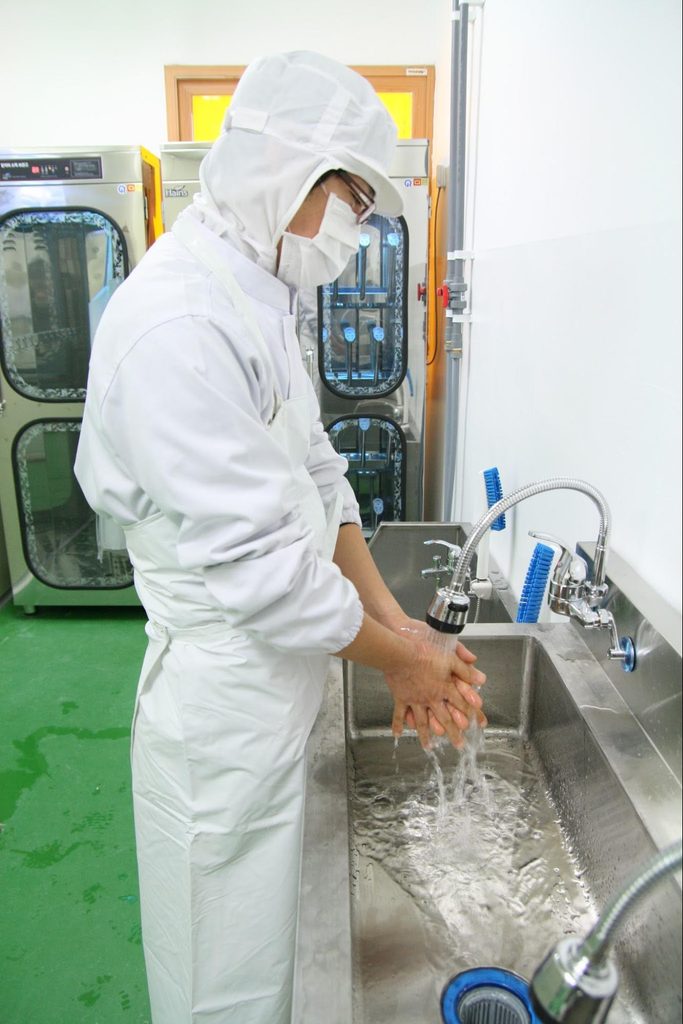
Wear gloves to protect your hands and briefly rinse the oysters under running water. Use a clean brush to scrub dirt and other debris from the outside of the shells, then rinse again. Be careful not to cut your hands on sharp shell edges. To prevent cross-contamination, wash the tools and work surfaces used to clean the oysters before they come into contact with other ingredients.
Washing removes debris from the shells. Rinsing oysters or soaking them for a long time does not eliminate foodborne illness risks, including norovirus. Oysters labeled for cooking must be cooked thoroughly.
Preparing In-Shell Oysters: Refrigerated and Frozen Storage After Cleaning
In-Shell Oyster Storage and Product Labels
If you do not cook cleaned oysters immediately, keep them refrigerated or frozen as supplied and check the use-by date on the packaging. In-shell oysters may have different storage requirements from shucked or processed oysters. Do not assume a storage period that has not been confirmed for the product.
Storage Differences Between Half-Shell and Frozen Oysters
Handle half-shell oysters so that the exposed meat does not touch other ingredients or cooking utensils. Thaw frozen products according to the instructions on the packaging, and keep any liquid released during thawing away from other foods. Freezing alone does not make oysters suitable for raw consumption.
Preparing In-Shell Oysters: Steaming Steps and Cooking Guidelines
What You Need Before Steaming In-Shell Oysters
Have a steamer, tongs, and gloves ready. Arrange the cleaned in-shell oysters so steam can circulate evenly around them. Keep within the steamer’s capacity and avoid piling the oysters too high.
How to Steam In-Shell Oysters, Step by Step
① Add water to the steamer and heat until it is producing plenty of steam.
② Place the cleaned in-shell oysters in the steamer and cover with the lid.
③ Maintain a steady flow of steam and check the oysters as they cook.
④ Remove the cooked oysters with tongs, taking care around the hot shells and any hot liquid inside.
In-Shell Oyster Steaming Times and Guidelines for Thorough Cooking
Steaming time depends on the size and number of oysters and the steamer’s heat output. The U.S. Centers for Disease Control and Prevention (CDC) recommends adding shellfish in their shells to a steamer that is already steaming, cooking them for 4–9 minutes, and discarding any whose shells remain closed after cooking.
Food Safety Korea also advises bringing fish and shellfish, including oysters, to an internal temperature of 85°C and maintaining that temperature for at least 1 minute to help prevent norovirus. This refers to the temperature inside the oyster, not simply the time it spends in the steamer.
Preparing In-Shell Oysters: Samsam Mulsan’s Oyster Products by Shell Format and Processing Method
In-Shell and Half-Shell Oyster Products
Samsam Mulsan presents its oysters by shell format: in-shell oysters with both shell halves intact, and half-shell oysters with one shell half removed. Specifications and handling requirements for each product are available in the official product information.
Understanding Raw, Triploid, and Frozen Oysters
For products labeled “raw oysters,” check whether the oysters are in-shell or shucked and how they have been processed. “Triploid” describes a characteristic related to oyster production; the term itself does not indicate that the oysters are safe to eat raw or superior in quality. “Frozen oysters” refers to oysters that have undergone freezing.
Differences Between IQF Shucked Oysters, Cooked Frozen Oyster Meat, and Oysters Rockefeller
IQF (individually quick-frozen) shucked oysters are raw oysters that have been removed from their shells and quickly-frozen individually. Samsam Mulsan’s cooked frozen oyster product consists of shucked oyster meat that is cooked and then frozen. Oysters Rockefeller is a separately prepared and processed product, distinct from plain half-shell oysters.
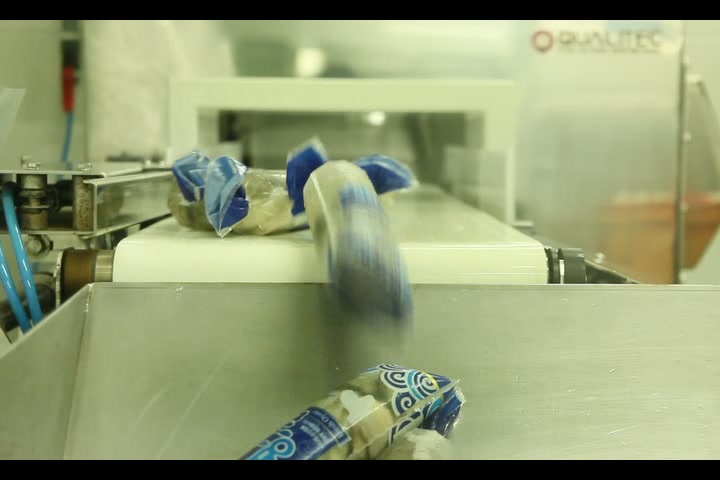
The oyster formats and processed products offered by Samsam Mulsan can be found in the oyster product section of its official website.
Frequently Asked Questions About Preparing, Storing, and Steaming In-Shell Oysters
Can I eat oysters raw after washing them?
No. Washing the shells does not make oysters safe to eat raw. Check the labeling for raw consumption and how the oysters have been stored. If they are labeled for cooking, cook them thoroughly.
Can I leave in-shell oysters soaking in water for a long time?
Use running water and a brush to remove debris from the outside of the shells rather than soaking them for an extended period.
Are oysters with broken shells safe if I cook them?
It is better not to use oysters with severely damaged shells or meat exposed by shell damage. Cooking does not make up for improper storage.
What should I do if the shells do not open after steaming?
The CDC recommends discarding shellfish whose shells remain closed after steaming. Do not force them open to eat them.
How should I store leftover oysters steamed in their shells?
Do not leave cooked oysters at room temperature for a long time. Put them in a clean container and refrigerate promptly. Reheat thoroughly before eating, and do not eat them if you are unsure how they have been stored.
References
Samsam Mulsan, official website
Samsam Mulsan, oyster products
Food Safety Korea, Norovirus food safety information (cook fish and shellfish, including oysters, at an internal temperature of 85°C for at least 1 minute)