When importing Korean oysters, buyers should check not only the product types and prices but also the source of the raw oysters, processing methods, and quality management standards at the manufacturing facilities. Even among frozen oysters, product characteristics and intended uses can differ depending on the processing method.
Based in Tongyeong, Gyeongsangnam-do, Samsam Mulsan sorts and processes oysters purchased locally to produce individually quick-frozen oysters, cooked frozen oysters, and other products. Overseas buyers evaluating supply terms should review the company’s production facilities and product-specific manufacturing processes, from raw material sourcing through processing and packaging.
This article introduces Samsam Mulsan’s oyster purchasing methods, main oyster products, processing equipment, facility-specific quality management standards, and the role of SS Global in handling overseas transactions.
Korean Oyster Supplier Samsam Mulsan’s Tongyeong Sourcing Base
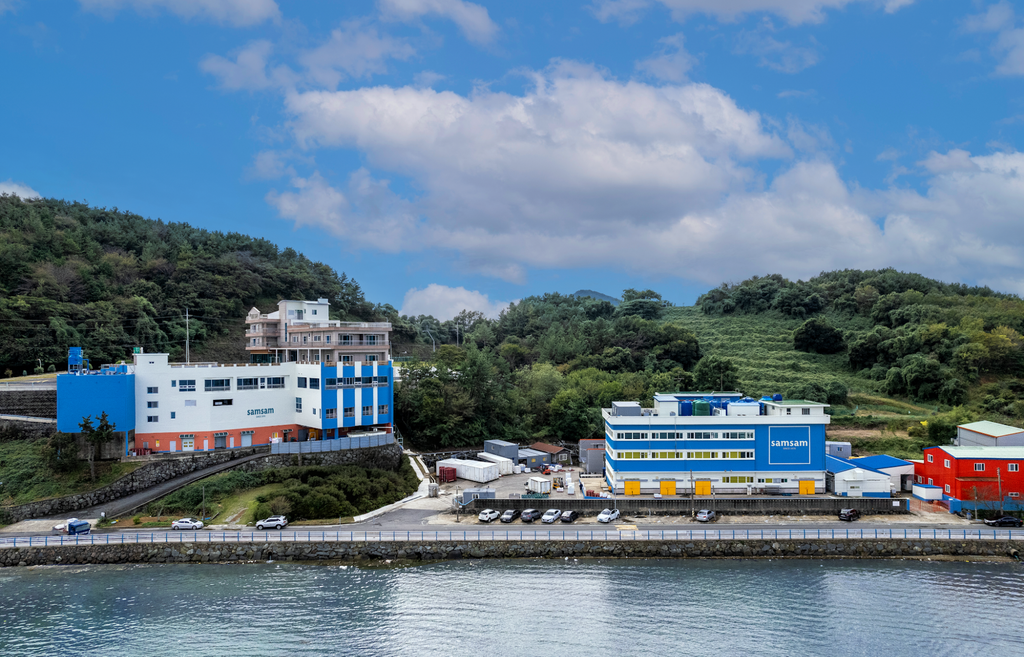
Samsam Mulsan is a seafood manufacturing, processing, and distribution company founded in Tongyeong, Gyeongsangnam-do, in 1976. It continues to purchase oysters at Tongyeong oyster auctions as intermediate wholesaler No. 33.
Purchasing Raw Oysters at Auctions in Tongyeong
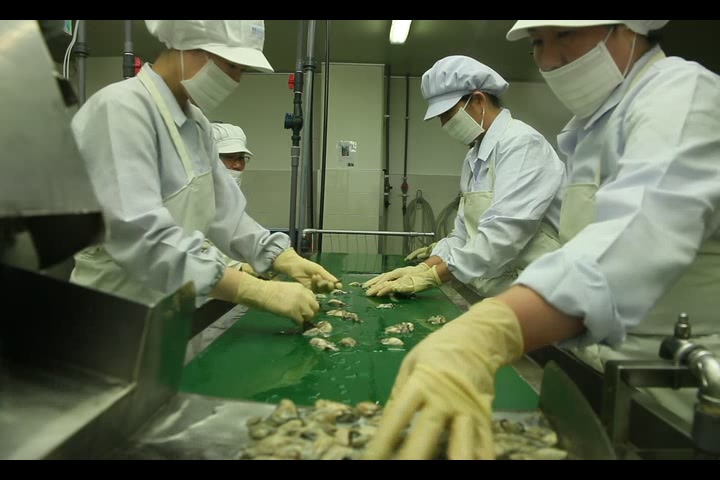
Samsam Mulsan transports oysters purchased at local auctions in Tongyeong to its own production facilities for sorting and processing. Its company history records its registration as broker No. 33 with the Chungmu branch of the Diving Fisheries Cooperative in 1979 and the Tongyeong Fisheries Cooperative in 1988.
How Purchased Oysters Are Processed into Products
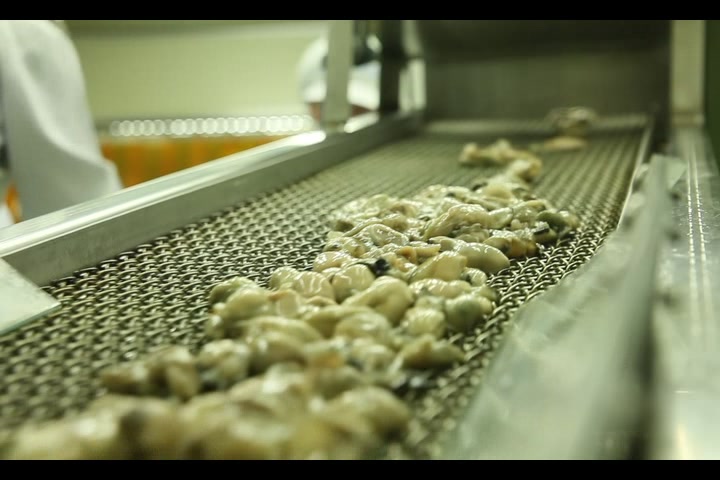
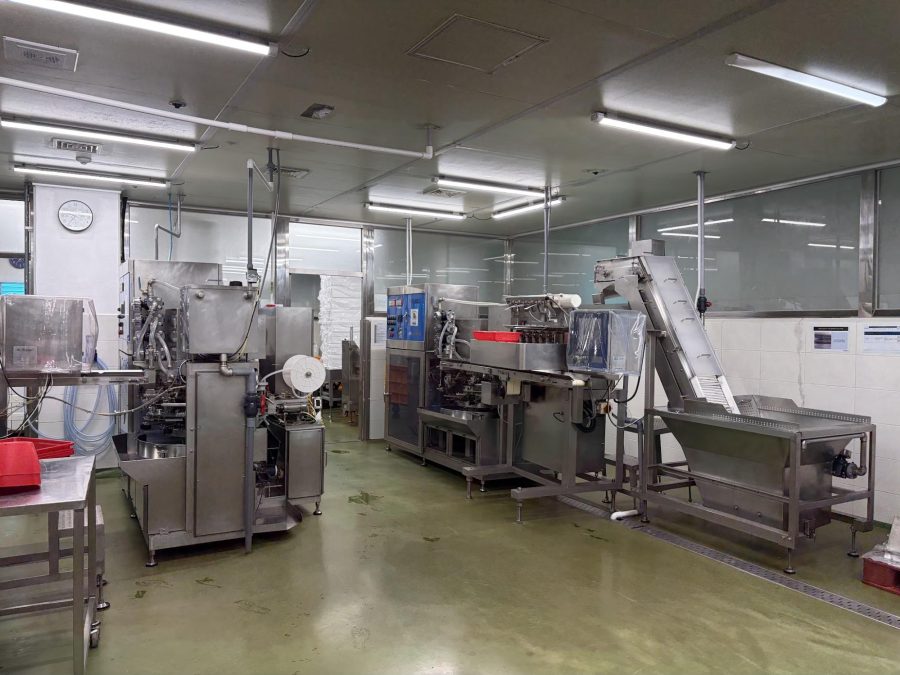
Purchased oysters are sorted and washed before undergoing product-specific processing. Shucked raw oysters are supplied as refrigerated products or processed into frozen products. These production processes use equipment at the company’s first and second factories in Yongnam-myeon, Tongyeong.
Main Oyster Products from Korean Oyster Supplier Samsam Mulsan
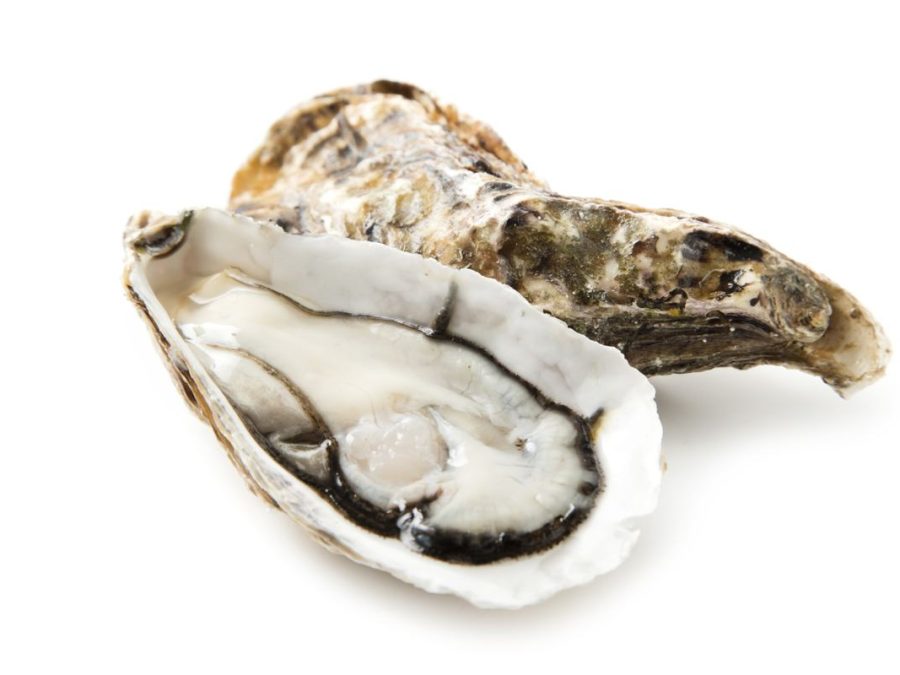
Samsam Mulsan’s oyster products include raw oysters, in-shell oysters with both shell halves intact, half-shell oysters with one shell half removed, IQF shucked oysters, and cooked frozen oysters. IQF shucked oysters and cooked frozen oysters are both frozen products, but they differ in whether they are heated before freezing and how they are processed.
Differences Between Product Formats, from Raw to Frozen Oysters
Product differences include whether the oysters have been heated, the form of the raw oysters, and packaging specifications. The table below compares how IQF shucked oysters and cooked frozen oysters are processed, along with the items to check when ordering.
| Category | IQF Shucked Oysters | Cooked Frozen Oysters |
| Raw material | Shucked raw oysters | Shucked oyster meat |
| Heating before freezing | None | Includes a cooking process |
| Processing method | Individual quick freezing and glazing | Cooking followed by freezing |
| Items to check | Weight, count, glazing, and packaging specifications | Weight, count, degree of cooking, and packaging specifications |
How Are IQF Shucked Oysters Produced?
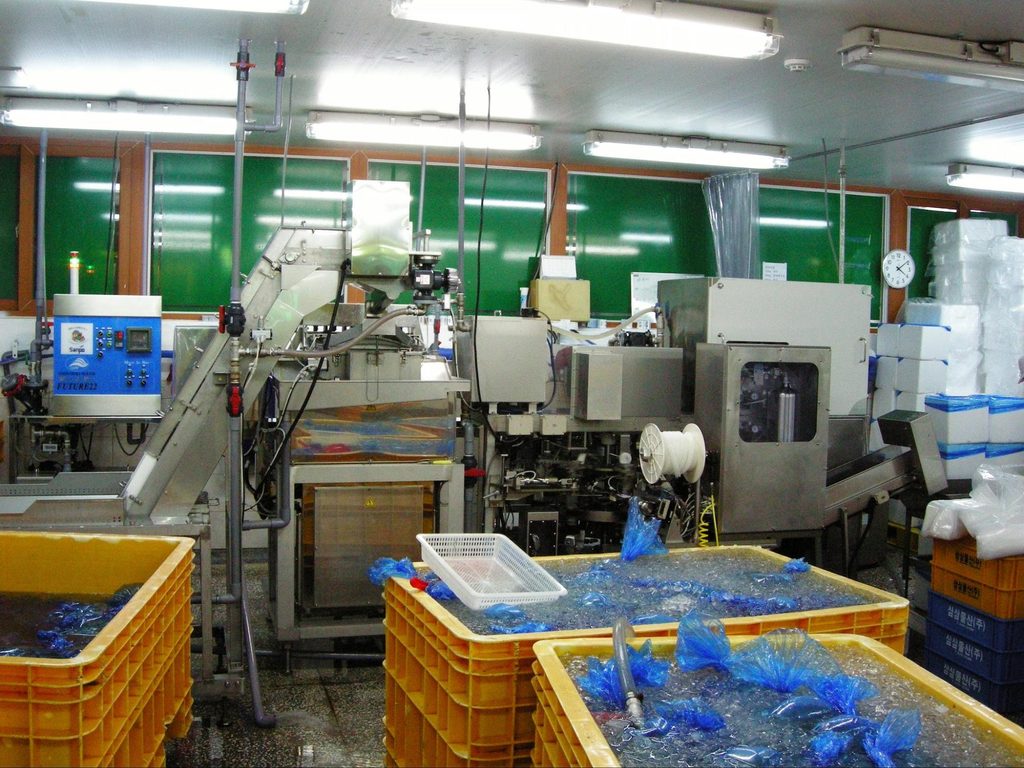
IQF (individual quick freezing) is a method of rapidly freezing shucked raw oysters individually. The oysters are frozen separately, making it easy to portion out only the quantity needed.Glazing applied during the freezing process helps prevent the product’s surface from drying out. The freezing method alone should not be used to determine whether the oysters can be eaten raw after thawing.
Heating and Freezing Processes for Cooked Frozen Oysters
Cooked frozen oysters are made by heating shucked oyster meat and then freezing it. This differs from cooking oysters in their shells. When placing an order, check the degree of cooking and packaging format for each product.
Checking Product Specifications
The weight, count, and packaging formats of IQF shucked oysters and cooked frozen oysters are subject to discussion as part of the order terms. Specify the desired product and intended use to confirm the available specifications.
Korean Oyster Supplier Samsam Mulsan’s Production Equipment and Processing Technology
Samsam Mulsan’s first and second factories operate different processing and packaging equipment depending on the product. Review the facility information and manufacturing processes that apply to the specific product being ordered.
Chilled Seawater Washing and Packaging Equipment
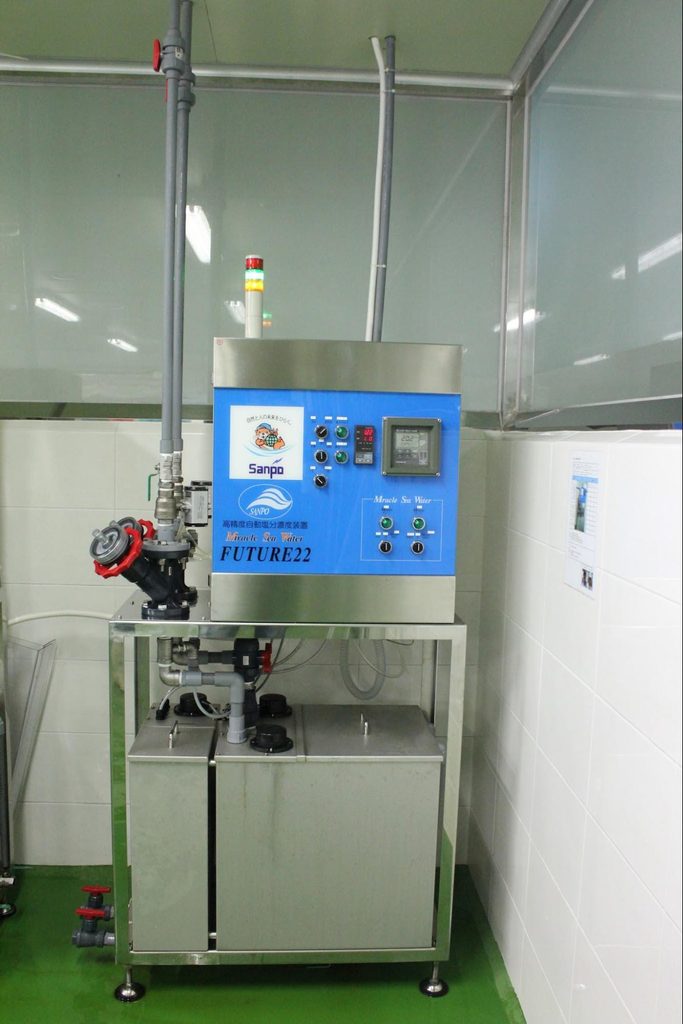
Samsam Mulsan chills seawater drawn from the waters of Hallyeosudo for use in processing. It has a 7°C chilled seawater system and a four-stage washing line. After processing, products are packaged using equipment suited to their format, including automated equipment for small packs, tray packaging, thermoforming vacuum packaging, and weighing and packaging equipment.
Equipment for Different Freezing Methods
IQF shucked oysters are produced using a belt freezer operating at −35°C or below, followed by glazing. The second factory also has −60°C rapid-freezing equipment for processed foods such as Oysters Rockefeller and gratin. These temperatures describe the operating conditions of the equipment; they do not indicate the internal temperature of every product.
Dedicated Heating Equipment for Cooked Frozen Oysters
The cooking belt line uses heating equipment with water at 100°C. However, this figure alone does not indicate the product’s internal temperature or heating time. Detailed processing standards should therefore be checked in the product-specific documentation.
Food Safety Management at Korean Oyster Supplier Samsam Mulsan
The scope of Samsam Mulsan’s food safety certifications varies by manufacturing facility. Overseas importers should check not only whether the company holds certifications but also which certifications apply to the actual production facility and the product being purchased.
Certification Status of the First and Second Factories
Client-provided materials state that the first factory holds FSSC 22000 certification for the manufacture of frozen, immersed, and processed seafood in plastic packaging, while the second factory holds HACCP certification for frozen fish, frozen mollusks, and seasoned fermented seafood products.
The materials also describe U.S. FDA food facility registration for both factories and K·FISH certification for frozen oysters. However, the scope and validity periods must be checked against the latest supporting documents. FDA facility registration does not mean product approval.
Metal Detection and Quality Testing
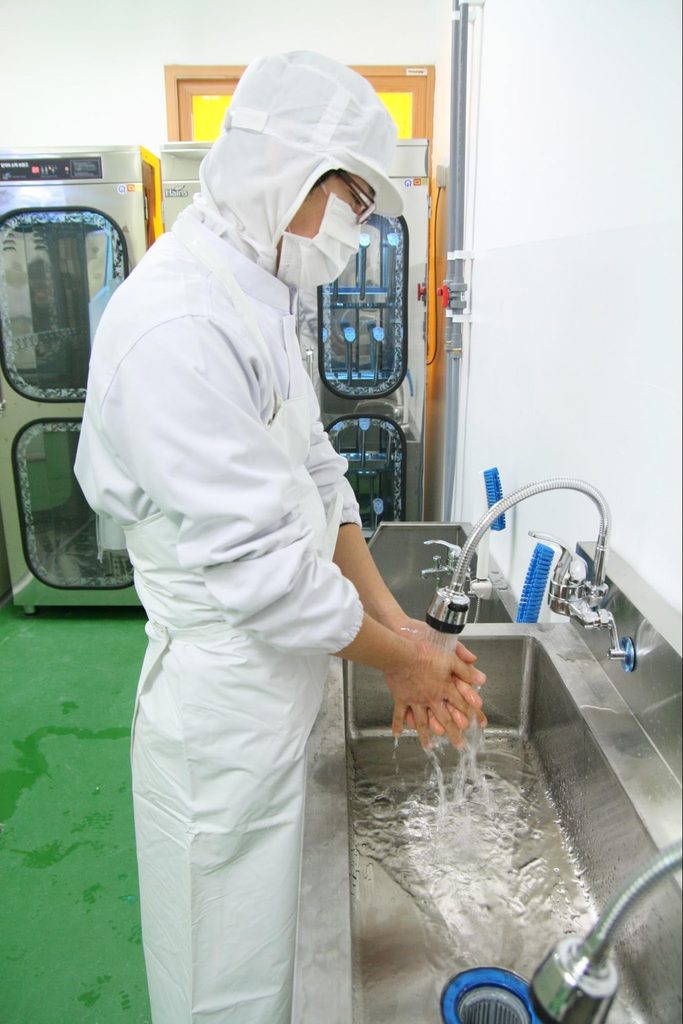
Quality management measures include metal detection, in-house laboratory testing, and testing by external accredited organizations. Test parameters, testing frequency, and the availability of test reports for the relevant product must be confirmed individually. No claim is made that every unit of every product is inspected.
[Check Production Facility and Certification Information]
To confirm the manufacturing facility and certified product categories for a particular product, review the production facility information together with the latest certificates.
Overseas Supply Operations of Korean Oyster Supplier Samsam Mulsan
Samsam Mulsan purchases and processes raw oysters, while overseas trade and buyer consultations are handled in coordination with SS Global.
Overseas Supply Activities of Korean Oyster Exporter Samsam Mulsan
Client-provided materials list export products such as IQF frozen oysters, frozen freshwater snail meat, and frozen ark clam meat, along with countries where the company does business, including the United States, Canada, Vietnam, Australia, and Japan. Confirm which products can be supplied to each country and the applicable contract terms during consultation.
Frozen Oyster Storage and Order Specifications
When importing frozen oysters, check the weight, count, packaging format, storage temperature, and shipping conditions for each product. No fixed minimum order quantities or lead times have been confirmed. Specify the desired product, expected order quantity, and importing country to discuss these terms separately.
Frequently Asked Questions About Korean Oyster Supplier Samsam Mulsan
Does Samsam Mulsan Farm Its Own Oysters?
No. Samsam Mulsan purchases raw oysters at local auctions in Tongyeong and processes them. It does not farm oysters itself.
What Is the Difference Between Individually Quick-Frozen Oysters and Cooked Frozen Oysters?
IQF shucked oysters are raw oysters that are individually frozen without heating. Cooked frozen oysters are heated before freezing.
What Certifications Does Samsam Mulsan Hold?
Certifications such as FSSC 22000 for the first factory and HACCP for certain product categories at the second factory differ in scope by facility. Check the validity period and scope of the certificate that applies to the product being purchased.
Where Can I Inquire About Importing the Products?
Import inquiries are handled in coordination with SS Global, which is responsible for export operations. You can contact Samsam Mulsan through its official email address, ssms@samsammulsan.com, or its Seoul office at +82-2-6166-2233.
Are Minimum Order Quantities and Lead Times Fixed for Oyster Products?
These may vary by product and order conditions, so there is no single minimum order quantity or lead time that applies to all orders. Specify the desired product, expected quantity, and requested delivery date to confirm the terms for your order.
Product and Overseas Trade Inquiries for Korean Oyster Supplier Samsam Mulsan
Importers should review not only how the oyster products are processed but also the relevant manufacturing facility, certification scope, and terms of sale. Required specification sheets and product availability can be confirmed through Samsam Mulsan’s official inquiry channels.
For product-specific specifications, packaging units, and overseas supply terms, use the inquiry form on Samsam Mulsan’s official website or email ssms@samsammulsan.com.
[Overseas Trade and Frozen Oyster Supply Inquiries]
Email: ssms@samsammulsan.com / Seoul Office: +82-2-6166-2233
References
Samsam Mulsan, official website
Samsam Mulsan, production facilities
Samsam Mulsan, technical equipment
U.S. FDA Importing Human Foods