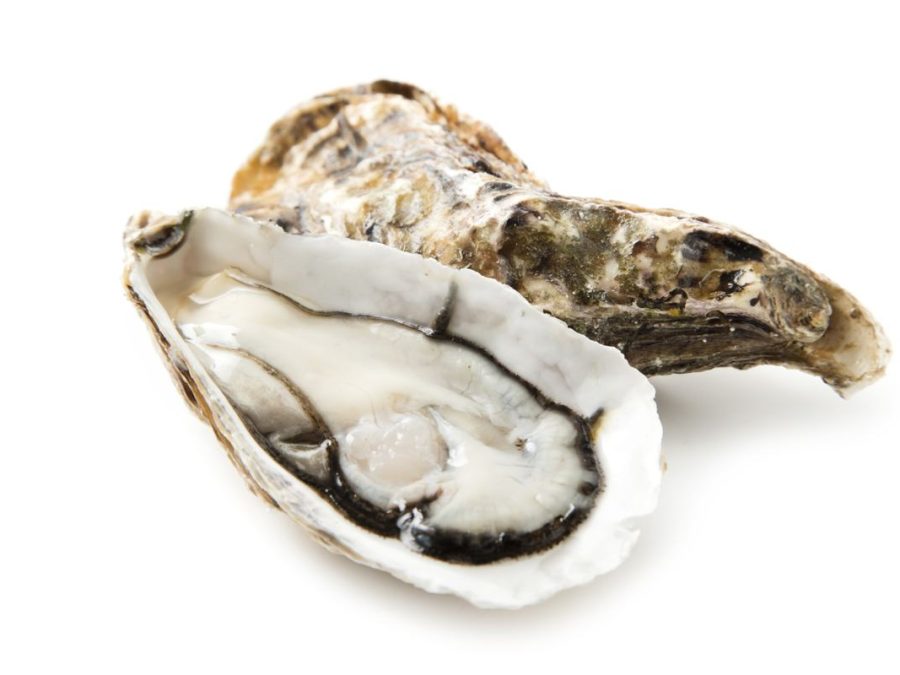
Even if you enjoy oysters, concerns about norovirus may make you hesitate to eat them raw. But are frozen oysters any safer to eat?
Freezing does not completely eliminate norovirus. Check how the product has been processed and read its labeling, then follow the instructions for thawing and cook it thoroughly before eating.
Frozen oyster products include raw oysters that have been individually quick-frozen and oysters that have been cooked before freezing. Understanding these processing differences can help you handle each product appropriately, from purchase through cooking.
Norovirus in Oysters and Frozen Storage
Why Norovirus Can Accumulate in Oysters
Oysters are shellfish that feed by filtering seawater. If the surrounding waters are contaminated, norovirus can accumulate in them. Infection may cause vomiting, diarrhea, and abdominal pain. You cannot reliably tell whether oysters contain the virus by their appearance or smell alone.
Frozen Storage and the Risk of Norovirus Infection
Norovirus can remain infectious even when frozen. The quick-freezing process used for frozen raw oysters and IQF shucked oysters helps preserve the products during storage and maintain their quality.
Frozen Oyster Product Formats and What to Check on the Label
Differences Between Frozen Raw Oysters and Cooked Frozen Oysters
Frozen raw oysters are oysters frozen in their raw state. IQF shucked oysters are raw oysters removed from their shells and individually quick-frozen. Cooked frozen oysters undergo a heating process before freezing. When purchasing, check these processing differences along with the intended use stated on the packaging.
| Product Format | Processing Method | What to Check on the Label | Cooking Precautions |
| Frozen raw oysters | Raw oysters are frozen | Whether intended to be eaten raw or cooked; storage conditions | Thoroughly cook products labeled for cooking |
| IQF shucked oysters | Shucked raw oysters are individually quick-frozen | Intended use; thawing and storage instructions | Freezing alone does not sterilize the product |
| Cooked frozen oysters | Oysters are cooked and then frozen | Whether additional heating is required; directions for consumption | Do not assume the product is ready to eat simply because it has been cooked |

Thawing Frozen Oysters and Precautions for Cooking
How to Thaw and Store Frozen Oysters
If frozen oysters require thawing, thaw them in the refrigerator or in cold water in a sealed bag. Do not leave them at room temperature for an extended period, and cook promptly after thawing. Some products are intended to be cooked directly from frozen, so check the packaging instructions first.
Oyster Cooking Temperatures and Thorough Cooking
South Korea’s Ministry of Food and Drug Safety advises bringing oysters labeled for cooking to an internal temperature of at least 85°C and maintaining that temperature for at least 1 minute before eating. Internal temperature means the temperature inside the oyster, not the temperature of boiling water or the temperature setting on a cooking appliance. General seafood cooking guidance from the U.S. FDA and CDC also include a temperature of 145°F (approximately 63°C), but this temperature should not be taken as a guarantee that norovirus has been eliminated.
Handwashing and Cleaning Utensils to Prevent Cross-Contamination
After handling raw oysters or oysters that are thawing, wash your hands thoroughly with soap and running water. The CDC recommends washing your hands for at least 20 seconds to help prevent norovirus. Keep oysters in separate containers so that liquid released during thawing does not come into contact with other ingredients. Wash cutting boards, knives, and containers after use to keep cooked food from coming into contact with raw ingredients.
U.S. FDA Food Safety Advisories Concerning Frozen Oysters
Product Information to Check in FDA Advisories
When reviewing an FDA food safety advisory about oysters, check the specific products and identifying details listed in the notice. For example, an advisory updated on August 20, 2025, covers frozen half-shell and IQF oysters from a specific processor, JBR KR-15-SP, harvested during the periods specified in the notice. Buyers and distributors should cross-check the product format, processor identification number, harvest dates and lot information, and distribution areas against the notice, and check when it was last updated. This advisory should not be interpreted as a warning about all Korean oysters or Samsam Mulsan products.
| Item to Check | Details to Review |
| Product name and format | Formats covered by the notice, such as raw oysters, half-shell oysters, or frozen raw oysters |
| Company and identifying information | Producer or processor name and identification number |
| Harvest and production information | The harvest dates, lots, and any other limits on the products covered by the notice |
| Distribution scope | Sales and distribution areas and the relevant distribution channels |
| Publication and update dates | The original publication date and any updated guidance |
Differences Between FDA Advisories and Recalls, and How Consumers Should Respond
An FDA advisory informs consumers and sellers about precautions related to a food safety issue. A recall is an action to remove affected products from the market. An FDA advisory may also include recall information, so check the manufacturer, harvest information, and other product details, then take the actions specified in the notice.
Samsam Mulsan’s Processing Methods for IQF Shucked Oysters and Cooked Frozen Oysters
Individual Quick Freezing of IQF Shucked Oysters at −35°C or Below
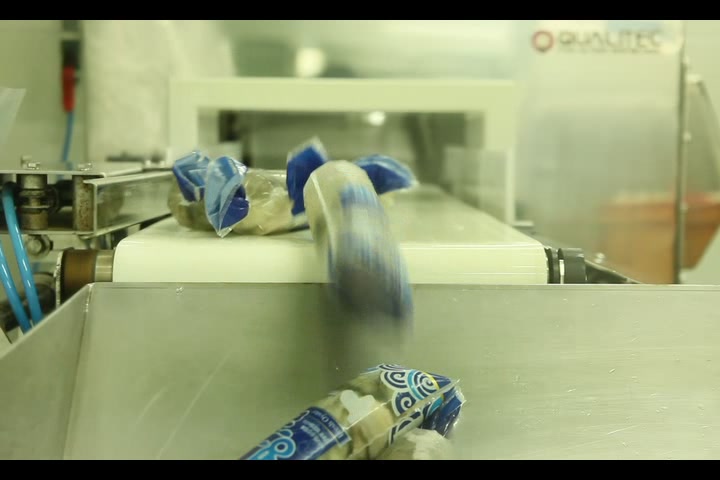
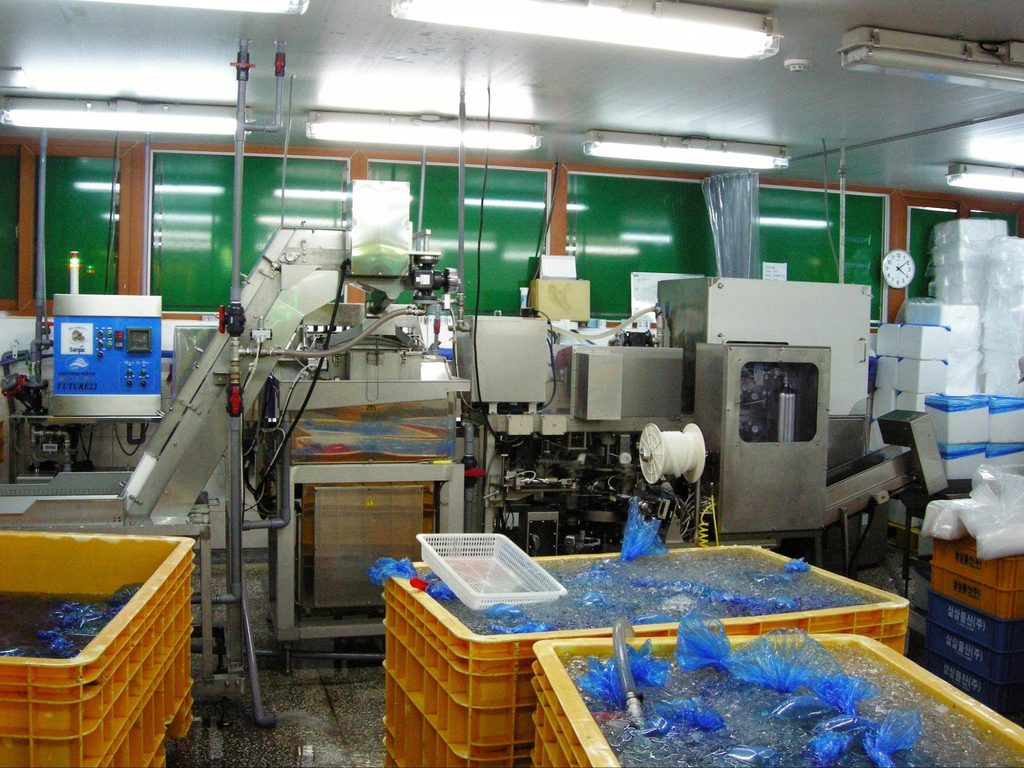
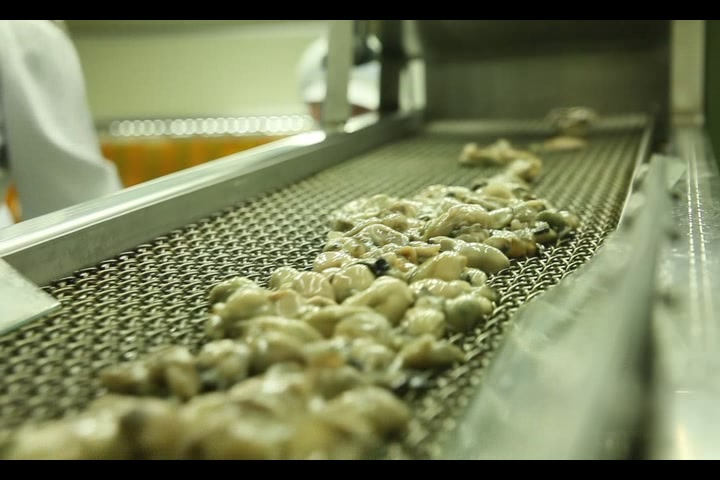
Samsam Mulsan produces IQF shucked oysters by individually quick-freezing shucked raw oysters in a belt freezer operating at −35°C or below, followed by glazing. This process freezes the product; it is not a sterilization process guaranteed to eliminate norovirus.
Frequently Asked Questions
Can norovirus survive in frozen oysters?
Yes. Norovirus can remain infectious even when frozen. Freezing alone does not eliminate the virus, so follow the product’s handling and cooking instructions.
Can frozen oysters be eaten immediately after thawing?
Do not assume that frozen oysters are ready to eat. Check the label to see whether the product is intended to be eaten raw or requires cooking.
How should frozen oysters be thawed?
Follow the package directions. If thawing is required, use the refrigerator or cold water with the oysters in a sealed bag. Avoid leaving them at room temperature for extended periods.
Can cooked frozen oysters be eaten without further heating?
Not necessarily. A cooking step before freezing does not by itself establish that a product is ready to eat. Check the specific product’s labeling and preparation instructions.
Do FDA oyster advisories apply to all frozen oysters from South Korea?
No. An FDA advisory applies to the specific products and identifying details stated in the notice, such as the processor, product format, and harvest periods. Check the notice before determining whether a product is affected.
What is the difference between Samsam Mulsan’s IQF shucked oysters and cooked frozen oysters?
IQF shucked oysters are raw oyster meat individually quick-frozen after shucking. Cooked frozen oysters undergo a cooking process before freezing. Refer to each product’s label for handling and cooking requirements.
References
CDC: Norovirus prevention and handwashing
FDA: Norovirus advisory for certain frozen oysters
FDA: Safe handling, thawing, and cooking of seafood
South Korea MFDS: Oyster cooking temperature guidance