Oyster & Seafood Glossary
GLOSSARYTerms that appear on product sheets and purchase orders but are rarely explained anywhere. We keep adding entries.
Characteristics of Triploid Oysters: Differences from Diploid Oysters and Changes During Spawning Season
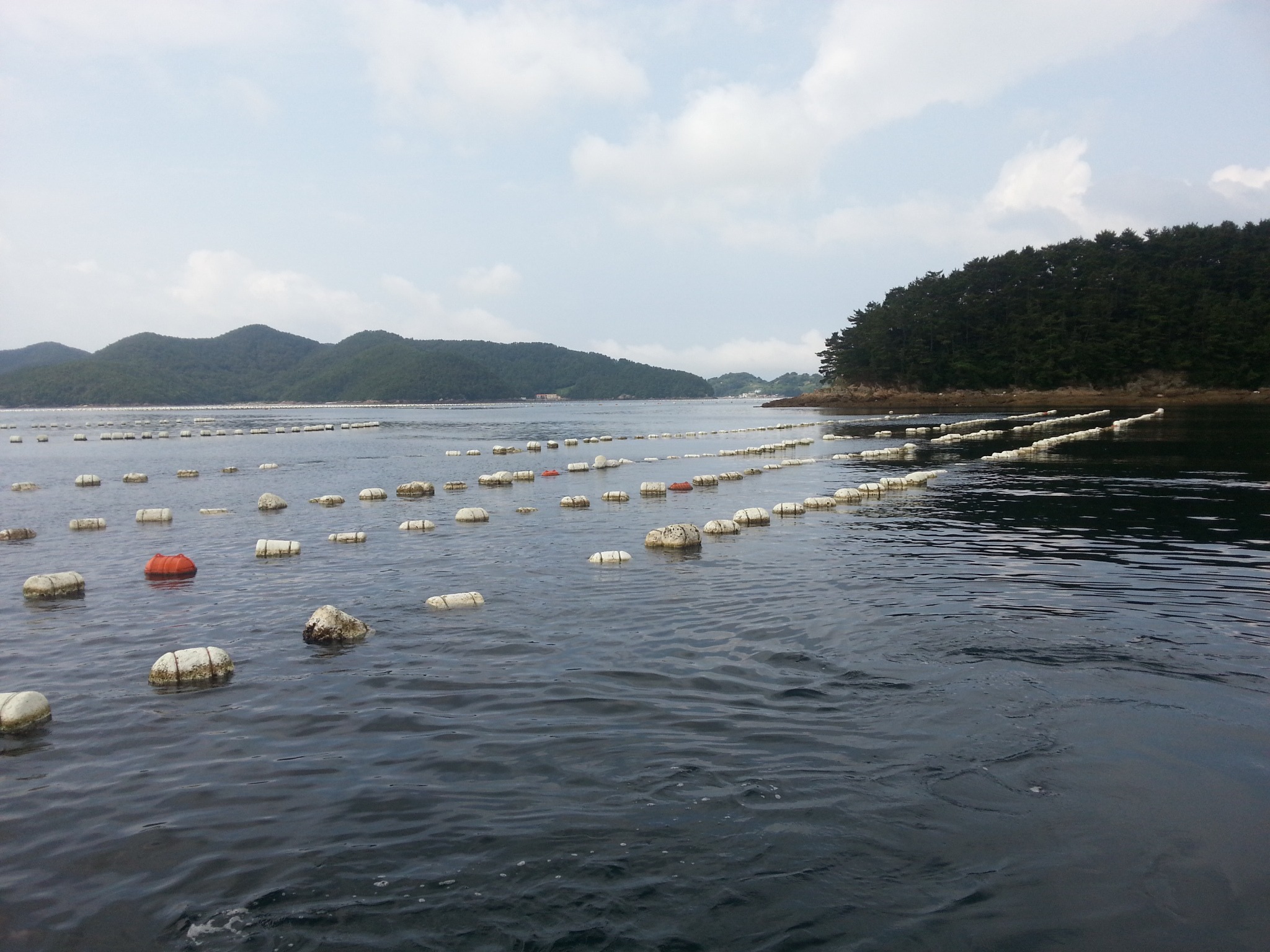
While typical diploid oysters have a basic chromosome composition of two sets (2n), triploid oysters have three sets (3n). Here, ‘n’ is a symbol representing the number of chromosomes in one set; for oysters, one set consists of 10 chromosomes. Therefore, diploid oysters have 20 chromosomes, and triploid oysters have 30 chromosomes. This difference also affects the oyster’s reproductive capacity and spawning season characteristics.
Inquire About Currently Handled Oyster Products
Reasons for Lower Reproductive Capacity in Triploid Oysters
Diploid oysters undergo meiosis when producing eggs and sperm. Meiosis is the process of reducing the chromosome number by half to create reproductive cells.
Conversely, in triploid oysters, chromosomes are less likely to divide evenly during meiosis, which significantly reduces their ability to produce normal reproductive cells. However, they are not completely sterile, and some individuals may produce a small amount of reproductive cells.
Oyster Flesh Characteristics of Triploid Oysters During Spawning Season
Diploid oysters may experience a reduction in oyster flesh after spawning, and changes in texture, such as becoming softer or having higher water content, may occur. In contrast, triploid oysters have limited reproductive activity, so changes in oyster flesh are less pronounced even during the spawning season. However, the size and plumpness of triploid oyster flesh can still vary depending on aquaculture conditions such as water temperature and food supply.
Comparison of Diploid and Triploid Oysters
|
Category |
Diploid Oyster (2N) |
Triploid Oyster (3N) |
|
Chromosome Composition |
2N |
3N |
|
Reproductive Characteristics |
Normal reproductive activity |
Generally lower reproductive capacity |
|
Oyster Flesh During Spawning Season |
May show significant changes before and after spawning |
May show relatively fewer changes |
Triploid Oyster Seed Production Methods
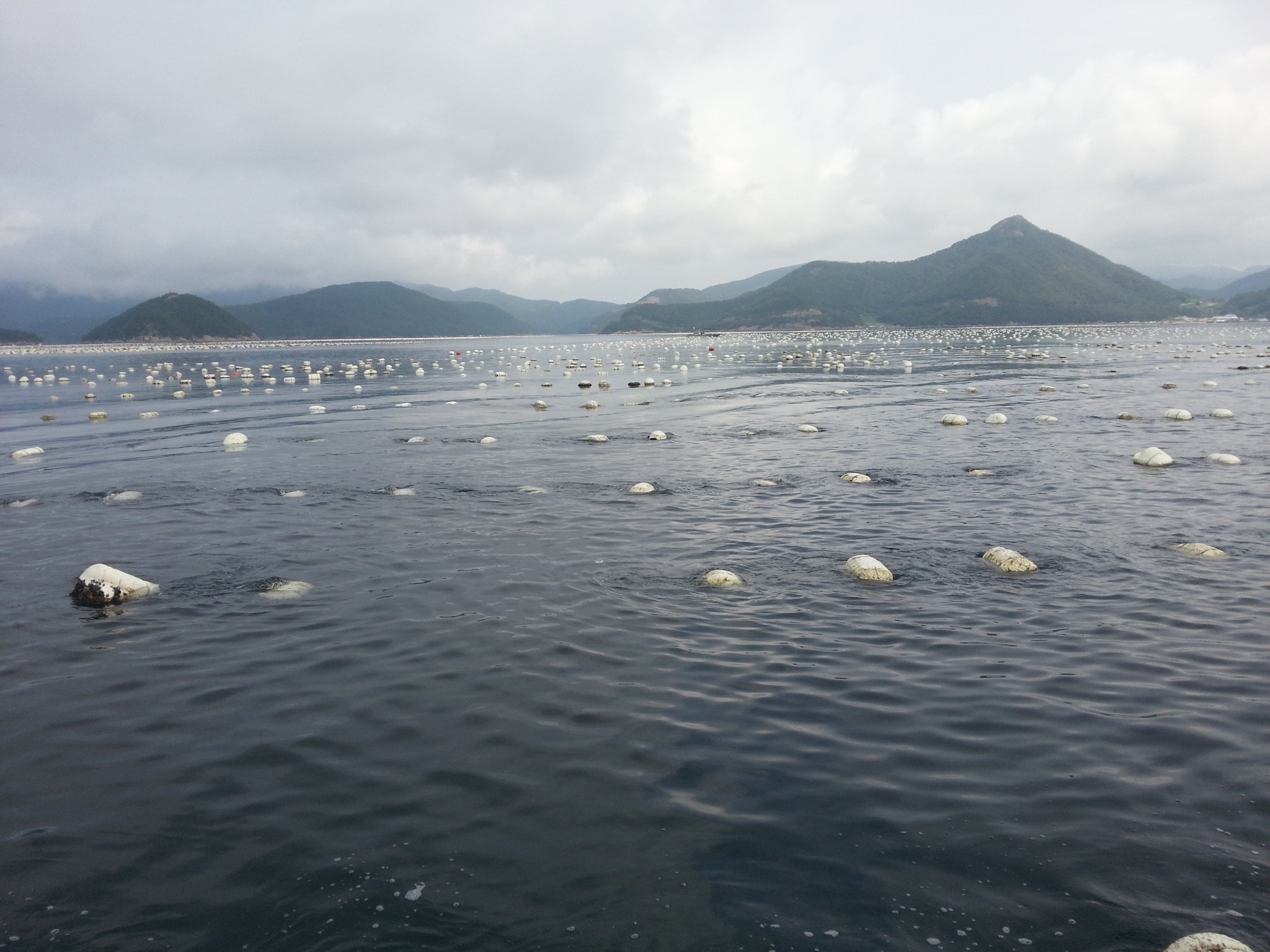
Triploid oysters are systematically produced through artificial fertilization in hatcheries. The widely used method currently is to fertilize the eggs of diploid oysters with sperm from tetraploid oysters, which have four sets of chromosomes. One set is contributed by the egg and two sets by the sperm, resulting in a fertilized egg with three sets.
Another method involves applying chemical treatment or hydrostatic/temperature shock immediately after fertilizing diploid oysters with each other, to prevent one set of chromosomes from being expelled. However, this method often results in an uneven triploid ratio depending on the timing of the treatment, so the cross-breeding method is primarily used in commercial aquaculture.
Since triploids and tetraploids occur naturally, they are not classified as genetically modified (GMO) oysters.
Check Current Availability of Oyster Types
Differences Between Triploid Oysters, Single Oysters, and Summer Oysters
Single oyster culture is a farming method where oysters are grown individually to prevent them from attaching to each other; triploid oysters can also be cultivated using this method. Conversely, ‘summer oyster’ is a term for oysters sold during the summer and does not indicate whether they are triploid. To confirm if an oyster is triploid, one must check the seed information provided by the seller.
Frequently Asked Questions About Triploid Oysters
Can triploid oysters be distinguished by their appearance?
It is difficult to distinguish triploid oysters solely by shell shape or oyster flesh size. At the production stage, they are identified by counting chromosomes or analyzing the DNA content of cells.
Do triploid oysters occur naturally?
Triploids can spontaneously occur at a low frequency in Pacific oysters. Naturally occurring individuals are few in number and cannot be selected by appearance, so they are artificially produced in aquaculture to obtain seed of consistent quality.
Do triploid oysters always grow faster than regular oysters?
Triploid oysters do not always grow faster than regular oysters. Growth rate varies depending on the oyster strain and aquaculture environment, such as water temperature and food supply.
Are ‘triploid oysters’ and ‘triploid Pacific oysters’ the same thing?
Yes. Pacific oyster refers to a type of oyster, and among these, oysters with a 3n chromosome configuration are called triploid Pacific oysters. Therefore, triploid Pacific oysters are included within the term ‘triploid oysters’.
Can triploid oysters be eaten raw even in summer?
Even triploid oysters, which maintain their flesh well during the spawning season, do not guarantee safety for raw consumption in summer. Regardless of whether they are triploid, it is essential to check the product labeling for ‘raw consumption’ or ‘for cooking’ and follow storage and cooking guidelines. Oysters designated for cooking must be consumed after being thoroughly cooked to an internal temperature of 85℃ or higher for at least one minute, as advised by the Ministry of Food and Drug Safety.
This article provides information about triploid oysters, and Samsam Mulsan does not handle triploid oysters.
Consult About Currently Handled Items and Supply Conditions
Triploid Oyster References
Virginia Institute of Marine Science (VIMS): Polyploid Oyster Research
University of Florida IFAS: Triploid Oyster Production and Growth Characteristics
National Institute of Fisheries Science: Single Oyster Pacific Oyster Aquaculture Technology
Ministry of Food and Drug Safety: How to Safely Eat Oysters in Winter
Rutgers University: Distinguishing Triploid/Tetraploid Oysters from GMOs
Heredity: Chromosome Inheritance and Reproductive Potential of Triploid Pacific Oysters
National Human Genome Research Institute (NHGRI): Meiosis
FEBS Open Bio (2022): Male triploid oysters of Crassostrea gigas exhibit defects in mitosis and meiosis during early spermatogenesis