Oyster & Seafood Glossary
GLOSSARYTerms that appear on product sheets and purchase orders but are rarely explained anywhere. We keep adding entries.
Differences Between OEM, ODM, and PB | Distinguishing Food Manufacturing Methods and Private Brands
When preparing a private brand food product and contacting manufacturers, you will encounter the terms OEM, ODM, and PB during quotes and consultations. If you view all three as production methods, it is easy to become confused when comparing quotes and contract terms. OEM and ODM are categorized by the extent of what is entrusted to the manufacturer, while PB refers to whose brand the product is sold under. This article clarifies the differences between these three terms, the methods for creating PB products through OEM/ODM, and the items to verify before contracting with a manufacturer.
Criteria for Distinguishing OEM, ODM, and PB
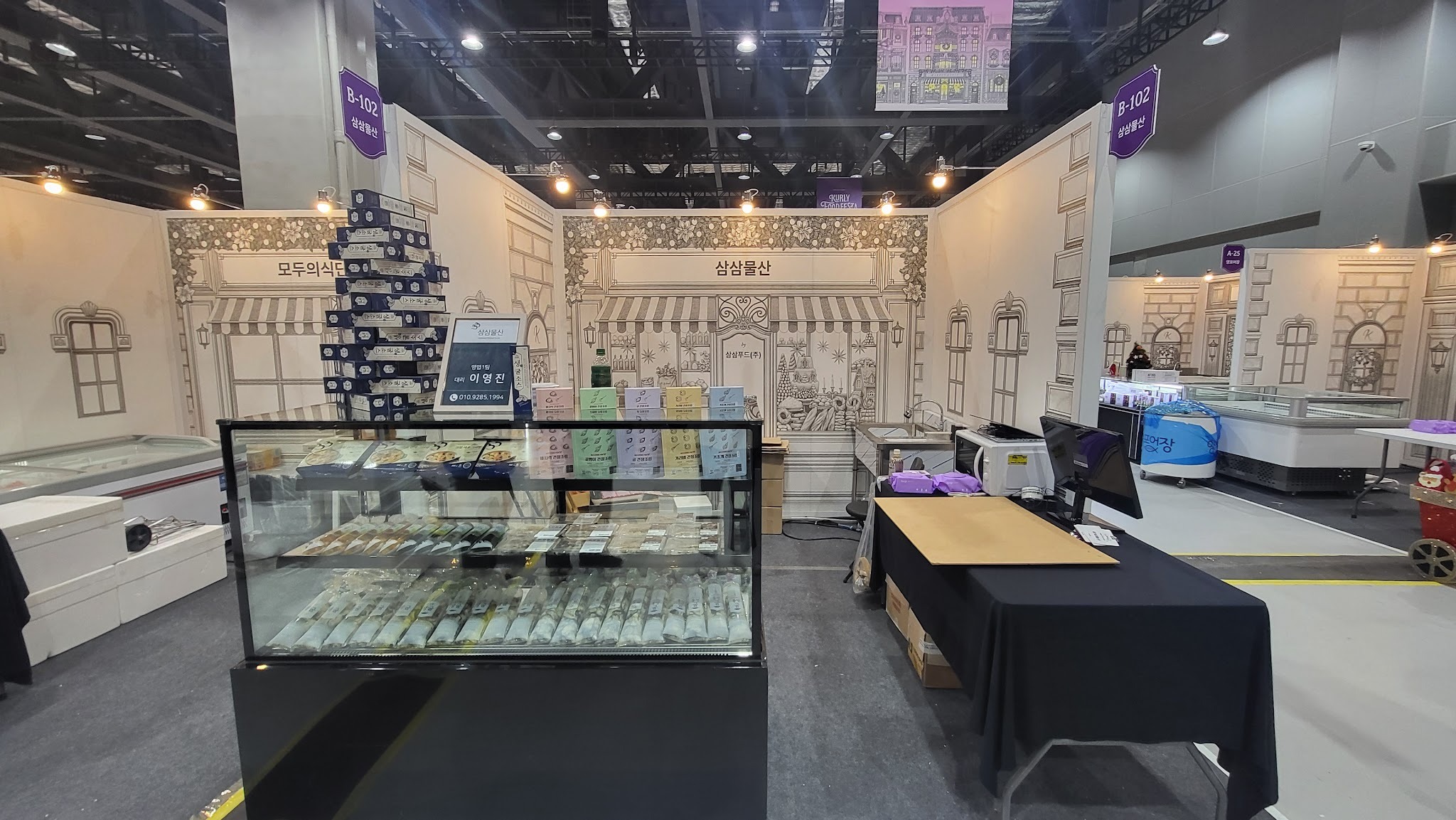
OEM is a method where the manufacturer produces according to the formulation and specifications set by the buyer, while ODM is a method where the manufacturer also handles product development. PB (Private Brand or Private Label) refers to products sold by a distributor or seller under their own brand. Since PB refers to the brand type of the product rather than the production method, PB products can be manufactured via either OEM or ODM.
When reviewing a transaction, verify who the brand operator is, which company determines the formulation and specifications, and who the actual manufacturer is. The fact that the manufacturer and seller indicated on the packaging are different does not alone determine whether a product is a PB product or whether it was produced via OEM or ODM.
OEM Production and Buyer Specifications
OEM (Original Equipment Manufacturing) is a method where the buyer sells products produced by the manufacturer according to the buyer’s formulation and specifications under their own trademark. In the food industry, the buyer determines the raw materials, formulation, weight, and packaging units and provides them to the manufacturer.
Even in the OEM method, the manufacturer may create prototypes for testing or suggest adjustments to the formulation. The scope of such manufacturer participation must be clearly defined in the contract in advance.
ODM Production and the Manufacturer’s Development Role
ODM (Original Design Manufacturing) is a method where the manufacturer develops the formulation and specifications and handles production once the buyer presents the desired direction for the product. For example, if a buyer requests a frozen food product for easy cooking, the manufacturer determines the formulation and specifications, creates a prototype, and proceeds with production after receiving approval.
Even for recipes developed by the manufacturer, ownership varies depending on the contract. The contract must distinguish between formulations originally held by the manufacturer and newly developed formulations. It should also be determined whether the buyer can use the new formulation at other factories.
Consulting on Prototypes and Manufacturing Conditions
Relationship Between PB Products and OEM/ODM
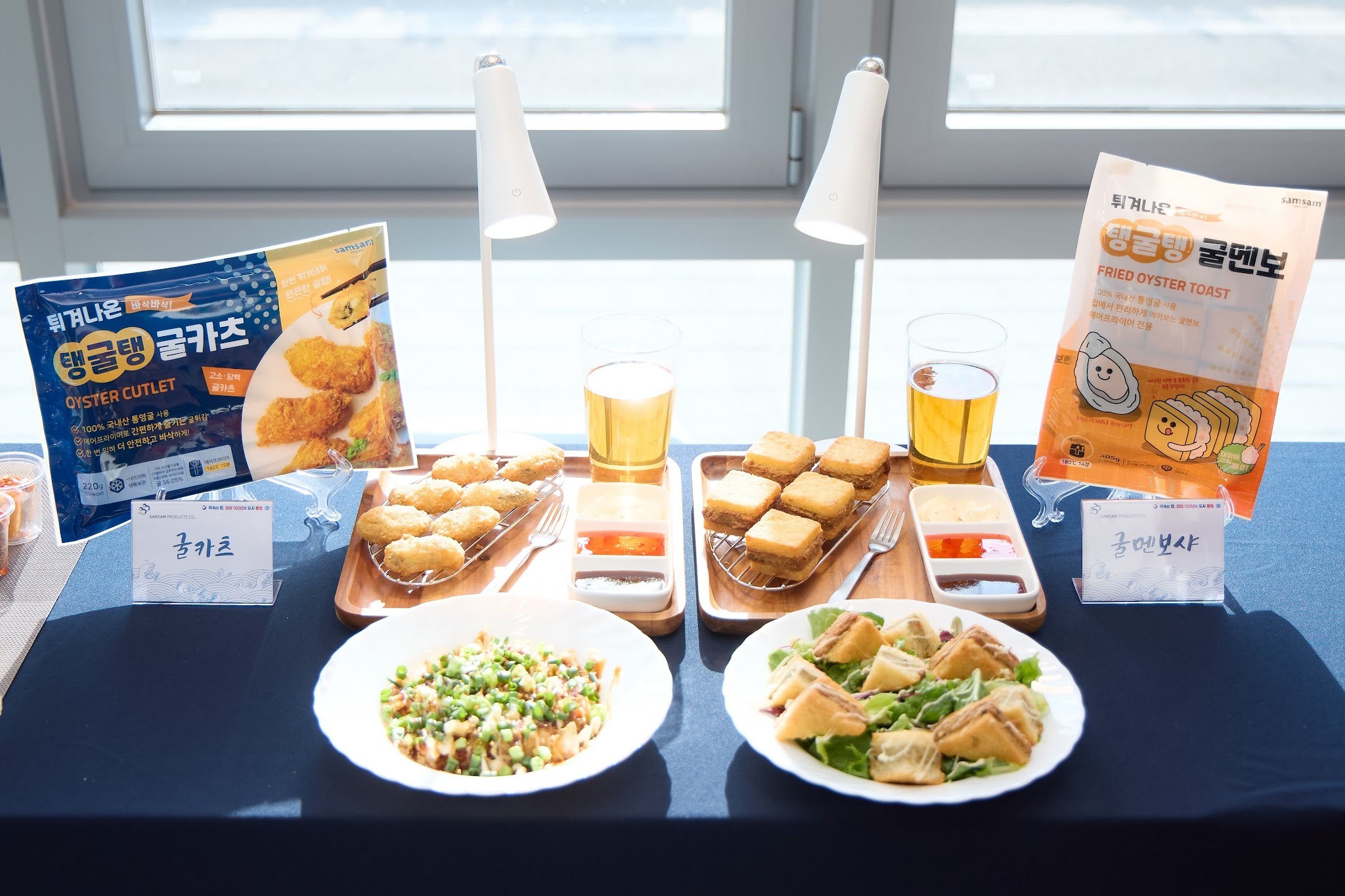
The production method for PB products is also divided based on the extent of what is entrusted to the manufacturer. If the distributor determines the raw materials and packaging specifications and only entrusts production, it is OEM; if they only present the desired product direction and entrust development as well, it is ODM.
Even within the same PB line, manufacturers may differ for each product, and OEM and ODM may be used together.
OEM, ODM, and PB Comparison Table
The following table summarizes what OEM, ODM, and PB refer to and the extent of what is entrusted to the manufacturer.
|
Category |
Distinguishing Factor |
Scope Entrusted to Manufacturer |
Brand |
|
OEM |
Production Outsourcing Method |
Production to Defined Specifications |
Buyer’s Brand |
|
ODM |
Development & Production Outsourcing Method |
Product Development and Production |
Buyer’s Brand |
|
PB |
Brand Type |
Determined as OEM/ODM per Product |
Distributor/Seller’s Private Brand |
Items to Verify Before Food OEM/ODM Contracts
If the raw materials, formulation, weight, and packaging units are already determined, first verify whether production is possible according to those conditions. If only the desired taste and cooking method have been decided, you must go through a development process to create prototypes while adjusting the formulation. Entrusting prototype development to the manufacturer is ODM, while entrusting only production with a formulation set by the buyer is OEM.
The initial unit price may exclude prototype development or packaging material costs, making it difficult to compare quotes based on unit price alone. Minimum order quantity (MOQ), lead times, and the number of prototype revisions must also be verified when receiving a quote.
The contract must specify who is responsible for reviewing labeling requirements and quality inspections, and under what conditions the brand will be used. Legal labeling obligations for product packaging vary according to the laws and regulations applicable to the specific item and transaction structure, regardless of the terms OEM, ODM, or PB.
The process from supplier selection to prototype development and initial production is summarized in ‘How to Commission Seafood OEM/PB‘.
Samsam Mulsan manufactures processed oyster products, and its affiliate Samsam Food handles culinary R&D and processed food planning and development. Contractible items, development scope, and minimum order quantities are negotiated based on the formulation and specifications requested by the buyer.
OEM, ODM, and PB Frequently Asked Questions
Is it ODM if only the packaging logo is changed?
A logo change alone is not the determining factor; the criterion is whose formulation is used for production. If a product already developed by the manufacturer is sold with the buyer’s logo attached, it can be considered ODM. If production uses the buyer’s original formulation and only the packaging is changed, it is OEM.
If development fees are paid, can the recipe be used at other manufacturers?
Even if development fees have been paid, the right to use the recipe is a separate matter. To use the recipe at other manufacturers, the contract must include a provision stating that the usage rights are included in the development fees.
Can the first order start with a small quantity?
Minimum order quantities vary by manufacturer and item, so they must be verified during the quoting stage. If you plan to start with a small first order and increase it later, you must also negotiate additional order conditions and who will store the remaining packaging materials.
Can a distributor’s PB be made with an existing recipe?
Yes. PB only indicates which brand the product is sold under; it does not mean a new recipe must be developed. If the distributor already has a recipe they can use, they can request production with that recipe, which would fall under the OEM method.
Consulting on PB Product Production
References
Ministry of SMEs and Startups, Delivery Price Indexation System FAQ
Korea Consumer Agency, PB Related Materials
Samsam Mulsan, Production Facilities
Samsam Magazine, “What Kind of Company is Samsam Mulsan?”
Samsam Magazine, “How to Commission Seafood OEM/PB”