Oyster & Seafood Glossary
GLOSSARYTerms that appear on product sheets and purchase orders but are rarely explained anywhere. We keep adding entries.
Meaning of Half-Shell Oysters and Differences Between In-Shell and Shucked Oysters
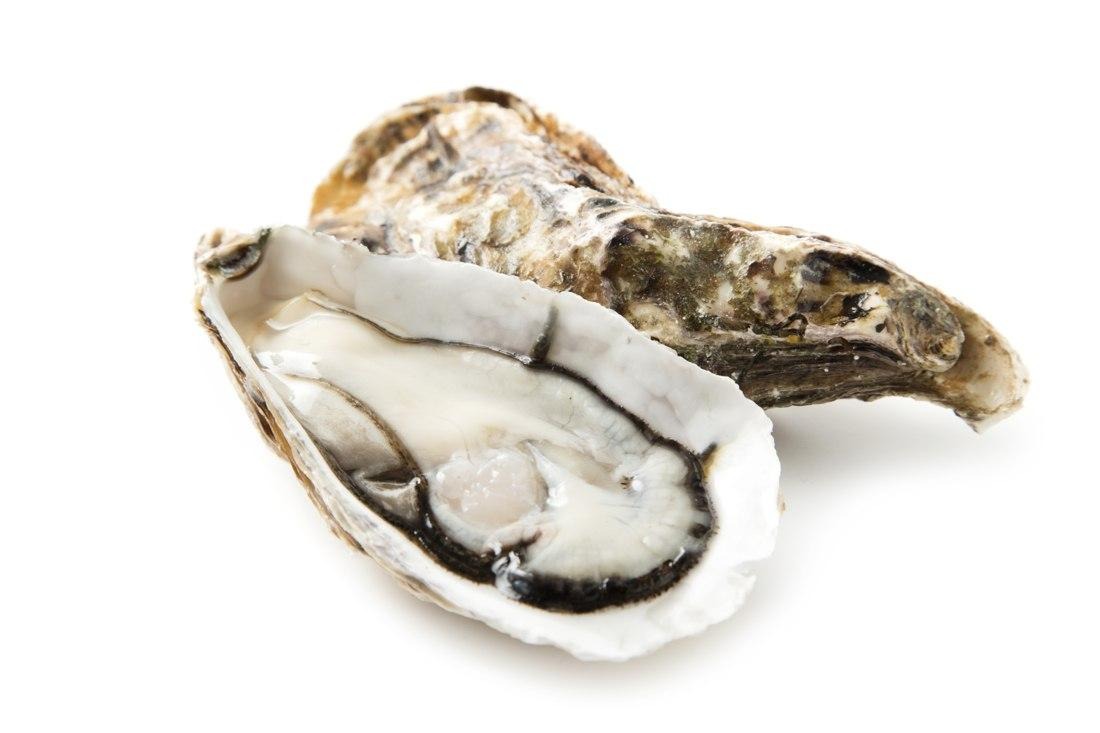
Half-shell oysters are oysters with only one side of the shell removed. In-shell oysters have both shells attached, while shucked oysters have no shells at all. Because half-shell oysters retain one shell, they are ideal for baking with cheese or sauces; however, whether they are suitable for raw consumption cannot be determined solely by their form.
Criteria for Distinguishing Half-Shell, In-Shell, and Shucked Oysters
Terms like in-shell, half-shell, and shucked oyster meat refer to the processing state rather than the species or origin. Accordingly, the suitable cooking methods vary.
Comparison of Forms and Applications: Half-Shell vs. In-Shell vs. Shucked Oysters
|
Oyster Form |
Shell |
Oyster Meat |
Primary Culinary Use |
|
In-Shell Oysters |
Both shells present |
Inside the shell |
Dishes cooked in-shell, such as steaming or roasting |
|
Half-Shell Oysters |
One shell present |
On the single shell |
Baking with toppings or dishes served in the shell |
|
Shucked Oysters |
None |
Meat only |
Dishes using only meat, such as pancakes, soups, or salads |
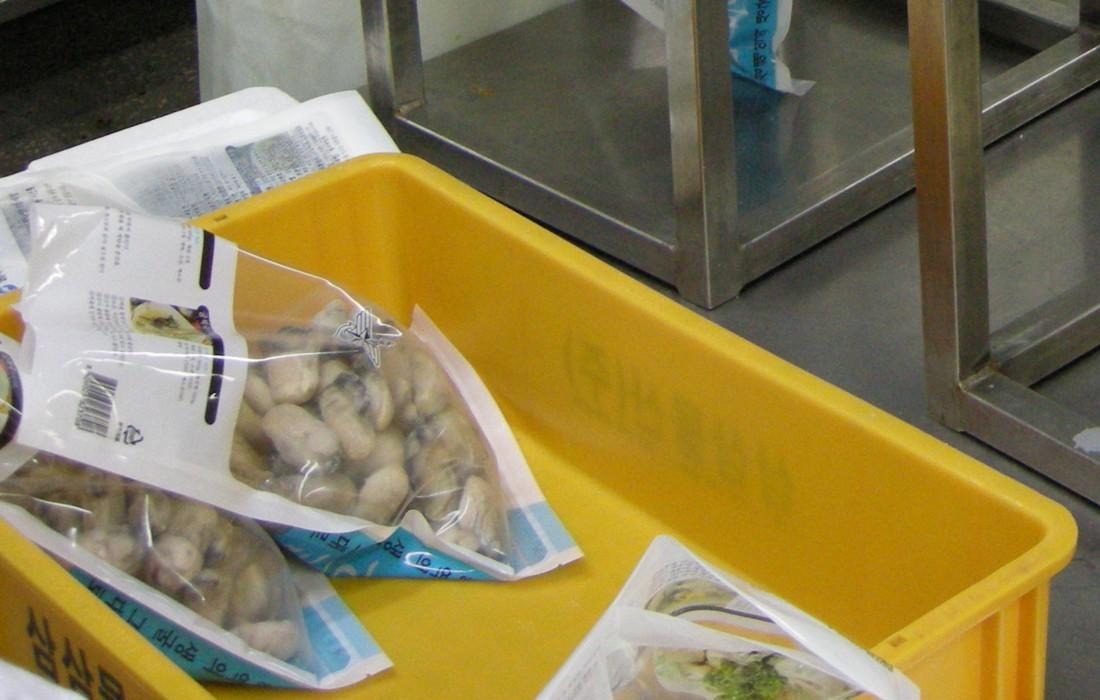
The shucking process for removing oyster shells can be verified in ‘What is Oyster Shucking and How is Hygiene Managed?‘.
Inquire about half-shell product specifications
Why half-shell oysters retain the cupped shell
The two shells of an oyster differ in shape. One side is deep and cupped, while the other is relatively flat. Half-shell oysters typically have the flat shell removed, leaving the cupped side which is better for holding the meat and juices. The meat is attached to the shell by a muscle called the adductor; this part is severed when opening the shell.
Representative dishes made with half-shell oysters
Typical dishes include Oyster Gratin and Oysters Rockefeller. Oyster Gratin is baked with white sauce and cheese on top of the meat. Oysters Rockefeller is traditionally baked with green vegetables, butter, and breadcrumbs, though variations using cream or garlic oil exist. Half-shell oysters are separated individually, making them convenient for single-portion plating.
Oyster handling and processing stages can be verified in ‘How do oyster processing steps differ by product?‘.
Consult on half-shell and shucked meat supply formats
Raw Consumption Suitability and Safe Intake of Half-Shell Oysters
Whether half-shell oysters can be eaten raw must be confirmed by checking the ‘For Raw Consumption’ or ‘For Cooking’ labels on the packaging. Oysters for cooking must be heated to a core temperature of 85°C or higher for at least 1 minute according to Ministry of Food and Drug Safety guidelines. For frozen half-shell oysters, follow the thawing and cooking instructions on the package.
The difference between raw and blanched oysters can be verified in ‘What are blanched oysters and how do they differ from raw or IQF oysters?‘.
Inquire about Oysters Rockefeller and other products
Frequently Asked Questions about Half-Shell Oysters
Is ‘bangak-gul’ the same as a half-shell oyster?
Yes, they mean the same thing. ‘Bangak’ (半殼) is a Sino-Korean term meaning ‘half-shell,’ while ‘half-shell’ is the phonetic transcription of the English term.
How can I tell if a half-shell oyster is cooked?
While in-shell oysters are often considered cooked when the shells open, this cannot be used for half-shell oysters as one shell is already missing. Following the cooking time and temperature specified on the packaging is the most accurate method.
What should I do if the shell tilts while grilling half-shell oysters?
If the shell tilts due to an uneven base, juices or sauces may spill. You can stabilize the shells by spreading coarse salt on the pan or creating supports with crumpled aluminum foil.
What is the difference between half-shell oysters and triploid oysters?
Oysters with three sets of chromosomes are called triploid oysters, but any oyster with only one shell remaining is referred to as a half-shell oyster, regardless of its chromosome count.
References
FAO, Materials on Oyster Handling and Processing
CDC, Vibrio and Oysters
Samsam Seafood Terminology Encyclopedia, Oyster Shucking
Samsam Seafood, Oyster Product Guide
FDA, Selecting and Serving Fresh and Frozen Seafood Safely
Ministry of Food and Drug Safety, How to Safely Eat Oysters in Winter (2025)
NOAA, Triploids or diploids?