Oyster & Seafood Glossary
GLOSSARYTerms that appear on product sheets and purchase orders but are rarely explained anywhere. We keep adding entries.
Designated Shellfish Production Areas for Export: Definition and Sanitation Standards
When researching oyster exports or sourcing information, the term ‘Designated Shellfish Production Area for Export’ frequently appears. However, the mere fact that oysters were produced in a designated area does not prove when or in which specific zone they were harvested, nor does it confirm they meet all export requirements. The designation system relates to the management of the waters where oysters grow; individual products and shipments must be verified through separate documentation. This article explains the meaning of designated areas, sanitation survey methods, differences from general areas, and the documents to review upon delivery.
Meaning and Purpose of Designated Shellfish Production Areas for Export
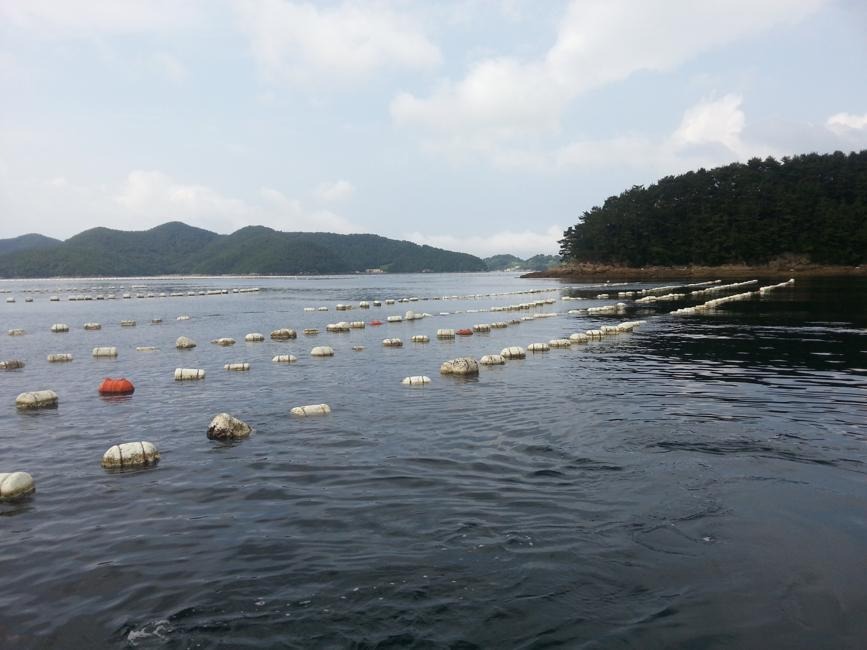
A Designated Shellfish Production Area for Export is a shellfish production zone managed according to the sanitation standards of importing countries. The Ministry of Oceans and Fisheries (MOF) designates these areas after investigating their sanitary conditions and conducts regular inspections thereafter. Because designation is granted on a per-area basis, it is separate from the food safety certification of an oyster processing plant or the quality of individual products.
Oysters filter plankton from seawater, which means bacteria, viruses, and toxins present in the water can accumulate in their bodies. For this reason, managing the water quality and surrounding pollution sources of the sea where oysters grow is critical.
Inquire about Export Oyster Documentation
Sanitation Surveys and Harvest Management in Designated Areas
Sanitation management in designated areas involves investigating microbial contamination levels in seawater and the sanitary status of shellfish, as well as inspecting land-based pollution sources. Sanitary conditions can fluctuate even within the same area due to heavy rainfall or sewage inflow. Management of these areas is based on the Memorandum of Understanding (MOU) on Sanitary Control of Fresh and Frozen Shellfish between the Korean government and the US FDA, and the FDA conducts on-site inspections to ensure this management system is functioning correctly.
Distinction Between Shellfish Sanitation Surveys and Shellfish Toxins
Seawater testing primarily uses bacteria such as E. coli as indicators to monitor contamination levels. However, these results alone cannot determine all risk factors for oysters. Since shellfish toxins accumulate within the oyster’s body, the oysters themselves must be harvested and tested separately.
Harvest Restrictions and Production Records in Designated Areas
Even in designated areas, harvesting may be temporarily restricted if sanitary issues arise. Therefore, it is important to know when and from which area the product was harvested. This can be verified by requesting the area name and harvest date records for a specific delivery from the supplier, using the lot number on the product packaging. How records are maintained from raw material intake to shipment can be confirmed in the Management Items by Oyster Processing Stage.
Differences Between Designated and General Shellfish Production Areas
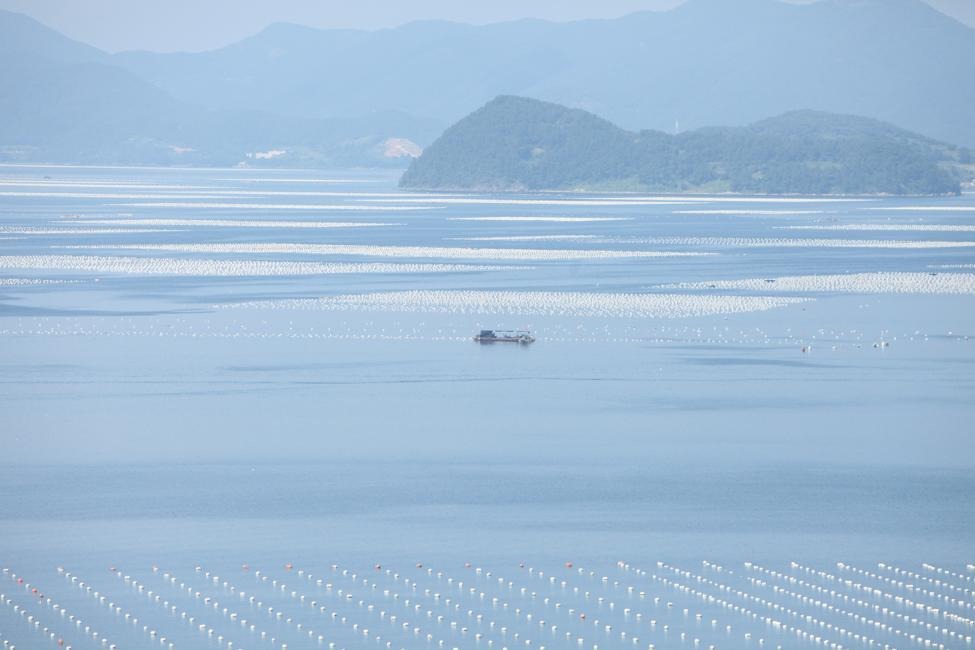
The difference between designated areas and general shellfish production areas lies in whether a separate sanitation management system for export is applied. Oysters produced in general areas can be sold if they meet domestic standards, and for oysters from designated areas, suitability for raw consumption must be confirmed via product labeling.
|
Category |
Designated Area |
General Production Area |
|
Management Purpose |
Sanitation management for export shellfish |
Domestic management applied to the area |
|
Survey & Management |
Regular survey/management per separate standards |
Application of relevant laws/standards by area |
|
Export Linkage |
Linked to export sanitation systems |
Designation alone does not prove export suitability |
|
Product Safety |
Does not automatically guarantee individual safety |
Non-designation does not prove unsuitability |
Distinguishing Designated Areas from Shipping and Export Documents
When trading oysters for export to the US, FDA facility registration and ICSSL listing are reviewed alongside designated area data. FDA Food Facility Registration is a procedure for registering facilities that manufacture, process, pack, or hold food; it is not a certification or export approval for a specific oyster product. The Interstate Certified Shellfish Shippers List (ICSSL) is a list of certified shellfish shippers published by the FDA, used to verify if a company is authorized to ship fresh or frozen shellfish to the United States.
|
Category |
Subject |
Information to Verify |
|
Designated Area |
Production area sanitation management |
Area name, harvest date, harvest restrictions |
|
FDA Food Facility Registration |
Manufacturing, processing, packing, holding facilities |
Registered facility name and address |
|
ICSSL Listing |
Certified shellfish shippers |
Company name, certificate number, activities |
|
Product Export Suitability |
Actual products and shipments |
Country-specific requirements, certificates, labeling |
When exporting, requirements of the importing country vary depending on the product form. Since the aforementioned Korea-US MOU covers fresh and frozen shellfish, boiled-frozen oysters (oysters frozen after cooking) must be checked against importing country standards separately.
Inquire about Shipping and Processing Documents by Product
Designated Area Labeling and Precautions for Consumption
Not all oysters produced in designated areas are for raw consumption. Whether they are for raw consumption or must be cooked should be confirmed by the information displayed on the product packaging. Oysters for cooking must be cooked thoroughly to the center, and oysters for raw consumption are safe only when consumed within the indicated storage temperature and expiration date.
Frequently Asked Questions Regarding Designated Shellfish Production Areas
Can I tell if oysters are from a designated area just by the origin label?
No, you cannot tell by the origin label alone. Origin labels usually list regional names at the city or county level, but designated areas are defined by narrower sea zones. The exact area name must be verified from the production records of the specific delivery.
Can I use designated area data received last year for this year’s delivery?
It can be used as data showing that the area was designated, but it does not represent this year’s delivery. This is because harvesting can be restricted depending on the period, even in the same area. The harvest date and area for oysters received this year must be verified by requesting the production records for that specific lot from the supplier.
Is the documentation incorrect if the seller and manufacturing facility names differ?
Not necessarily. The seller and the manufacturing facility that processed the oysters may be different entities. In such cases, verify with the supplier which facility processed the oysters and which company shipped them, then cross-check if those names match the companies listed in the FDA facility registration or ICSSL.
Where can I check the exact location and boundaries of designated areas?
They can be verified in official institutional data, such as Ministry of Oceans and Fisheries notifications and National Institute of Fisheries Science records. Since the number and size of designated areas can change, also check when the data was prepared. For oysters currently being traded, it is recommended to obtain the area name from the supplier and compare it with official records.
Do I need to check the ICSSL for oysters for domestic use?
If the oysters are distributed only within Korea, you do not need to check it. The ICSSL is a list of companies shipping shellfish to the United States. For domestic purchases, prioritize checking the raw consumption/cooking label on the product packaging, the origin, and the production history by lot.
Consult on US Export Eligibility Conditions
References
Ministry of Oceans and Fisheries, What is a Designated Shellfish Production Area for Export?
Ministry of Oceans and Fisheries, 2023 Sanitation Management Inspection Guide for Designated Shellfish Production Areas for Export
US FDA, MOU with the Republic of Korea Regarding the Sanitary Control of Fresh and Fresh-Frozen Shellfish
US FDA, Food Facility Registration Guide