Oyster & Seafood Glossary
GLOSSARYTerms that appear on product sheets and purchase orders but are rarely explained anywhere. We keep adding entries.
What is the Pacific Oyster? Scientific Name, Characteristics, and Habitat
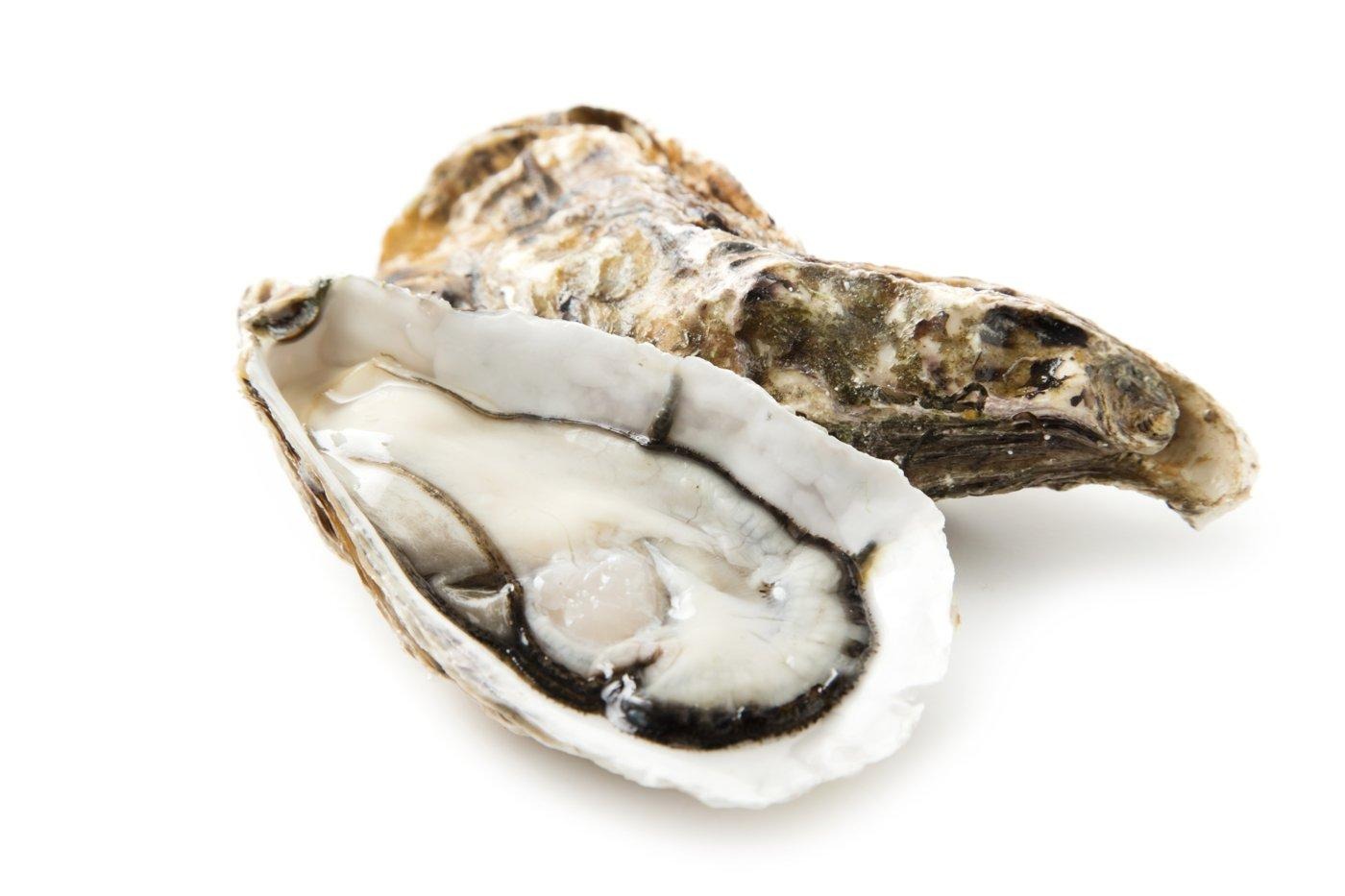
The Pacific oyster is a species of oyster that inhabits the sea, growing attached to rocks or other shells. Depending on the source, the scientific name may appear as Magallana gigas or Crassostrea gigas, and it is often confused with terms like ‘Seokhwa’ (shell-on) or ‘shucked meat.’ This guide summarizes the scientific name, shell morphology, habitat, feeding methods, and terminology based on processing forms.
Inquire about currently available oyster species
Scientific Name and Nomenclature Changes
The scientific name of the Pacific oyster is Magallana gigas, previously recorded as Crassostrea gigas. Both names refer to the same species; only the genus changed due to reclassification.
The Ocean Biodiversity Information System (OBIS) also lists Magallana gigas as the current scientific name.
Pacific Oyster Characteristics and Shell Morphology
The Pacific oyster is a bivalve with two shells, where one shell is deeply concave and the other is relatively flat. The shape of the shell can vary depending on the growth environment and the surface to which it is attached.
Pacific Oyster Habitat and Feeding Methods
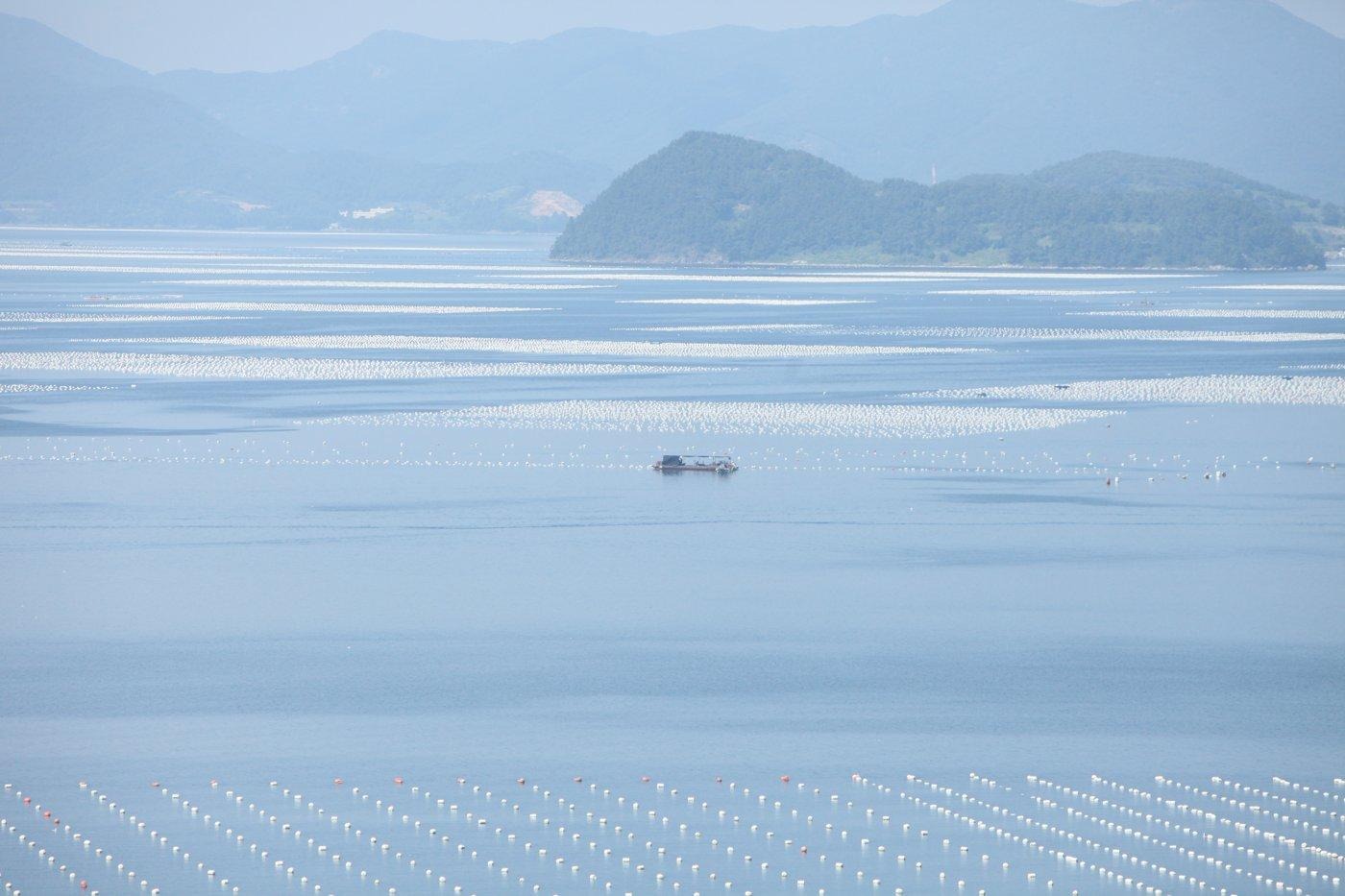
Pacific oysters inhabit both the intertidal zone, which is submerged at high tide and exposed at low tide, and the subtidal zone, which remains permanently submerged.
Pacific oyster larvae drift in the water before attaching to rocks or other shells to grow. Thereafter, they mostly remain in the same spot and filter-feed on phytoplankton and other nutrients in the seawater, a process known as ‘filter feeding.’
Check available supply items by oyster form
Differences Between Pacific Oysters, Iwagaki Oysters, and Flat Oysters
‘Oyster’ is a general term for several species, and the Pacific oyster is one of them. Pacific, Iwagaki, and flat oysters are distinct species with different scientific names. The table below provides the scientific names and shell morphologies described in literature for reference.
|
Species |
Scientific Name |
Shell Morphology (Reference) |
|
Pacific Oyster |
Magallana gigas (formerly Crassostrea gigas) |
Irregular long oval shapes also appear |
|
Iwagaki Oyster |
Magallana nippona (formerly Crassostrea nippona) |
Varies from oval to round shapes |
|
Flat Oyster |
Ostrea denselamellosa |
Generally described as round in shape |
Actual shell shapes are influenced by the growth environment. Even within the same Pacific oyster species, length and width can vary; therefore, it is difficult to distinguish species solely by photos based on whether they are elongated or round.
Why Pacific Oysters are Called Seokhwa or Shucked Meat
Oysters are named differently depending on how the shells are processed. If both shells remain, they are called Seokhwa or Gakgul (in-shell); if all shells are removed, they are shucked meat; and if only one shell remains, they are called half-shells. These names indicate the product form, not the oyster species.
Differences in processing methods by product form can be found in the Oyster Processing Guide. For details on the shucking process and hygiene management for shucked meat and half-shells, please refer to the Oyster Shucking and Hygiene Management Explanation.
Pacific Oyster FAQ
Are all Pacific oysters domestic (Korean)?
No. Pacific oysters are produced both domestically and abroad. Domestic origin must be confirmed through the product’s country of origin labeling.
Are Pacific oysters wild or farmed?
Pacific oysters inhabit the wild and are also produced in aquaculture farms. Therefore, the name ‘Pacific oyster’ alone does not determine whether it is wild or farmed.
Can shucked Pacific oysters be eaten raw?
The fact that shells have been removed does not certify that they are all suitable for raw consumption. You must check the label for ‘for raw consumption’ or ‘for cooking’ and follow storage instructions; oysters for cooking must be heated at a core temperature of 85°C or higher for at least 1 minute.
What is the difference between Pacific oysters and raw oysters?
‘Pacific oyster’ refers to a specific species, while ‘raw oyster’ refers to oysters that have not been heated. Therefore, the term ‘raw oyster’ alone does not identify the species.
Consult on Pacific Oyster Product Specifications
References
Ocean Biodiversity Information System (OBIS), Pacific Oyster Scientific Name and Classification Information
National Institute of Biological Resources, Dokdo Species Inventory: Scientific Names for Pacific, Iwagaki, and Flat Oysters
FAO, Biological Characteristics and Shell Morphology of Korean Pacific Oysters
NOAA Fisheries, Appearance, Habitat, and Filter Feeding of Pacific Oysters
NOAA Ocean Service, Attachment and Growth of Oyster Larvae
Ministry of Food and Drug Safety, How to Safely Eat Oysters in Winter
Global Biodiversity Information Facility (GBIF), Scientific Name and Synonym Information for Iwagaki Oysters