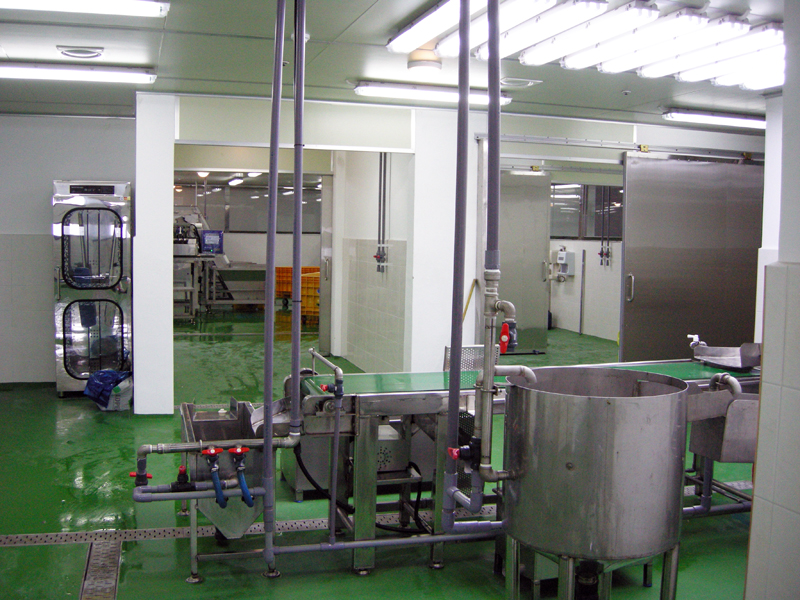
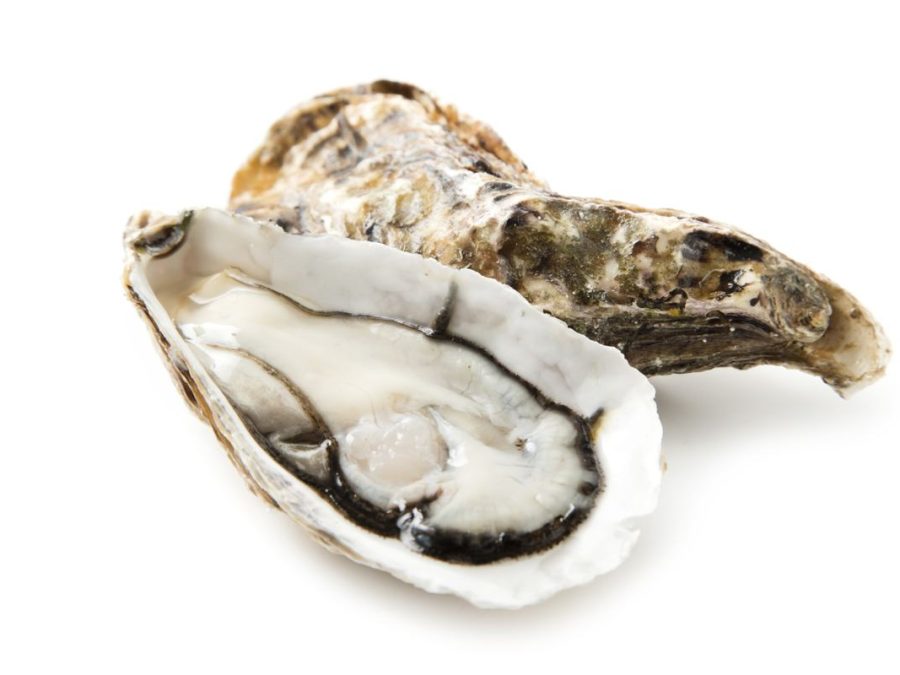
For foodservice, distribution or product development, specify shell form, heat state, freezing, glaze, size, pack and use separately. IQF, block-frozen and cooked describe different attributes, not competing categories. Compare quotations on the same accepted edible-weight basis, then test each format against your operating needs.
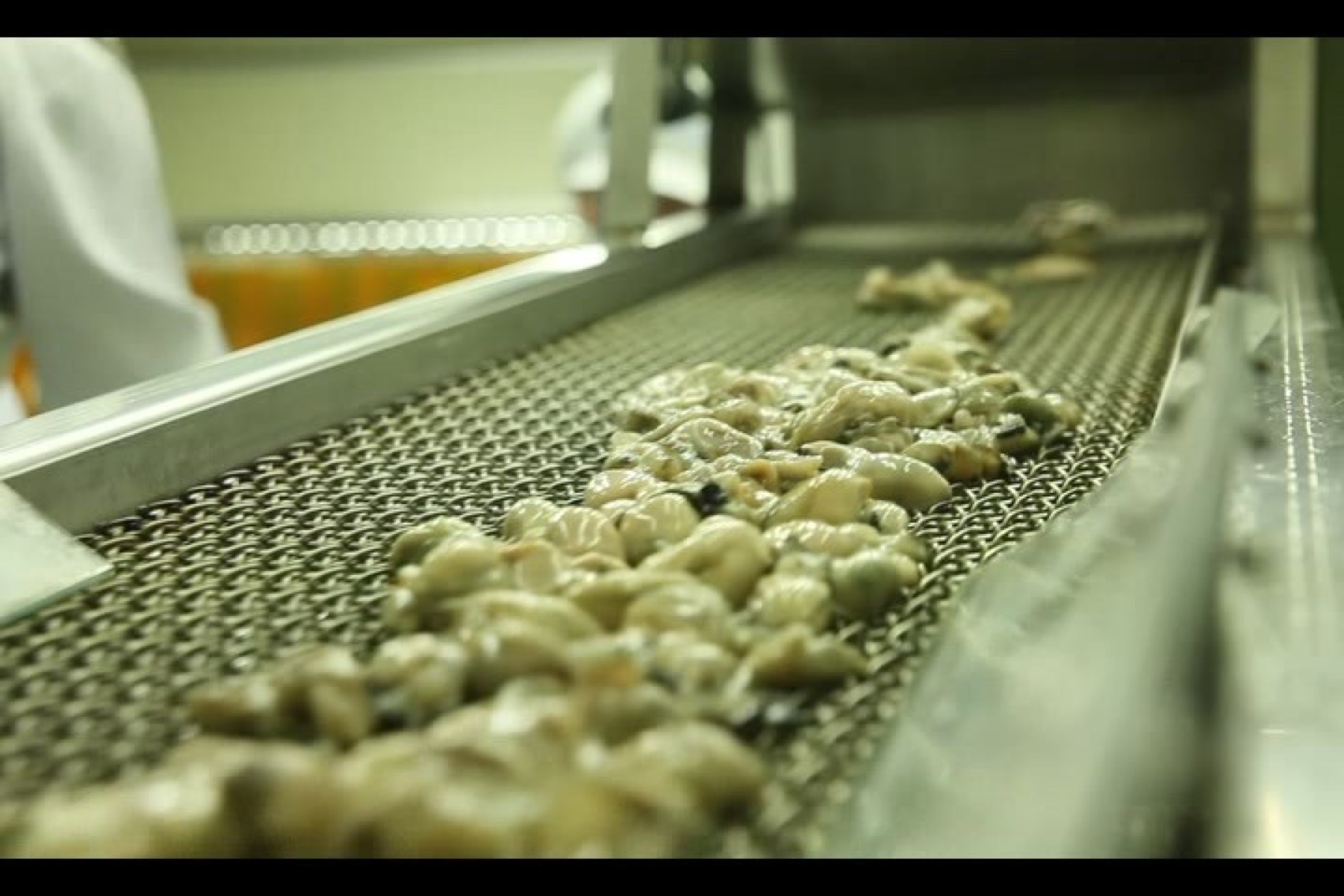
Photo supplied by Samsam Mulsan as an oyster-sorting stage. Chilled, frozen or cooked status and grading specifications must be confirmed from product documents.
Photo supplied by Samsam Mulsan · Company-provided source
Which frozen format fits the operation?
Codex defines quick freezing and frozen-state control.[1] For handling, IQF allows portioning while blocks suit batch thawing. Neither indicates heat treatment or RTE status.
|
Format |
Best operational fit |
Required evidence |
|
Raw IQF meat |
Flexible portioning |
Raw status, count basis, clump limit, glaze |
|
Raw block-frozen meat |
Planned batch use |
Block dimensions, liner, purge, thaw method |
|
Cooked IQF meat |
Portioned heat-treated input |
Full/partial cook, RTE status, process record |
|
Cooked block-frozen meat |
Central-kitchen batches |
Heat treatment, block weight, further-cook intent |
“Cooked frozen” does not establish RTE status. Check the process, post-cook controls, label and use. These distinctions also affect import requirements; see the U.S. and Canada import screening guide.

Illustration of checking requirements and supporting records. Illustrative stock photography, not evidence of SAMSAM products, facilities, certifications or Korean origin.
Photo: Jakub Żerdzicki / Unsplash · License
What makes a complete purchase specification?
State species, origin, processor, shell form, heat and RTE status, freezing arrangement, ingredients and allergens.
For size, define the basis, deglazing point, sample and tolerance. Set limits for shell, damage, discoloration, clumps, odor and foreign material.
Glaze is not oyster meat. Codex addresses net weight exclusive of glaze.[2] FDA excludes glaze from declared frozen-seafood net weight; CFIA guidance uses edible contents excluding glaze for frozen glazed fish.[3][4] Keep gross and deglazed weights separate from purge and cooked-yield figures.
Specify pack dimensions, lot policy, temperature measurement point and action on deviations. Codex uses -18°C as a quick-frozen reference, subject to national tolerances.[1] Shelf-life and HACCP evidence must match the SKU and use.[5]
|
Field |
Buyer instruction |
Acceptance evidence |
|
Identity |
Species, origin, processor, shell form |
Label and establishment record |
|
Process |
Raw, partial/full cook; IQF/block |
Flow diagram and process record |
|
Size/defects |
Method, sample, tolerance, named defects |
Inspection sheet |
|
Weight |
Net oyster weight excluding glaze |
Deglazing and scale method |
|
Pack |
Inner pack, case, lot and pallet |
Packaging drawing and case label |
|
Cold chain |
Temperature and deviation rule |
Logger or receiving record |
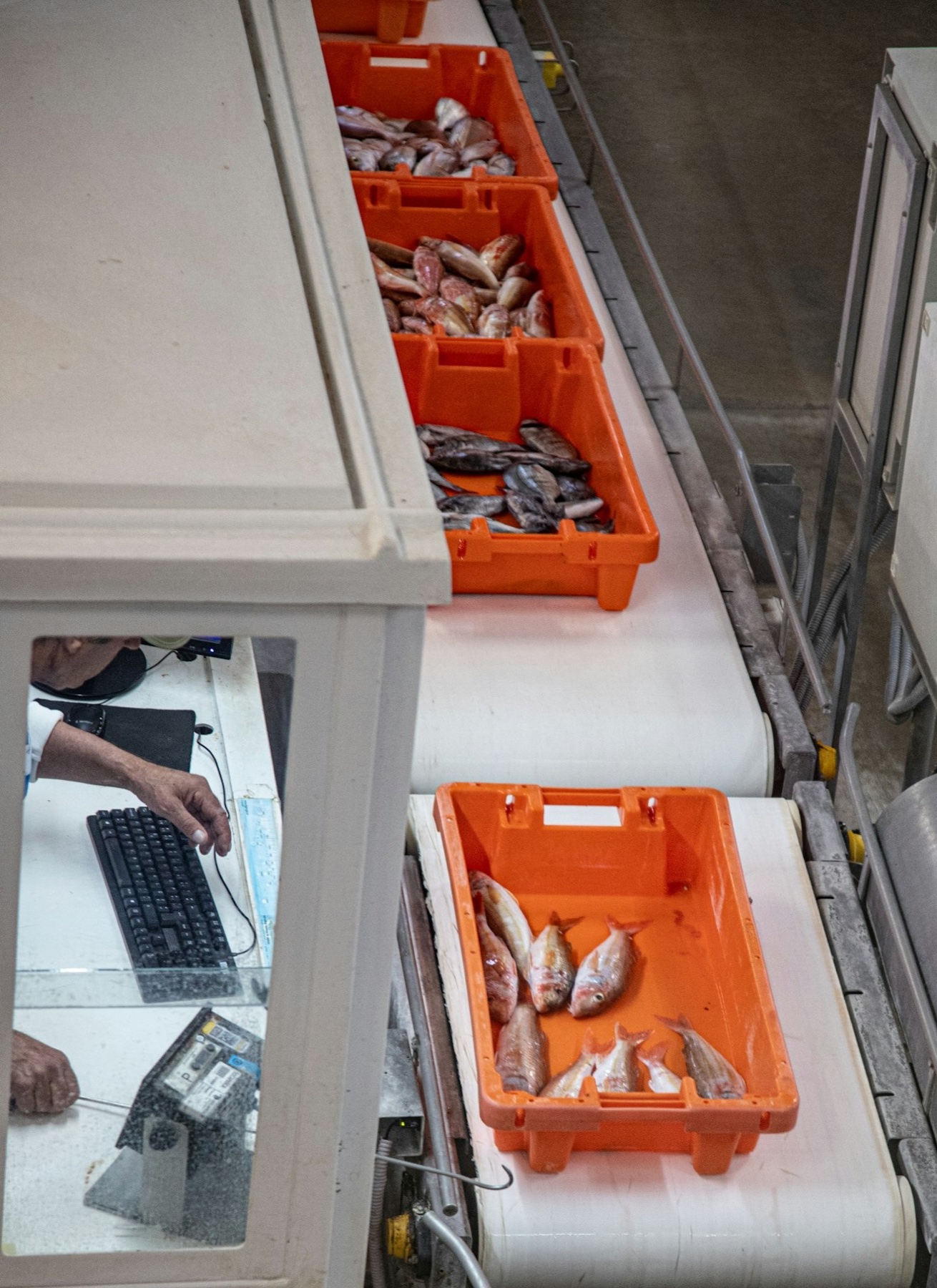
A seafood weighing example. Oyster net-weight and glaze assessments use separately agreed test conditions.
Photo: Bernd Dittrich / Unsplash · License
How should quotations be normalized?
Use the same quote fields for each supplier so gross case weight is not compared with deglazed weight.
|
Quote field |
Required entry |
|
Commercial basis |
Currency, price unit, Incoterm, named place, validity |
|
Order basis |
MOQ, lead time, shipment window, payment terms |
|
Case basis |
Gross weight, net oyster weight, inner packs, pallet count |
|
Product basis |
Exact format, size method, glaze tolerance, shelf life |
|
Records |
Processor/exporter names, agreed documents, label version |
|
Sample |
Production lot, test results and signed deviations |
Compare the price per accepted, deglazed kilogram. Show freight, duty, purge, cooking yield, rejects and labor separately.
How should samples be compared?
Use one protocol for gross/deglazed weight, count, defects, purge, sensory results, cooked yield and application. Keep lot codes and check that the quote, sample, label and process records describe the same product. For harvest records, see the Korean oyster origin guide.
Contact samsam with the destination, specification, volume, timing and comparison protocol. Confirm suitability and terms for that SKU.
FAQs
Is IQF always better than block-frozen?
No. Match portion flexibility or batch thawing to your usage pattern. Check size, clumping, yield and handling results separately from the freezing format.
Does IQF mean raw?
No. IQF means individually quick frozen. It describes freezing, not heat treatment; specify raw, partially cooked or fully cooked status separately.
Does fully cooked automatically mean ready-to-eat?
No. Confirm process, post-cook controls, label and intended use.[5]
Should glaze count toward declared net oyster weight?
No. The cited U.S. and Canadian guidance excludes glaze.[3][4]
Is a count grade comparable without a test method?
No. Define weight basis, deglazing point, sample size and tolerance.
Which yield figure should be used in quote comparison?
Use deglazed weight for edible-weight price, then track thaw purge and cooked yield separately.
Can case price alone identify the lower-cost product?
No. Include freight, duty, losses, rejects and labor on separate lines.
Should all suppliers use the same sample protocol?
Yes. Otherwise differences may reflect methods rather than products.
Can a sample approve a different production lot?
Not automatically. Check that the process, specification and records also cover that lot.
What should a buyer send for a comparable quotation?
Send one specification, volume and timing range, destination, quote grid and sample protocol.
Sources and verification
[1] Code of Practice for the Processing and Handling of Quick Frozen Foods (CXC 8-1976)
https://www.fao.org/fao-who-codexalimentarius/sh-proxy/ar/?lnk=1&url=https%253A%252F%252Fworkspace.fao.org%252Fsites%252Fcodex%252FStandards%252FCXC%2B8-1976%252FCXC_008e.pdf
Quick-freezing definition, cold-chain management and the -18°C reference for quick-frozen foods. · Source checked 2026-09-27
[2] Code of Practice for Fish and Fishery Products (CXC 52-2003)
https://www.fao.org/4/a1553e/a1553e00.pdf
Glazing controls, dehydration protection and net weight exclusive of glaze. · Source checked 2026-09-27
[3] FDA Letter to Seafood Manufacturers Regarding Including Glaze as Part of Frozen Seafood Weight
https://www.fda.gov/food/guidance-documents-regulatory-information-topic/guidance-industry-1991-letter-seafood-manufacturers-regarding-fraudulent-practice-including-glaze
U.S. position that glaze may not be included in declared frozen seafood net weight. · Source checked 2026-09-27
[4] Net quantity on food labels
https://inspection.canada.ca/en/food-labels/labelling/industry/net-quantity
Canadian drained-weight treatment of frozen glazed fish excluding glaze. · Source checked 2026-09-27
[5] Fish and Fishery Products Hazards and Controls Guidance
https://www.fda.gov/food/seafood-guidance-documents-regulatory-information/fish-and-fishery-products-hazards-and-controls
Product-specific Seafood HACCP hazard analysis and distinctions involving raw and cooked ready-to-eat seafood. · Source checked 2026-09-27