Before approving a purchase, importers and quality assurance (QA) teams should define the product specifications, verify the source and identify the responsible importer. This checklist is not legal advice or a guarantee of customs clearance or entry.

Illustrative stock photo of port logistics.
Photo: CHUTTERSNAP / Unsplash · License
Gate 1: What exactly is the product?
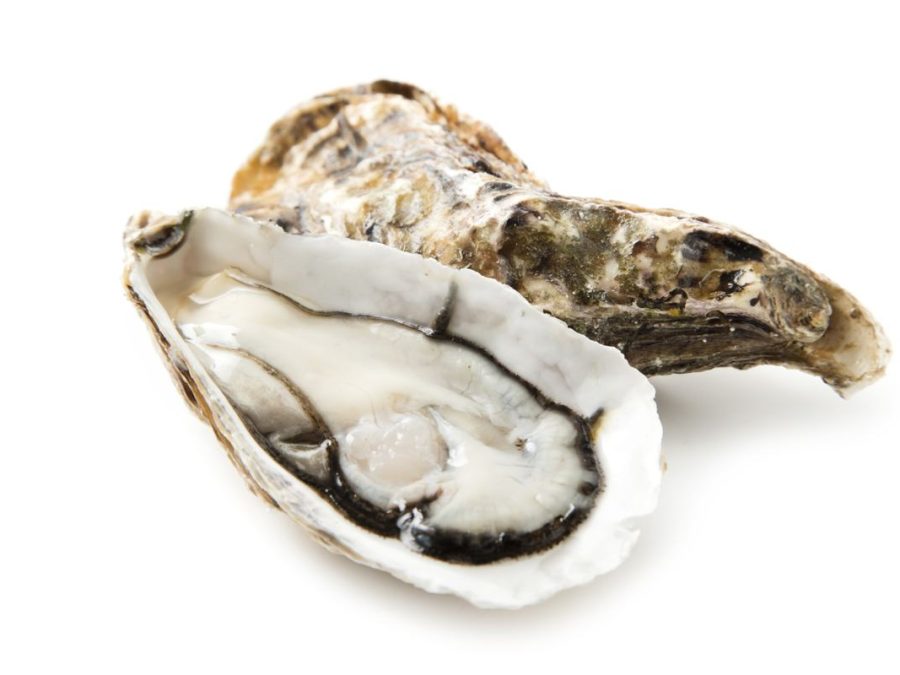
Record the species, shell form, whether the product is raw, partially cooked or fully cooked, processing and freezing methods, ingredients and intended use. These are separate specifications; no single descriptor covers them all. The Korean oyster format guide explains the distinctions.
The National Shellfish Sanitation Program (NSSP) covers raw molluscan shellfish—live, fresh or fresh-frozen—and defined post-harvest processed products. Cooked shellfish, products subject to 21 CFR Parts 113 or 114, and raw shellfish explicitly packaged for consumer cooking are generally outside its processing scope. Harvest or approved-source requirements and product-specific U.S. Food and Drug Administration (FDA) rules may still apply.
In the table below, Part 123 refers to the FDA’s seafood Hazard Analysis and Critical Control Point (HACCP) regulation.
|
Product |
U.S. screening focus |
Canada screening focus |
|
Live, raw shucked or raw half-shell |
NSSP source/dealer controls plus Part 123 |
Country, product and establishment eligibility |
|
NSSP post-harvest processed |
NSSP validation/dealer controls plus Part 123 |
Live/raw pathway and process evidence |
|
Fully cooked frozen |
Part 123 process and importer verification |
General fish controls; full-cook evidence |
|
Raw, packaged for cooking |
Generally outside NSSP processing scope; source duties may remain |
Live/raw pathway unless fully cooked |

Illustrative stock photo of a checklist review.
Photo: Jakub Żerdzicki / Unsplash · License
Gate 2: Who holds importer responsibility?
Under Part 123, the importer is the U.S. owner or consignee at the time of entry, or the responsible U.S. agent or representative of the foreign owner or consignee. A customs broker, freight forwarder or carrier ordinarily does not hold this role. Identifying the importer of record alone does not establish who is responsible under Part 123.
Under 21 CFR 123.12, importers must either rely on an applicable country agreement or implement written verification procedures that include product safety specifications and affirmative verification steps. The listed options include obtaining records or certification, inspecting the processor’s facilities, keeping an English-language HACCP plan on file, testing products, or using an equivalent measure. Written guarantees must also be obtained where the selected option requires them. These are alternative verification methods; they are not all required together.
The Foreign Supplier Verification Programs (FSVP) requirements do not apply when the foreign supplier is required to comply with, and complies with, Part 123. This exemption is conditional; importer verification duties under 21 CFR 123.12 still apply.
In Canada, importers need a Safe Food for Canadians (SFC) licence and must meet preventive control and traceability requirements.
Gate 3: Is the source currently eligible?
For raw or NSSP post-harvest processed products destined for the United States, check the Interstate Certified Shellfish Shippers List (ICSSL) and growing-area information. Match the dealer’s name, number and activity code to the shipment records. Registration, private certification or a previous successful entry does not constitute FDA approval or guarantee admission.
For Canada, check the Canadian Food Inspection Agency (CFIA) listings for the country, product and authorized establishment. Raw products intended for cooking remain subject to the live/raw requirements; the cooked-product exemption requires evidence that the product is fully cooked.
On 27 September 2026, CFIA listed Korea for shucked frozen oysters only, with named establishments. Recheck the listing for each purchase; it does not establish eligibility for other forms.
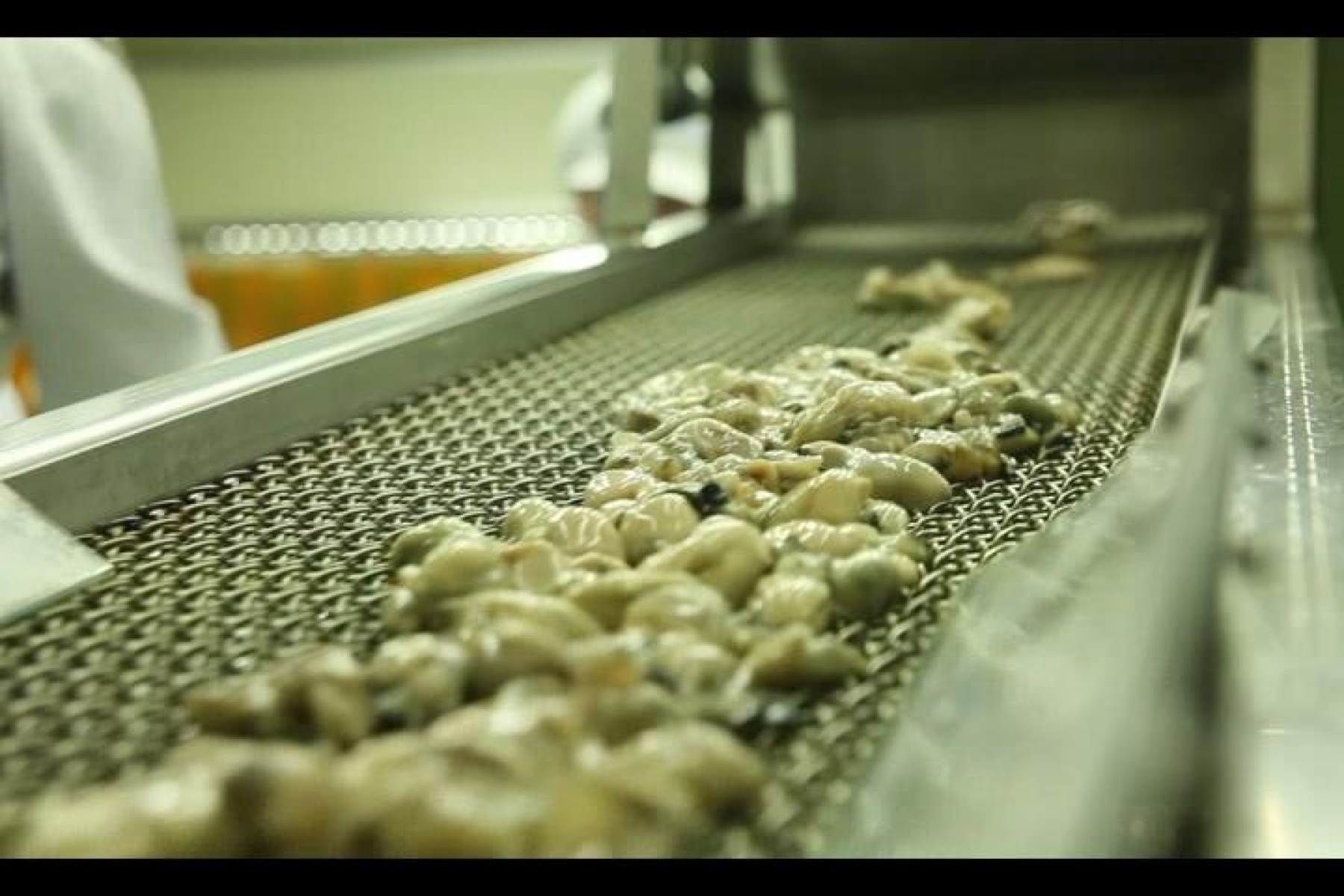
Oyster sorting.
Photo supplied by Samsam Mulsan
Gate 4: Do all records identify the same SKU?
Check for conflicts across these records:
-
specification: species, processing method, intended use, size, glaze and packaging;
-
parties involved: processor, exporter and responsible importer;
-
source: harvest area/date, official number and lot linkage;
-
process evidence: records supporting the selected verification method, plus evidence of full cooking if the product is described as fully cooked;
-
label: origin, allergens, quantity, storage and cooking instructions, and ready-to-eat (RTE) statements;
-
logistics: lot codes, temperatures and deviation records.
Resolve any inconsistencies before approving the purchase, and seek U.S. or Canadian advice specific to the transaction. Use the frozen oyster quotation guide to keep product descriptions consistent across quotations and supporting records.
When contacting samsam about a Korean oyster order, provide the destination, product form, processing method, volume, shipment timing and required source records. Confirm eligibility and commercial terms for the specific product and shipping route.
FAQs
Is the Part 123 importer always the importer of record?
No. One party may hold both roles, but each needs separate verification.
Can a customs broker serve as the Part 123 importer?
A customs broker is ordinarily excluded when acting only as a broker. If the broker also takes on a separate role, that role must meet the Part 123 definition of an importer.
Must every oyster product use the NSSP and ICSSL pathway?
No. Scope depends on raw, post-harvest processed or fully cooked status.
For U.S. imports, do explicit cooking instructions remove all source requirements?
No. A product may fall outside the NSSP’s processing scope while still being subject to harvest or approved-source requirements.
Does the seafood FSVP exemption remove importer verification?
No. The exemption is conditional, and importer verification duties under 21 CFR 123.12 still apply.
Are all Part 123.12 affirmative steps required for every shipment?
No. The regulation provides alternative routes under written procedures.
Does cook-before-eating packaging remove Canadian live/raw controls?
No. Raw products intended for cooking remain subject to Canada’s live/raw requirements; they do not qualify for the fully cooked exemption.
Does partially cooked product qualify for Canada’s cooked exemption?
No. Partial cooking is not full cooking. The exemption requires process evidence demonstrating a fully cooked product.
How should buyers check current Canadian eligibility for Korean oysters?
Recheck the CFIA country, product and establishment listings for each purchase. Match the product form and establishment to the listing rather than assuming that an entry for one oyster product covers other forms.
Do registration, certification or past entry guarantee admission?
No. They do not equal FDA approval, current eligibility or guaranteed entry.
Sources
eCFR, 21 CFR 123.12 – Special requirements for imported products
FDA, Seafood HACCP and the FDA Food Safety Modernization Act: Guidance for Industry
CFIA, Regulation of imported fish and seafood products in Canada
CFIA, Importing live and raw molluscan shellfish
eCFR, 21 CFR 123.3 – Definitions
eCFR, 21 CFR 1.501 – Foods Subject to Foreign Supplier Verification Programs