When comparing oyster and seafood suppliers, the most important step is verifying that the submitted documents match the actual products to be delivered.
Simply collecting certificates, quotes, test reports, and transport logs is not enough.
Procurement, quality, and product managers must review data based on the same product specifications and lots, then compare prices and lead times among suppliers that meet the necessary requirements.

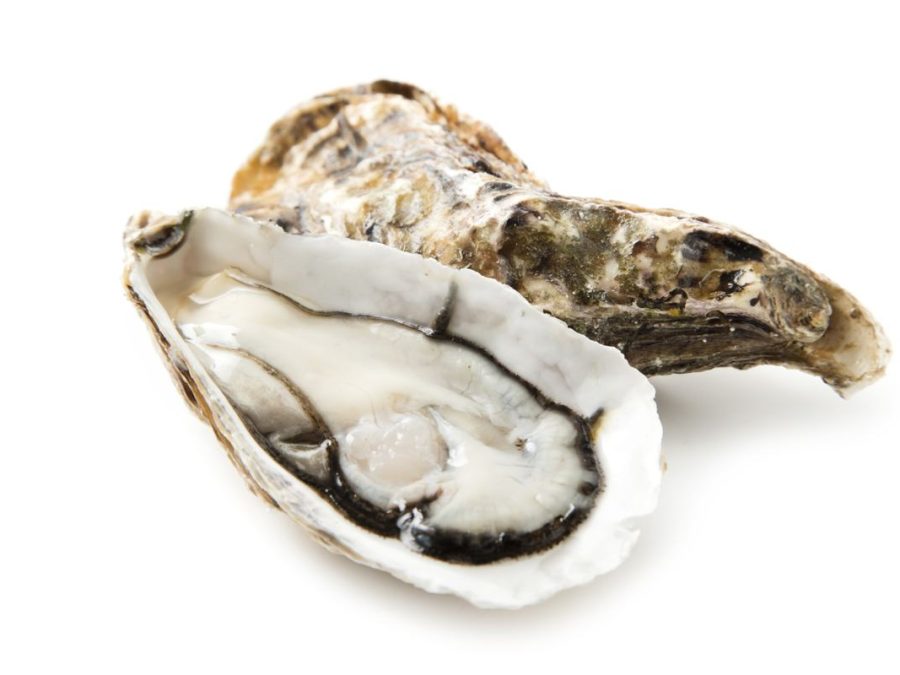
Photo: Jakub Żerdzicki / Unsplash · License
First, define the products and conditions for comparison
If the products and specifications proposed by each supplier differ, it becomes difficult to compare quotes and data. Clearly state the product form, whether it is raw or pre-cooked, refrigerated or frozen status, origin, net weight, size, packaging unit, expected volume, and delivery location in your Request for Proposal (RFP) to ensure all suppliers receive the same conditions.
| Status | Meaning | Next Action |
| Pass | Requested data matches the purchased items, facility, lot, and trade terms | Proceed to price and lead time comparison |
| Supplement | Some data is missing or the determination criteria are ambiguous | Assign a person in charge and a submission deadline |
| Halt | Critical defects such as certification scope mismatch, lack of traceability, or absence of deviation procedures | Suspend new orders until proof of correction is provided |
Each item should be reviewed and categorized as Pass, Supplement, or Halt according to the table above. Check whether the facility and items on the certificate correspond to the product being purchased, whether the lot indicated in the delivery data matches the specific shipment, and whether the contracted specifications are reflected in the inspection and claim forms.
Verifying Contracting Parties and Certification Scope
Distinguish between the contracting entity and the actual manufacturing facility
The entity providing the quote or contract may differ from the manufacturer. Cross-reference the corporate name and address on the quote, the manufacturer and distributor on the labeling, business license information, and the actual production address.
- Requested Data: Business information, licenses, manufacturer/distributor structure
- Pass Criteria: The contracting entity, labeling entity, and manufacturing address are consistently linked
Verify the facility, item, and process scope of the certification
Check processor information and HACCP certification on Food Safety Korea, and verify the registration scope of farms before production/shipment through the National Seafood Quality Management Service (NFQS). In HACCP-related documents, ensure that Critical Control Points (CCP), critical limits, monitoring, and records align with the actual process of the purchased product.
- Requested Data: Full copy of certificates, official search results, recent audit status
- Pass Criteria: Purchased items, actual manufacturing address, scope, and validity status all match
For FSSC 22000, read the system scope and transition schedule separately
FSSC 22000 is a Food Safety Management System certification that combines ISO 22000, sector-specific Pre-Requisite Programs (PRPs), and Scheme requirements. Verify the organization name, facility address, Scope Statement, and food chain category, but do not interpret it as approval for individual lots. Check the version transition schedule through official announcements.
- Requested Data: Certificate, official registration status, transition plan
- Pass Criteria: Facility, Scope, and registration status match the purchase conditions
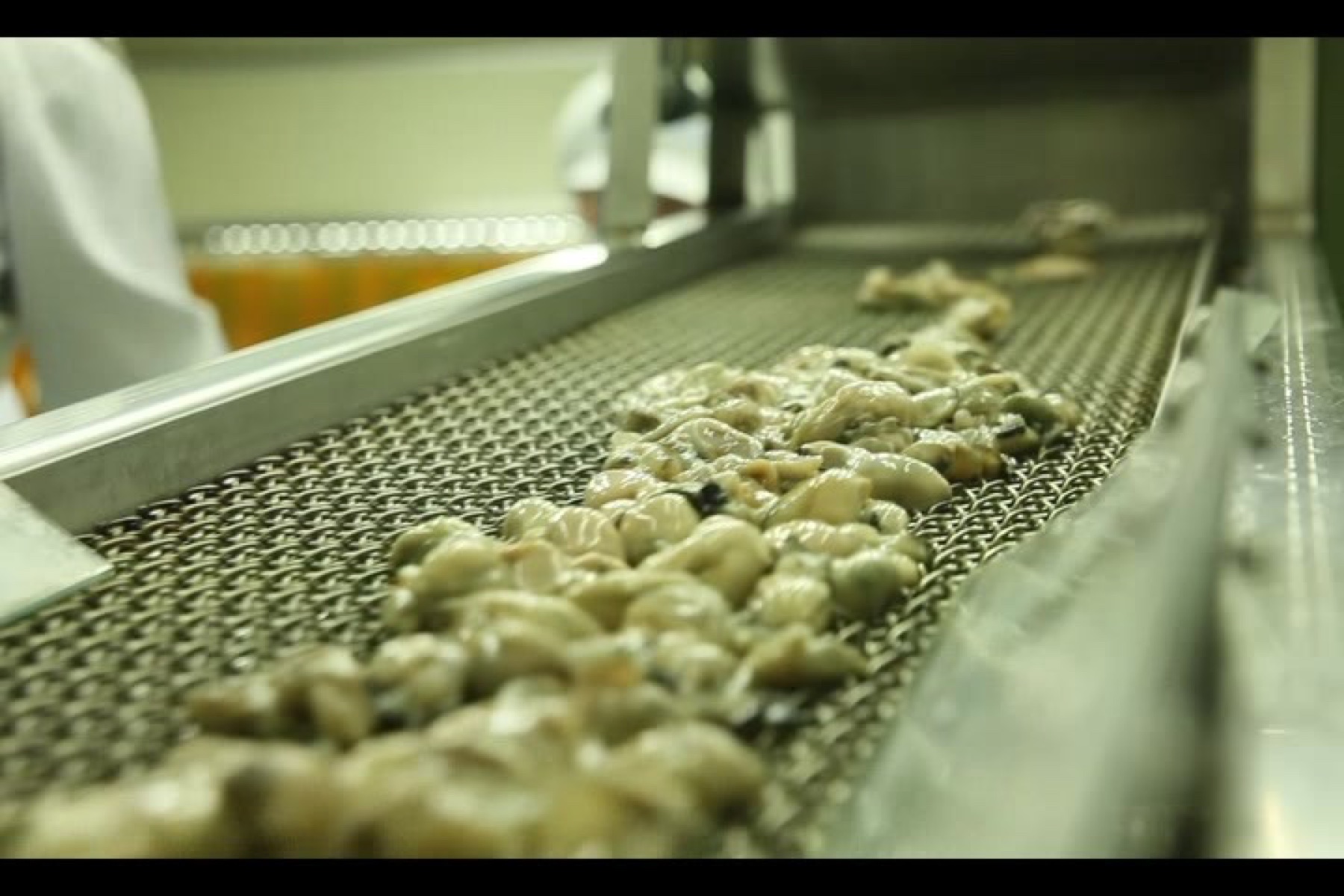
Photo of the oyster sorting process.
Photo courtesy of Samsam Mulsan
Verifying Raw Material, Production, and Shipment History
Trace back from raw materials to finished products within a single lot
When requesting traceability data, specify a recent lot of the intended delivery specification instead of a case chosen arbitrarily by the supplier. Cross-check if the oyster species, origin/production info, receiving date, supplier, raw material lot, production date, and finished product lot are all connected.
- Requested Data: Raw material specifications, receiving records, production records, transaction statements
- Pass Criteria: Used raw materials and evidence of receipt can be found from the finished product lot
Verify Forward/Backward Traceability and Quantity Reconciliation
Examine both backward traceability (finding raw materials from finished products) and forward traceability (finding finished products and shipping destinations from specific raw materials). Mock recall data must include the target lot, production/inventory/shipment quantities, time taken, and corrective actions.
- Requested Data: Lot numbering criteria, mock recall results, shipment history
- Pass Criteria: The scope of impact and shipping destinations are defined, and quantity differences can be explained
Align product processes with shipment inspection data
Raw oysters, frozen shucked oysters, pre-cooked oysters, and half-shells differ in form, heat treatment, and preservation status. Verify that the specification sheet, flow chart, HACCP plan summary, CCP records, and shipment inspection sheets all describe the same product. Do not judge suitability for immediate consumption based on the term ‘pre-cooked’ alone.
- Requested Data: Flow chart by product, CCP record samples, inspection plan, example test reports
- Pass Criteria: Inspection results are linked to the lot, and procedures exist to hold shipments in case of deviation
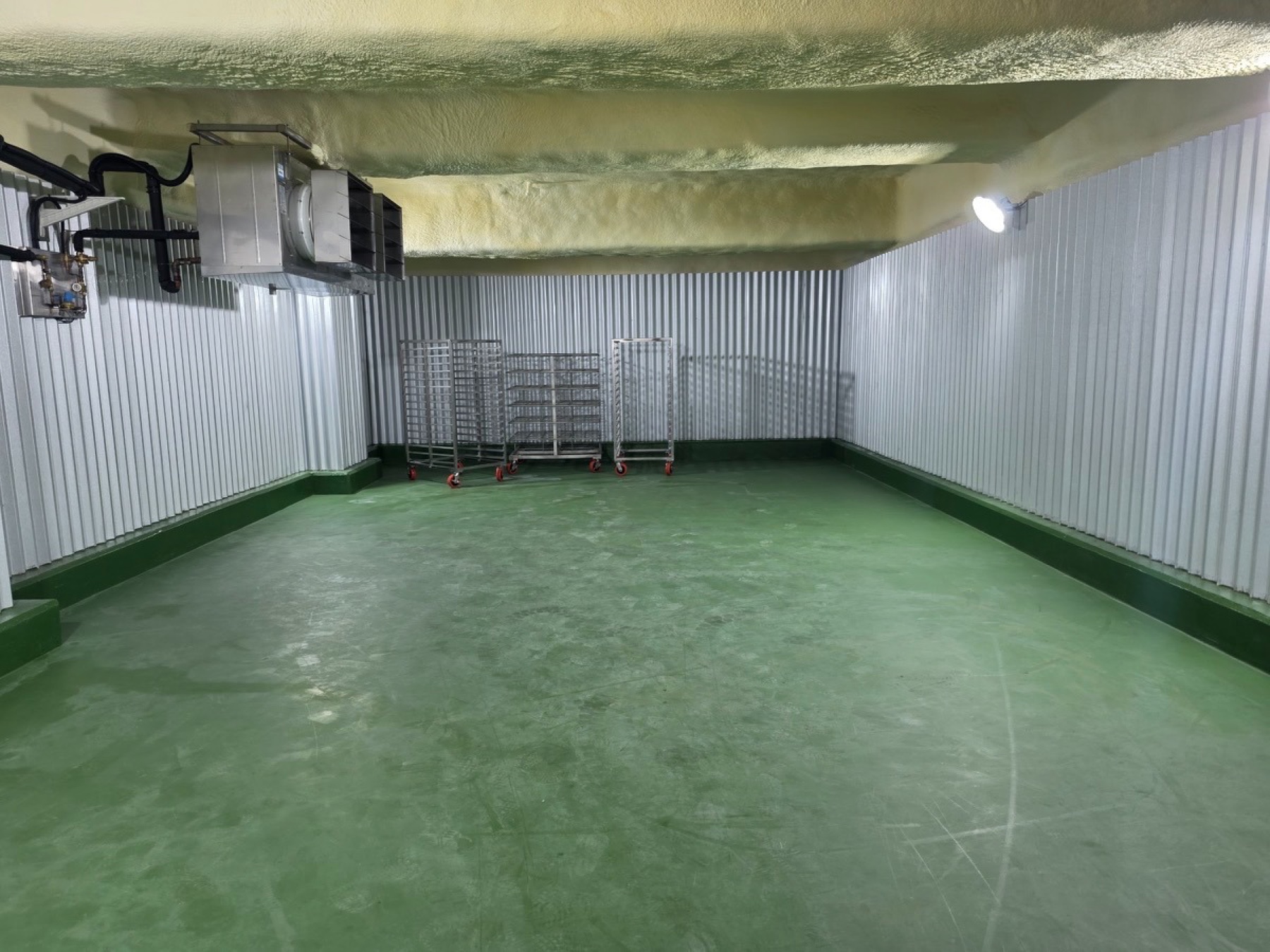
Photo of Samsam Mulsan’s refrigerated warehouse.
Photo courtesy of Samsam Mulsan
Verifying Delivery Specifications and Receiving Inspection Criteria
Convert specifications into measurable items
Include raw/pre-cooked status, shucked/half-shell form, size range or count, net weight, presence of glaze, thawing/drainage conditions, breakage allowance, and packaging units in both the specification sheet and the purchase order.
- Requested Data: Product specification sheet, labeling drafts, sample inspection criteria
- Pass Criteria: Both buyer and supplier can determine pass/fail using the same method
Link cold chain records with arrival inspections
Do not group refrigeration and freezing under a single temperature standard. Refer to Seafood Cold Chain Management Points to define measurement locations, frequencies, and instrument information for shipment, loading, transport, and arrival. Verifying the status of quick-frozen foods can be approached step-by-step: appearance, air temperature records, non-destructive measurement, and product temperature measurement if necessary.
- Requested Data: Temperature standards by item, vehicle logs, delivery temperature charts, calibration records
- Pass Criteria: Records are continuous across time periods, and measurement locations/methods are reproducible
Define procedures for products that fall outside specifications
Procedures for handling products when temperature, packaging, weight, labeling, or size deviate from standards must be established before contracting. Decide whether to return immediately or hold the product for evaluation by a quality manager, and designate the forms for the receiving staff and the person responsible for the final decision.
- Requested Data: Receiving inspection sheets, deviation determination charts, non-conforming product identification/segregation procedures
- Pass Criteria: Authority for holding, evaluating, approving, and returning for each deviation item is clear
Verifying Claim, Change, and Recall Responses
Pre-define the required evidence for claims
It is difficult to determine the lot and responsibility zone through photos alone. Record the product name/lot, quantity, time of discovery, packaging condition, arrival/storage temperature logs, whether unopened samples were preserved, and the quantity used/discarded in a standardized intake form.
- Requested Data: Claim intake form, evidence preservation standards, emergency contact network
- Pass Criteria: The initial notification timing and the data/samples required for investigation are defined
Verify root cause analysis and CAPA completion criteria
Define the response deadline, temporary measures, root cause analysis, corrective/preventive actions, and effectiveness verification in stages. Negotiations for replacements, returns, and costs must be recorded separately from food safety recall decisions.
- Requested Data: Claim procedures, CAPA forms, recall plans
- Pass Criteria: It is confirmed who decides what and when, and who approves completion
Receive notification of raw material, process, or facility changes before delivery
Include the notification timing and whether buyer approval is required in the contract for changes in origin, suppliers, raw materials, processes, manufacturing facilities, packaging, or specifications. For the first delivery after a change, cross-check if the updated specification sheet and verification data apply to that shipment.
- Requested Data: Change management procedures, example change notification forms, emergency supply plans
- Pass Criteria: Pre-notification deadlines, authorized approvers, and methods for handling old specification inventory are clear
Compare unit prices and lead times among suppliers that meet the conditions
Send the same specification sheet and 12-item checklist to 2–3 candidates. Compare unit prices, lead times, and change responses among candidates who meet the criteria for certification scope, lot traceability, shipment inspection, cold chain, receiving determination, and claim/recall standards. Rather than ranking certifications by name alone, you must examine the scope applied to the product and facility you intend to purchase.
When inquiring about supply from Samsam Mulsan, please provide the product form, preservation status, required volume, delivery location, and essential certifications. If you have receiving inspection criteria or specific data required for each lot, please share those as well. Available specifications and conditions can be confirmed during the consultation process.
Frequently Asked Questions
Is a copy of the HACCP certificate enough for the initial screening?
No. You must cross-reference the facility name/address and the applicable items/scope with the purchased product and official search results. Specification sheets, lot traceability, shipment inspections, and receiving determinations are separate requirements.
What documents should I cross-check if the seller and manufacturer are different?
Place the quoting/contracting entity, the manufacturer/distributor on the labeling, business licenses, and the actual manufacturing address in a single table. The contract should also specify who is responsible for claim intake, shipment approval, and recall notifications.
Can FSSC 22000 certified suppliers skip the delivery lot test reports?
No. FSSC 22000 certification demonstrates the scope of the management system but does not replace agreed-upon test results for individual lot weight, labeling, temperature, packaging, and testing. Test report issuance conditions and inspection frequencies are determined according to contract specifications.
What data should be verified before the first delivery?
Prioritize verifying the product specification sheet, manufacturing facility/certification scope, examples of raw material and finished product lot links, shipment inspection records, transport temperature log formats, receiving deviation procedures, and claim/recall contact networks.
Should I return the product immediately if the receiving temperature is out of range?
Follow the contracted determination procedure. After verifying the measurement location, method, continuity of records, and packaging condition, the designated person in the contract (e.g., QA) decides whether to hold, evaluate, or return. Do not arbitrarily process as normal or re-freeze at the site.
Do I need to receive a test report for every delivery?
It cannot be uniformly decided that every item must be tested for every lot. Determine the items and frequency based on item risk, legal/customer requirements, supplier inspection plans, and contract specifications, and verify that the results are linked to the delivered lot.
Can I file a claim with only a photo of the specification deviation?
It helps initiate the process, but it may be insufficient for determining the cause and responsibility zone. You must also provide the lot, quantity, time of discovery, packaging and temperature logs, storage status, and whether an unopened sample is available.
What is the first thing to look for in mock recall data?
Check if the target lot can be found bidirectionally (raw materials and shipping destinations), if production/inventory/shipment quantities match, and if the time taken to completion and improvements for any omissions are recorded.
Can I conditionally approve the candidate with the lowest price?
You must distinguish between the possibility of supplementing core evidence and defects in food safety or traceability. ‘Halt’ items such as certification scope mismatch, lack of traceability, or absence of receiving deviation procedures should not be offset by price; re-evaluate after proof of correction is provided.
Do I need to receive all the same documents during contract renewal?
Verify the mutual consistency of existing data while updating expiration dates, facility/item scopes, changes in raw materials/processes/packaging, recent deviations/CAPA, and mock recall results. Re-align specification sheets and approval records if changes have occurred.
References
- National Law Information Center, Food and Livestock Safety Management Certification Standards (HACCP)
- Food Safety Korea, Company Search
- FSSC, FSSC 22000 Food Safety Certification Scheme
- FSSC, General FAQs for FSSC 22000 Version 7
- FAO·WHO Codex Alimentarius, Recommended International Code of Practice for the Processing and Handling of Quick Frozen Foods (CXC 8-1976)
- National Seafood Quality Management Service (NFQS), Aquaculture HACCP