Korean oysters are sold in several forms, from shell-on and half-shell oysters to fully shucked meat. To understand how these products differ, it helps to look at the species, growing area and harvest season alongside the way the oysters are processed. These features give buyers a clearer basis for comparing offers and choosing a suitable product.
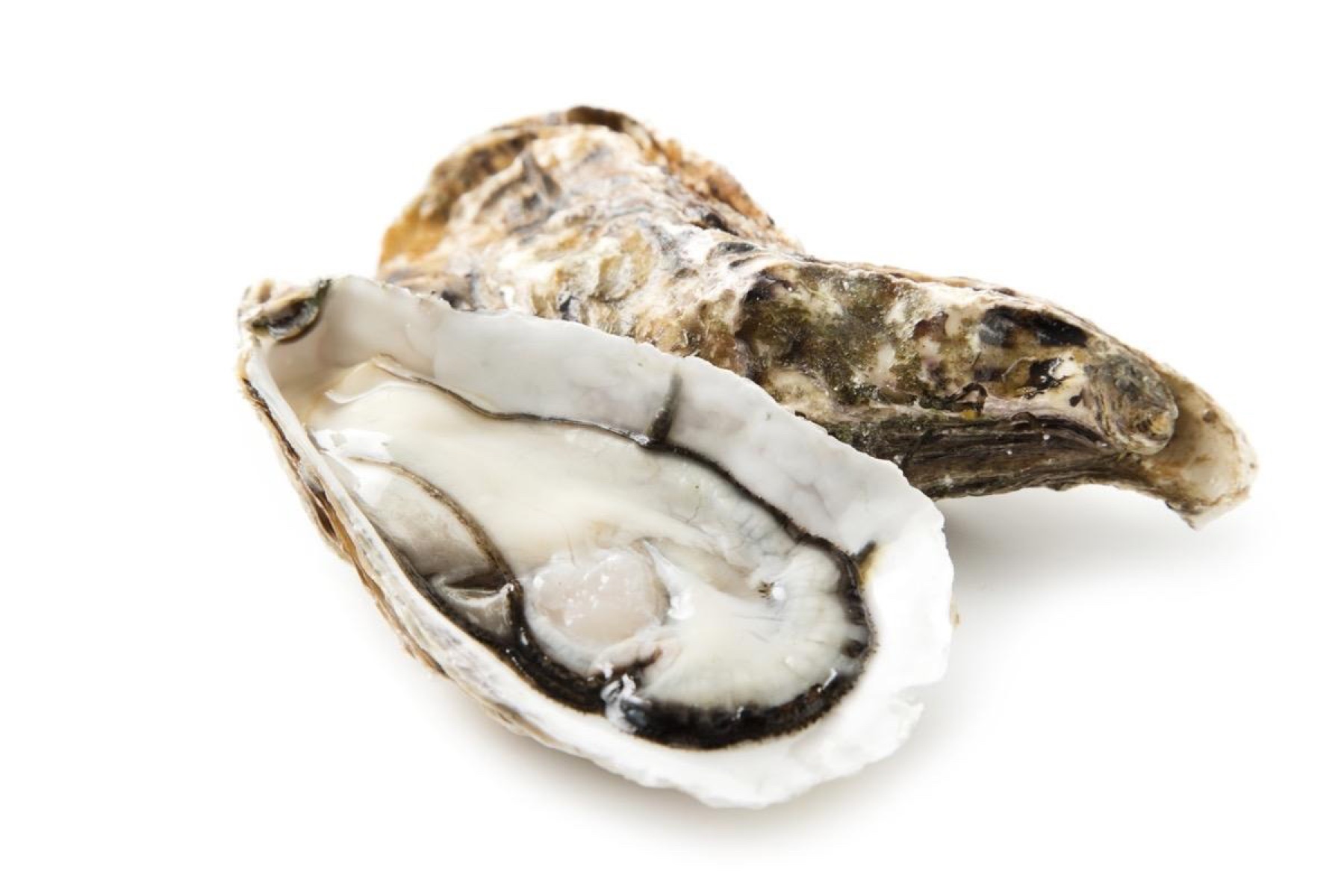
Close-up view of oysters.
Photo supplied by Samsam Mulsan
Which oyster species and growing areas are relevant to buyers?
The main oyster associated with Korean aquaculture is the Pacific cupped oyster, Magallana gigas, also recorded as Crassostrea gigas. Both names refer to the same species, so the scientific name helps buyers match a product description with its label and supporting documents.
FAO describes oyster seed-production areas along Korea’s southern coast, including Changwon, Geoje Bay, Namhae Island and Goheung, as well as raft and long-line culture methods. For a particular order, the harvest-area and lot records provide the specific origin information.
|
Identity field |
What to request |
Why it matters |
|---|---|---|
|
Species |
Scientific and common name |
Prevents name mismatch across documents |
|
Harvest origin |
Country, area code and harvest date |
Supports traceability and checks for the destination market |
|
Processor |
Legal establishment name and number |
Connects the SKU to official listings |
|
Lot history |
Harvest, processing and freezing dates |
Separates biological season from storage time |
With the species, harvest origin and processor identified, use the U.S. and Canada import screening guide for the next market-entry checks.
How does the season affect oyster condition?
The condition of oyster meat, including its fullness, changes through the reproductive cycle. FAO describes spawning from late June into early September, lower meat condition after spawning and a return to winter condition by November. These patterns help buyers interpret seasonal differences, although timing and condition vary between individual lots.
|
Period |
General biological context |
What to compare when sourcing |
|
November to February |
Winter meat condition |
Current lot sample, count and deglazed yield |
|
March to May |
Spring reproductive development |
Sensory limits and individual-weight distribution |
|
June to September |
Spawning and post-spawn variation |
Harvest date and lot-specific sample results |
|
Frozen stock at any time |
Product may come from an earlier harvest |
Harvest, freeze and storage dates |
For frozen offers, harvest and freezing dates help distinguish the original harvest season from time spent in storage. Compare sample results and shelf-life information for the product being quoted.
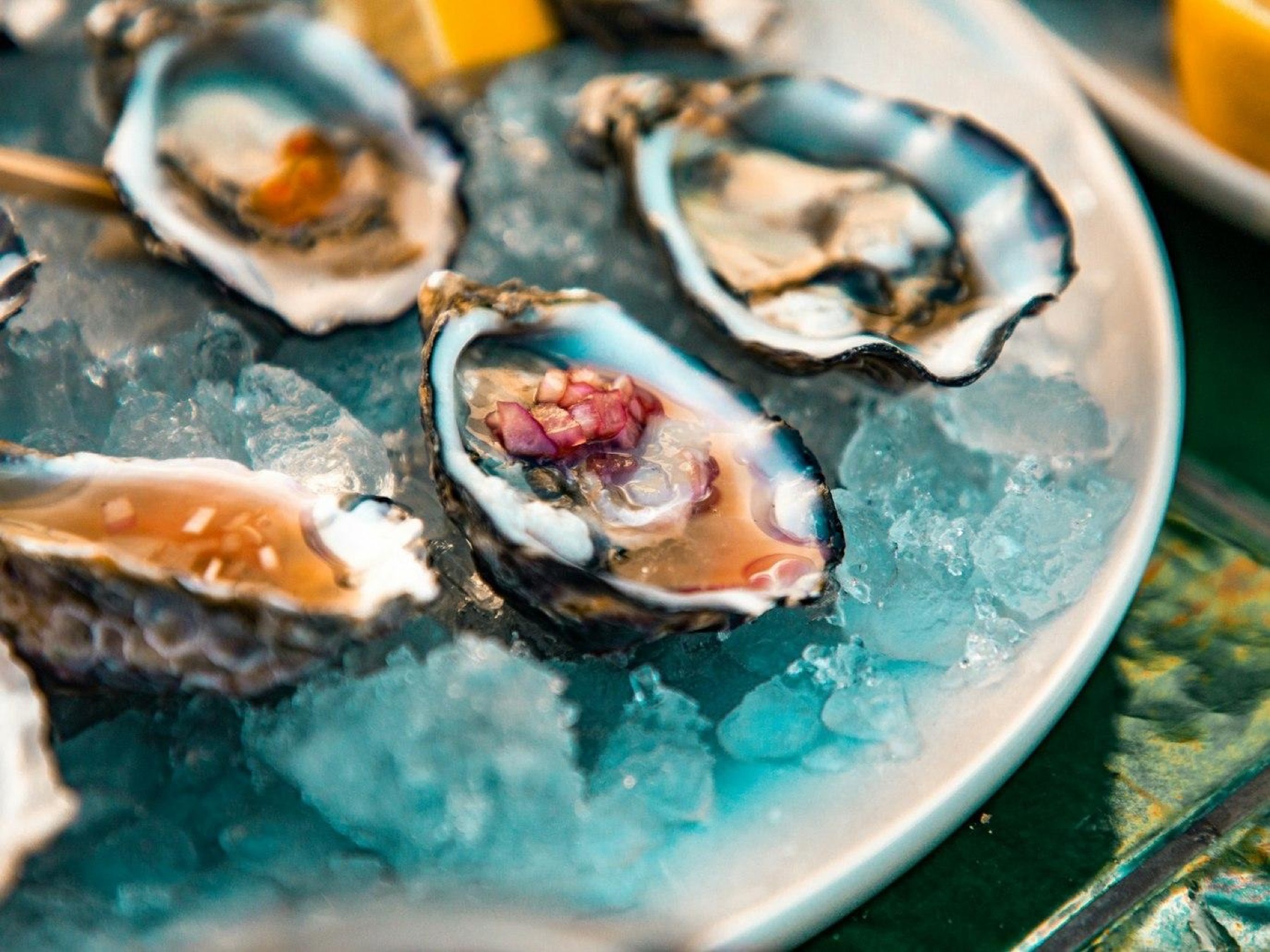
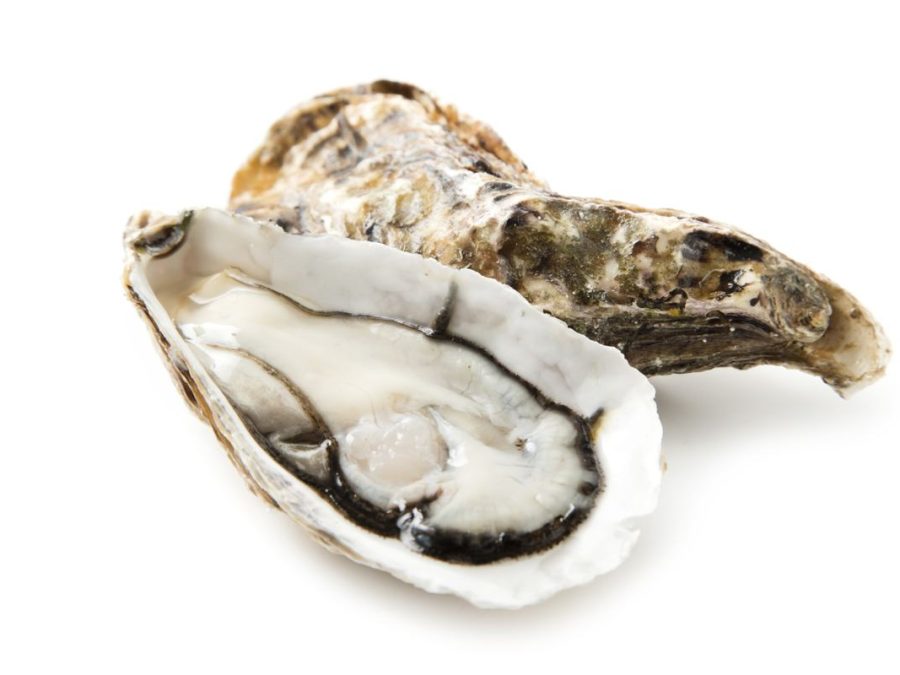
Half-shell oysters retain one side of the shell, unlike fully shucked oyster meat. Illustrative stock photo.
Photo: Anima Visual / Unsplash · License
What do the different product formats mean?
Product descriptions combine several different features: whether the oysters are shell-on or shucked, raw or cooked, and individually quick-frozen (IQF) or block-frozen. For example, half-shell, cooked and IQF can all describe the same product. Glaze and intended use add further detail. Codex describes quick freezing and frozen-state control, while origin and heat treatment are specified separately.
|
Dimension |
Typical options |
Read alongside |
|
Shell form |
Whole shell, half-shell, shucked meat |
Raw or cooked status |
|
Raw or cooked status |
Raw, partially cooked, fully cooked |
Intended use and process evidence for ready-to-eat (RTE) status |
|
Freezing method |
Individually frozen, block-frozen |
Species, harvest origin and raw or cooked status |
|
Surface protection |
Unglazed or glazed |
Net oyster weight or glaze percentage |
|
Intended use |
Raw consumption, further cooking, use as an ingredient |
Requirements in the destination market |
For size, glaze, yield, pack and quote details, use the frozen oyster specification guide.
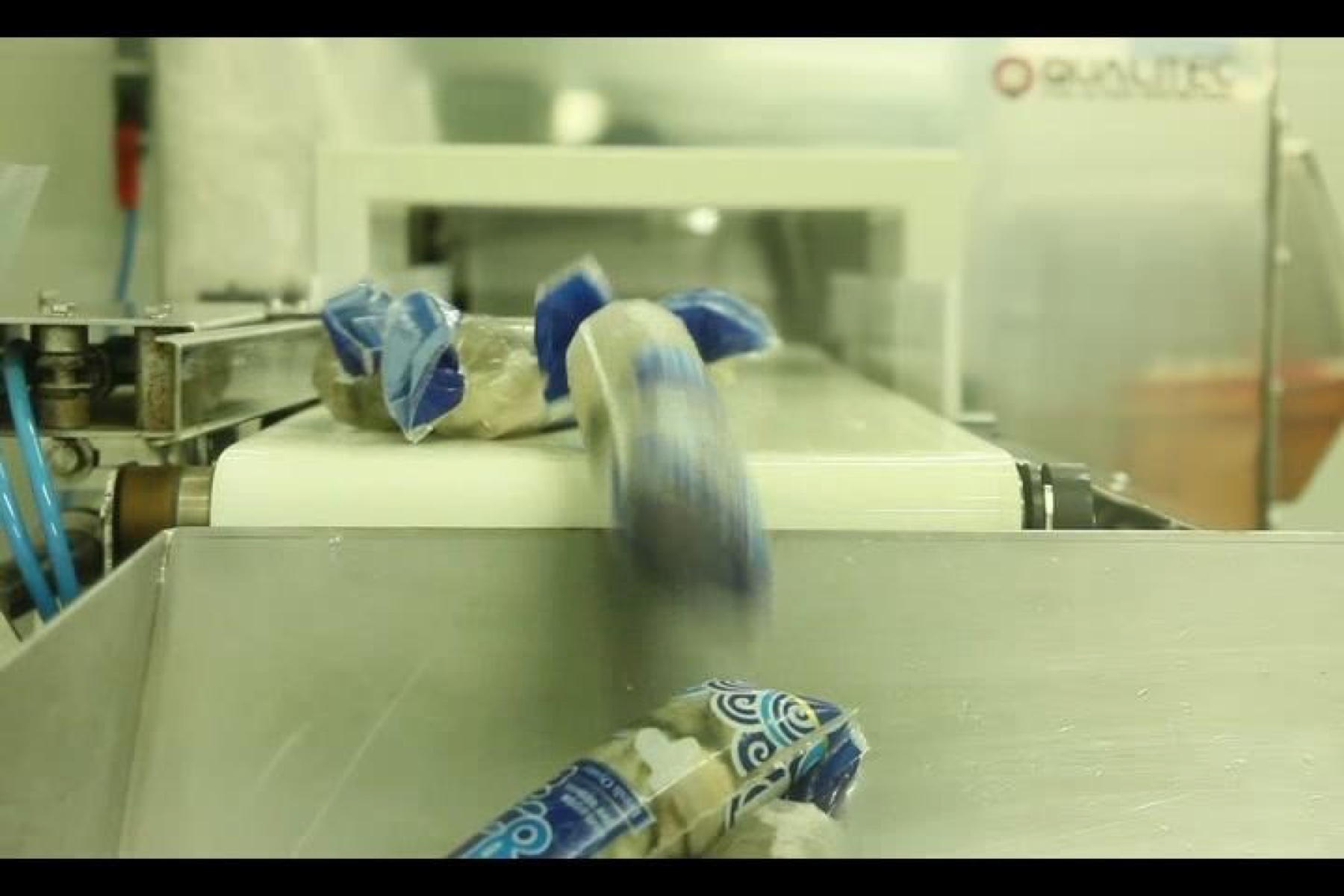
Sealed small packs on an oyster packing line.
Photo supplied by Samsam Mulsan
What should go into a sample request?
Once you have chosen the product format, use the same brief for each supplier so that samples and quotations can be compared on the same basis:
-
destination country and intended channel;
-
species, origin and required harvest records;
-
legal processor and exporter names;
-
shell form, raw or cooked status and intended use;
-
IQF or block freezing, glaze target and net-weight basis;
-
count or weight grade with tolerances and test method;
-
inner pack, case, lot coding and cold-chain requirements;
-
documents required before sample approval.
Alongside the product details, confirm the legal entity you would contract with. The samsam role overview explains how sourcing, processing and export functions differ.
To discuss a Korean oyster order with samsam, share the destination market, product format, required specifications, volume range and purchase timing. These details provide the basis for confirming availability and terms for the requested product.
FAQs
Are all Korean oysters from Tongyeong?
No. FAO describes a wider southern-coast system. Request harvest-area and lot records rather than treating a regional sales name as traceability.
Are Magallana gigas and Crassostrea gigas different species?
They are current and older names for the Pacific cupped oyster.
How can buyers confirm the harvest origin of an order?
Ask the supplier for the harvest-area information and traceability records for the specific lot. A regional product name provides context, while the records identify the origin of the oysters being supplied.
Which dates should a frozen-oyster specification request?
Request harvest, processing and freezing dates, the lot code and storage period.
Does winter harvest guarantee higher yield?
No. Seasonal condition varies; compare lot-specific count and yield under the same test protocol.
Does year-round quotation mean year-round harvest?
No. A frozen offer may refer to an earlier harvest. Verify harvest and freezing dates for the quoted lot.
Does frozen mean cooked?
No. Freezing describes how the product is preserved, while raw or cooked describes its heat treatment. Specify both when comparing products.
Can half-shell, cooked and IQF describe one SKU?
Yes. Half-shell describes the shell form, cooked describes the heat treatment, and IQF describes the freezing method. Glaze, size, pack and intended use complete the product description.
What evidence should accompany a size grade?
Request the grade basis, deglazing point, sample size, tolerance and test result.
What information helps suppliers prepare a quotation or sample?
Provide the destination market, species and harvest-origin requirements, product format, expected volume, purchase timing and required documents. Using the same brief for each supplier makes the responses easier to compare.
Sources
FAO, Pacific cupped oyster – Cultured Aquatic Species Information Programme
FAO, Culture of the Pacific Oyster in the Republic of Korea – Seed Production
FAO, Culture of the Pacific Oyster in the Republic of Korea – Culture
Codex Alimentarius, Code of Practice for the Processing and Handling of Quick Frozen Foods (CXC 8-1976)