Oyster & Seafood Glossary
GLOSSARYTerms that appear on product sheets and purchase orders but are rarely explained anywhere. We keep adding entries.
What is Oyster Spat Collection? The Principle of Young Oysters Attaching to Substrates
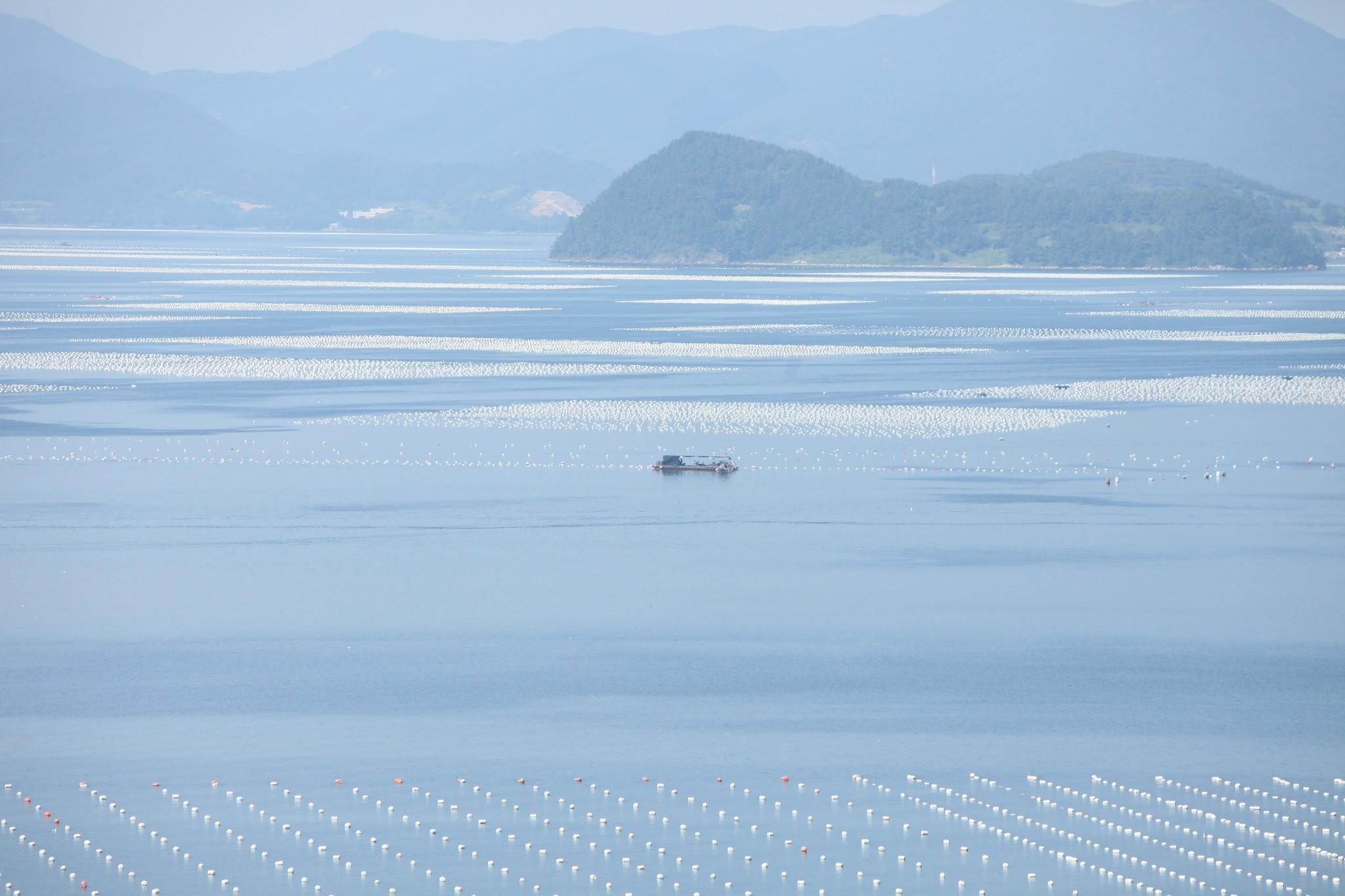
When you visit an oyster farm, you can see scallop shells strung on ropes and suspended in the sea. Oyster larvae floating in the seawater attach to these shells and grow into young oysters. This process of allowing larvae to attach to materials like oyster or scallop shells to secure the young oysters (seed oysters) needed for aquaculture is called ‘spat collection.’ Below, we examine the process of larval attachment, the structure of spat collectors, the differences between natural and artificial spat collection, and the grow-out phase after spat collection.
Inquire about Oyster Raw Material Production History
The Process of Larval Attachment in Oyster Spat Collection
Oyster larvae float and grow in seawater for about 2-3 weeks, depending on water temperature, salinity, and food conditions, before attaching to a hard surface like an oyster shell. They then undergo metamorphosis, transforming into spat (young oysters). However, not all attached larvae develop into spat, so their survival and growth status must be monitored even after attachment.
The Role of Oyster Spat Collectors and Shell Materials
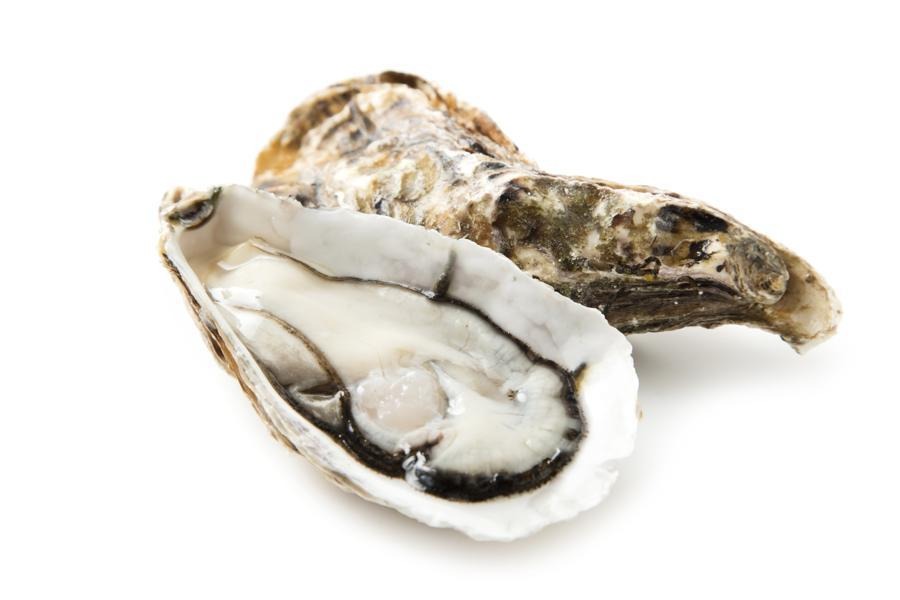
The materials installed for oyster larvae to attach to are called spat collectors. A common example is spat ropes made by stringing oyster or scallop shells (valves). When using scallop shells, short tubes may be inserted to maintain spacing between the shells. Spat collectors must be installed at the appropriate time for larval attachment to secure young oysters.
Check Aquaculture and Spat Collection Related Data
Natural and Artificial Oyster Spat Collection
Securing Larvae in Natural Spat Collection Areas
Natural spat collection is a method of securing seed oysters by allowing oyster larvae that have naturally occurred in the sea to attach to spat collectors. Even within the same sea area, the quantity of seed oysters secured can vary depending on the timing of larval appearance, water temperature, salinity, currents, and the installation location of spat collectors.
Larval Attachment in Hatchery for Artificial Spat Collection
Artificial spat collection is a method of securing seed oysters by allowing oyster larvae cultivated in a hatchery to attach to materials prepared in tanks or other facilities. It differs from natural spat collection in that the maturation and spawning of broodstock oysters, and the growth and attachment processes of larvae, are managed within a facility. The young oysters secured in this way then undergo intermediate rearing or grow-out processes.
Comparison of Oyster Spat Collection Methods
The differences between natural and artificial spat collection are summarized in the table below.
|
Category |
Natural Spat Collection |
Artificial Spat Collection |
|
Larval Source |
Larvae from natural waters |
Larvae cultivated in a hatchery |
|
Attachment Location |
Spat collection materials installed in the sea |
Attachment materials prepared within a facility |
|
Key Management Considerations |
Larval appearance timing, currents, water temperature |
Larval developmental stage, tank environment |
|
After Spat Collection |
Seed oyster management and grow-out |
Seed oyster management and grow-out |
Oyster Spat Collection Timing and Installation Location
While Pacific oysters primarily spawn in the warmer summer months, spat collectors are installed not immediately after spawning, but considering the time when larvae have grown to a stage suitable for attachment. For this, water temperature, larval distribution, and test spat collection results are checked. As environmental conditions vary by sea area, it is difficult to set a uniform spat collection period.
The installation depth of spat collectors is also adjusted according to sea area conditions. This is because oyster larvae are not uniformly distributed in the sea and can be concentrated at specific depths due to currents and tides. The National Institute of Fisheries Science and the Oyster Hanging Culture Fisheries Cooperative established oyster spawning grounds in 2019, considering currents and topographical characteristics, and secured oyster seed in a total of 5 sea areas in Gyeongnam and Busan in 2021. When installing spat collectors, both larval distribution and the marine environment must be considered.
Seed Oyster Management and Grow-out After Oyster Spat Collection
The young oysters secured through spat collection undergo a grow-out phase where they are raised in aquaculture facilities. The same ropes used for spat collection may be utilized for grow-out, or the oysters may be moved to a different location after undergoing a ‘hardening’ process, which involves exposing them to air for a certain period. During this time, while the oysters consume food from the seawater and grow, their survival status and growth rate must be monitored. The timing of transfer and management methods vary depending on the size of the spat and the conditions of the aquaculture facility.
Frequently Asked Questions about Oyster Spat Collection
Is oyster spat collection the process of scattering oyster eggs into the sea?
No. Oyster spat collection is not about scattering eggs into the sea, but rather the process of securing young oysters (seed oysters) by allowing grown oyster larvae to attach to materials such as shells.
Can other organisms besides oyster larvae attach to oyster spat collectors?
Yes. Spat collectors can attract not only oyster larvae but also other sessile organisms like barnacles. If spat collectors are installed too early, other organisms may attach first, reducing the space available for oyster larvae, so appropriate installation timing must be considered.
Are all oysters secured through natural spat collection considered wild?
No. Natural spat collection is a method of securing oyster larvae that have naturally occurred in the sea. However, even if seed oysters are secured this way, if they are subsequently raised in aquaculture facilities, they are classified as farmed oysters, not wild.
Must all collected young oysters undergo a hardening process?
No. While collected young oysters sometimes undergo a hardening process involving exposure to air for a certain period, in other cases, the ropes used for spat collection are directly used for grow-out, or they are moved to other grow-out facilities. Whether hardening is performed depends on the aquaculture method and the condition of the spat.
Are spat collection and grow-out the same process?
No. Spat collection is the stage of securing seed oysters by allowing oyster larvae to attach, while grow-out is the stage of raising the secured seed oysters to a marketable size. Spat collection does not mean immediate harvesting.