Oyster & Seafood Glossary
GLOSSARYTerms that appear on product sheets and purchase orders but are rarely explained anywhere. We keep adding entries.
Causes and Symptoms of Shellfish Toxins, and Limitations of Heating and Freezing
If mussels or oysters are thoroughly cooked, will shellfish toxins disappear? No, they will not. Shellfish toxins are not removed by typical heating or freezing. When harvesting directly, you must check recent test results and harvesting prohibition notices for the relevant area. When purchasing products, you must verify the labeling and safety information.
Inquire About Inspection and Traceability Data for Distributed Oysters
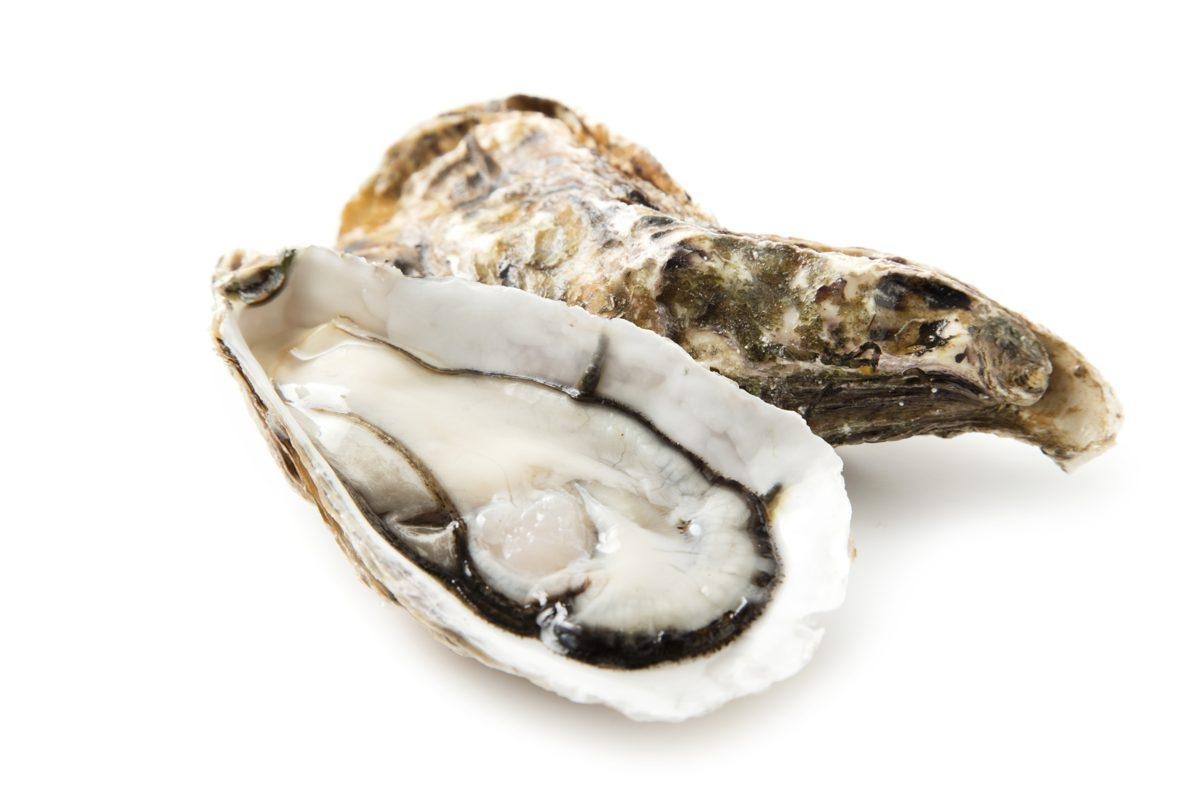 How Shellfish Toxins Occur
Shellfish toxins are a food safety issue that arises when toxins produced by certain toxic plankton in the sea accumulate in mussels, oysters, clams, scallops, and other shellfish. They can also accumulate in tunicates such as sea squirts and sea pineapple. However, not all shellfish contain toxins. Detection depends on the harvesting area, season, and species.
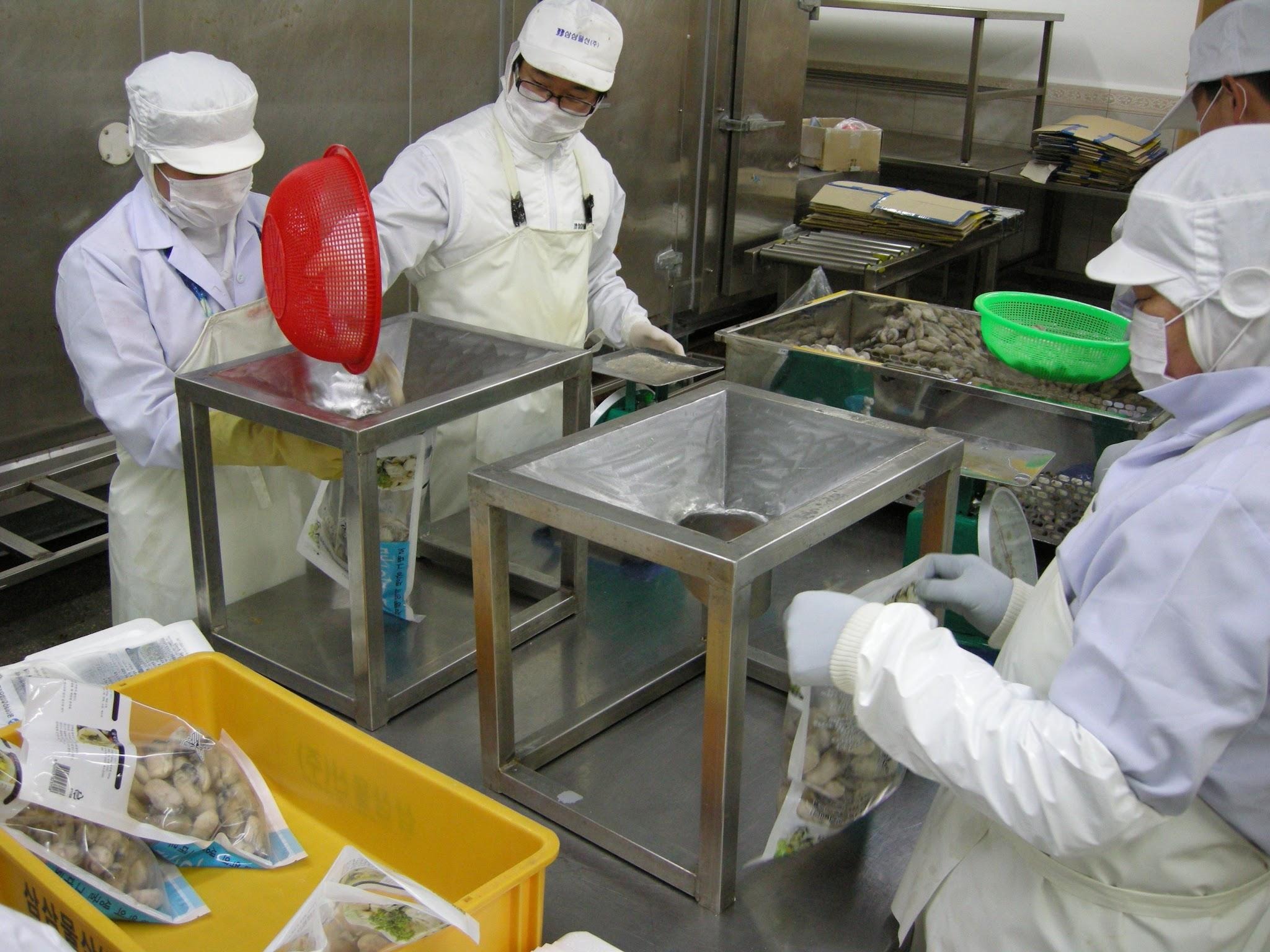 Toxic Plankton and Accumulation in Shellfish Bodies
Shellfish filter seawater to feed. If they consume toxin-producing plankton during this process, toxins can accumulate in their bodies. The cause of shellfish toxins differs from food poisoning caused by bacteria or norovirus. Toxins cannot be identified by the shellfish’s color, smell, or taste alone.
Types of Shellfish Toxins and Main Symptoms
Shellfish toxins are broadly categorized into paralytic, diarrhetic, and amnesic types. Depending on the type, symptoms may include numbness and paralysis around the mouth, diarrhea and abdominal pain, or memory impairment. The type and severity of symptoms vary depending on the toxin consumed and the amount.
Comparison of Paralytic, Diarrhetic, and Amnesic Shellfish Toxins
|
Category |
Key Symptoms |
|
|
Paralytic |
Numbness/paralysis around mouth, respiratory distress |
0.8 mg/kg or less |
|
Diarrhetic (Bivalves) |
Diarrhea, abdominal pain |
0.16 mg OA equivalent/kg or less |
|
Amnesic |
Neurological symptoms such as memory impairment |
20 mg/kg or less |
If you experience numbness or paralysis in your lips or face after eating shellfish, stop consumption immediately and seek medical attention. If breathing becomes difficult or paralysis worsens, call 911 (or 119 in Korea) immediately. Do not self-diagnose the type of toxin based on symptoms alone.
Difference Between Shellfish Toxins and Bacterial Contamination
While bacterial risks, such as those from Vibrio, can be reduced by proper heating, toxins accumulated in shellfish cannot be eliminated by typical cooking, refrigeration, or freezing. Labels like ‘boiled’ or ‘frozen’ indicate processing methods and do not certify that the product is free from shellfish toxins. While depuration or washing can remove sand and foreign matter, they cannot eliminate shellfish toxins.
Shellfish Toxin Occurrence Period and Harvesting Restrictions
In Korea, caution regarding shellfish toxin outbreaks is primarily advised during spring. However, the timing and affected areas vary each year. The 2026 survey plan includes year-round surveys and an increase in survey frequency from once to twice a month for 10 points in Busan and Gyeongnam during January and February. It is not safe to harvest indiscriminately just because spring has passed.
If toxins exceeding permissible limits are detected in sea area inspections, a harvesting ban may be imposed. Do not assume that oysters from other areas are safe based solely on mussel inspection results from nearby waters. Always check the latest announcements to confirm if a harvesting ban has been lifted.
Verify Safety Management Documents by Product
Checking Shellfish Toxin Inspection Information and Distributed Products
Check the National Institute of Fisheries Science Shellfish Toxin Bulletin for survey dates, areas, species, and whether detection or exceedance of standards occurred. Before actual harvesting, you must also confirm guidance from the relevant local government. The absence of your intended harvesting location in the bulletin does not guarantee safety.
When purchasing products, verify the producer/seller, storage methods, and consumption instructions. Information on non-compliant or recalled distributed products can be checked on Food Safety Korea. Restaurants and distributors should maintain records of suppliers and incoming goods to easily identify raw materials if issues arise.
Frequently Asked Questions About Shellfish Toxins
If the area I plan to harvest from is not in the bulletin, is it safe?
No. If a location is not listed in the survey results, you must inquire with the relevant local government about the possibility of harvesting from that area and for that species. If it has not been confirmed, it is safest not to harvest.
Is it okay to discard the broth and eat only the meat?
No. Shellfish suspected of containing toxins or from prohibited harvesting areas should not be consumed. Discarding the broth or removing part of the meat does not make them safe.
Should I check production information for frozen oysters purchased in winter?
Yes. Even for frozen oysters sold in winter, the raw materials may have been harvested at a different time. You must verify the product’s labeling and production/distribution information.
Inquire About Verification Documents Before Oyster Delivery
References
Ministry of Food and Drug Safety, Caution for Shellfish and Tunicate Toxins in Spring
Ministry of Oceans and Fisheries, Shellfish Toxin Safety Survey Promotion Plan (2026)
National Institute of Fisheries Science Shellfish Toxin Occurrence Information