Oyster & Seafood Glossary
GLOSSARYTerms that appear on product sheets and purchase orders but are rarely explained anywhere. We keep adding entries.
Oysters in ‘R-less’ Months: Is the Prohibition from May to August Valid?
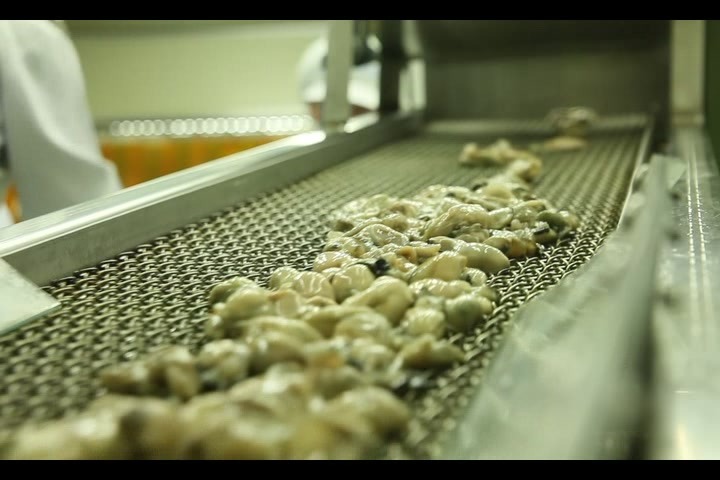
The saying, ‘Do not eat oysters in R-less months,’ is an old folk belief advising against oyster consumption from May to August. Originating in times when refrigeration was rare, today, it is imperative to first check the product labels for ‘raw consumption’ or ‘for cooking/heating’ rather than considering the month of consumption.
Inquire about the intended use of currently handled oysters
Oysters in ‘R-less’ Months: The Background of the Folk Belief
The ‘R month rule’ is an empirical rule passed down in English-speaking regions, meaning oysters should only be eaten in months whose names contain the letter ‘R’. May, June, July, and August do not have an ‘R’, while the remaining eight months all include an ‘R’.
The background for this folk belief includes the fact that oysters spoiled easily in warmer temperatures during times when refrigeration facilities were uncommon, and that oysters spawn as water temperatures rise, leading to leaner meat and reduced quality. However, the exact period and region where this saying first emerged have not been clearly confirmed.
Distinction Between R-Months and R-less Months
|
Category |
English Month Name |
R Inclusion |
Meaning in Folk Belief |
|
May-August |
May, June, July, August |
None |
Months to Avoid Oysters |
|
September-April |
September, October, November, December, January, February, March, April |
Present |
Months to Eat Oysters |
This distinction is based solely on the spelling of English month names and does not serve as a criterion for determining oyster safety.
Inquire about Frozen Oyster Product Labeling and Storage Conditions
Oysters in ‘R-less’ Months: Why Vibrio Bacteria Require More Caution in Summer
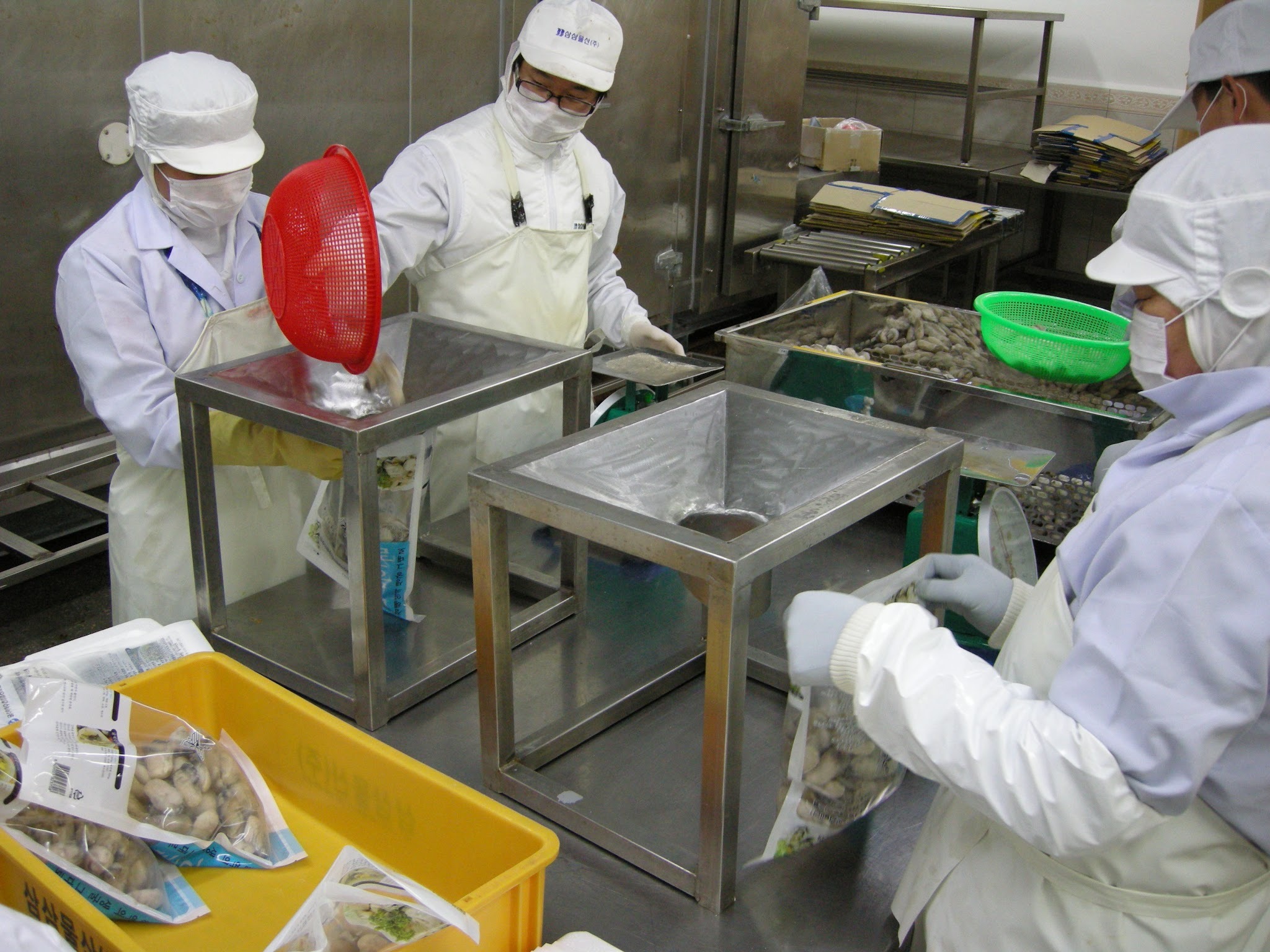
Oysters filter seawater for food, which can lead to the accumulation of Vibrio bacteria present in the marine environment within their bodies, and Vibrio infections resulting from consuming such oysters raw occur more frequently in warmer months.
However, Vibrio infections are reported year-round, so avoiding only the ‘R-less’ months of May through August does not guarantee safe oyster consumption.
Oysters in ‘R-less’ Months: Why Modern Practices Cannot Rely Solely on Season
While refrigerated and frozen distribution are now common, freezing does not eliminate all harmful microorganisms. Even for frozen oysters, it is essential to confirm whether they are intended for raw consumption or for cooking/heating.
Norovirus also requires caution during winter. Norovirus infections from food are primarily caused by uncooked shellfish, including raw oysters, so products must be prepared according to their indicated use.
Oysters designated for cooking/heating should not be eaten raw; they must be heated to an internal temperature of 85℃ (185°F) or higher for at least one minute.
Individuals with underlying conditions such as liver disease must be particularly cautious about Vibrio infection, and it is advisable to avoid raw or undercooked oysters.
Oysters in ‘R-less’ Months: Today, Product Labeling is the Standard
To safely consume oysters, it is advisable to prioritize checking the product label rather than considering the month of consumption. The packaging specifies whether the product is for raw consumption or for cooking/heating, and how it should be stored and prepared.
Oysters in ‘R-less’ Months: Frequently Asked Questions
Should oysters be avoided during ‘R-less’ months?
No. Oysters can be consumed even during ‘R-less’ months. They should be eaten according to the intended use indicated on the product label.
Do all ‘R-less’ months correspond to the oyster spawning season?
Not necessarily. Bivalves like oysters generally spawn from late spring to mid-summer when water temperatures rise. However, spawning periods vary depending on the water temperature of the specific sea area and do not precisely align with the four ‘R-less’ months.
Are oysters that appear fresh safe to eat raw?
This cannot be affirmed. Oysters containing Vibrio bacteria may not differ in appearance, smell, or taste. Neither lemon juice nor spicy sauces will kill Vibrio bacteria.
Is the ‘R month rule’ an official food safety regulation?
No. The ‘R month rule’ is a folk belief derived from experiences during times when refrigeration facilities were scarce and is not associated with food safety agencies.
Consultation by Oyster Supply Type
References
NOAA Fisheries, Fun Facts About Intriguing Invertebrates
CDC, Vibrio and Oysters
CDC, Preventing Vibrio Infection
Ministry of Food and Drug Safety, Yeollinmaru January 2025 Cooking Guide
FDA, Selecting and Serving Fresh and Frozen Seafood Safely
Ministry of Food and Drug Safety · Policy Briefing, Winter Norovirus and Guide to Oysters for Cooking/Heating